
Hank Williams jr – Whiskey Bent And Hell Bound
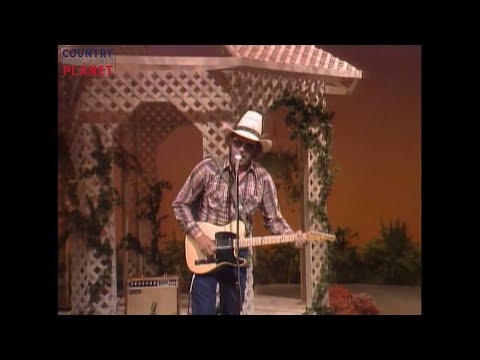
Hank Williams Jr. – Whiskey Bent And Hell Bound When it comes to outlaw country, few names resonate with the raw, unapologetic attitude quite like Hank Williams Jr.. His track “Whiskey Bent And Hell Bound” is not just a song—it’s an anthem for those who live life with a wild streak and a bottle in hand. Released in 1979, this track has stood the test of time as a bold declaration of the honky-tonk lifestyle. Hank Jr. doesn’t just sing about rebellion; he lives it, and “Whiskey Bent And Hell Bound” is the embodiment of that reckless abandon that both inspires and warns. From the first twang of the guitar, “Whiskey Bent And Hell Bound” pulls you into a world where the neon lights of a country bar reflect the turbulent life of a man unafraid to face his demons head-on. It’s a world where the whiskey flows as freely as the stories of heartache and hard living. Hank Williams Jr. doesn’t sugarcoat anything—his gritty voice and the song’s driving beat make you feel every ounce of the pain and pleasure that comes with living on the edge. The lyrics paint a vivid picture of a man caught between the allure of whiskey and the pull of love gone wrong. It’s a tale as old as time itself, yet Hank Jr. delivers it with a fresh intensity that makes you sit up and take notice. “Whiskey Bent And Hell Bound” is more than just music; it’s an experience, a journey through the highs and lows that define the outlaw spirit. It’s no wonder that Hank Williams Jr. has become a symbol of defiance in country music. With “Whiskey Bent And Hell Bound,” he captures the essence of rebellion not just through his lyrics, but through the sheer power of his performance. This song is a testament to his ability to connect with those who walk the fine line between self-destruction and survival. Final Verdict: “Whiskey Bent And Hell Bound” is a powerhouse of a song that perfectly encapsulates the outlaw country spirit. If you’re looking for music that speaks to the rebel in your soul, look no further than Hank Williams Jr.’s timeless anthem. This track is not just a song—it’s a way of life for those who dare to live on their own terms. Listen to it, feel it, and embrace the wild ride.
Steve Earle & The Dukes – Nowhere Road
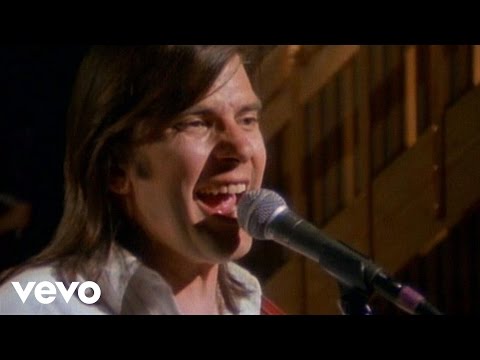
Steve Earle & The Dukes – Nowhere Road When you embark on a journey down the “Nowhere Road,” you’re not just listening to a song by Steve Earle & The Dukes; you’re stepping into a world crafted with grit, determination, and a hint of rebellion. Steve Earle, with his raspy voice and raw storytelling, is a stalwart figure in outlaw country music, and “Nowhere Road” is a testament to his mastery of the genre. It’s a song that captures the essence of the open road and the freedom it represents, making it a quintessential anthem for those who live life on their own terms. Steve Earle & The Dukes bring an undeniable energy to “Nowhere Road” that resonates with anyone who’s ever felt the call of the road less traveled. The track is an exhilarating blend of country and rock, a bold statement of independence and defiance. Earle’s lyrics paint a vivid picture of living life without boundaries, perfectly complemented by The Dukes’ masterful instrumentation. Each guitar riff and drum beat is a reminder that sometimes the best journeys are those taken without a destination in mind. There’s something timeless about “Nowhere Road” that makes it a standout in Steve Earle & The Dukes’ repertoire. Perhaps it’s the way Earle’s storytelling bridges the gap between the rebellious spirit of the outlaw country movement and the universality of the human experience. This track doesn’t just speak to a time or a place; it speaks to a way of life. It’s about the pursuit of freedom, the embrace of uncertainty, and the joy found in simply getting lost along the way. The magic of “Nowhere Road” lies not only in its lyrics but also in the chemistry between Steve Earle & The Dukes. Their synergy is palpable, creating a sound that is both raw and polished, a perfect echo of the song’s theme. It’s a harmony that captivates the listener, pulling them into a narrative that feels both personal and universal. The track’s driving rhythm and catchy melodies make it a staple for anyone with a love for authentic, boundary-pushing music. Final Verdict In “Nowhere Road,” Steve Earle & The Dukes deliver a powerful anthem that stands the test of time. It’s a song that speaks to the heart of what it means to be an outlaw not just in the music world but in life itself. The track’s enduring appeal lies in its ability to resonate with anyone yearning for freedom and adventure. So, if you haven’t yet traveled down that “Nowhere Road,” now is the time to hit play and see where Steve Earle & The Dukes take you.
Kris Kristofferson – “Sunday Mornin’ Comin’ Down” [Live from Austin, TX]
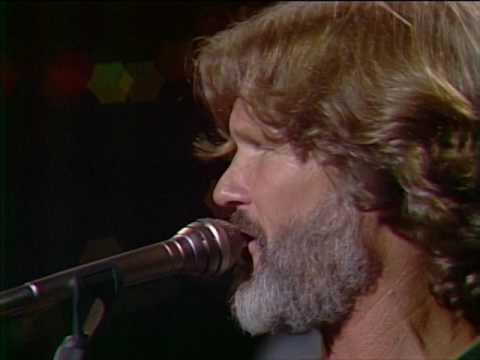
There are songs, and then there are songs—those rare anthems that resonate deeply with the soul, echoing the human experience in ways that are both poignant and profound. Kris Kristofferson’s “Sunday Mornin’ Comin’ Down” is one such masterpiece. Recorded live from the heart of Texas, in the vibrant musical hub of Austin, this legendary performance captures the raw, unfiltered essence of Kristofferson’s songwriting genius. With each strum of the guitar, every word sung with heartfelt conviction, Kristofferson takes his audience on a reflective journey through the haunting silence of a Sunday morning, the kind that cuts through the noise of modern life with startling clarity. From the very first note, Kris Kristofferson’s performance of “Sunday Mornin’ Comin’ Down” is a testament to the power of live music. There’s a kind of magic that happens on stage, especially when it’s in a place as iconic as Austin, TX. Kristofferson, with his gravelly voice and commanding presence, delivers the song with a sincerity that is both humbling and inspiring. The live version adds an extra layer of authenticity, as if each lyric is being penned in real-time, directly from the heart. “Sunday Mornin’ Comin’ Down” has long been heralded as a defining track in Kristofferson’s illustrious career. Its narrative of introspection and yearning is universally relatable, capturing the essence of what it means to seek meaning in the mundane. As Kristofferson sings of waking up on a Sunday, feeling the weight of the world pressing down, listeners are reminded of their own moments of quiet contemplation. It’s in these moments that Kristofferson’s songwriting truly shines, painting vivid images that linger long after the final chord fades. The Austin City Limits stage, known for hosting an array of legendary artists, provides the perfect backdrop for Kristofferson’s evocative performance. There’s an undeniable synergy between the setting and the song, enhancing the overall experience and drawing the audience into Kristofferson’s world. It’s a performance that not only showcases his talents as a musician but also solidifies his place as a storyteller of the highest caliber. Final Verdict In a world saturated with music, Kris Kristofferson’s “Sunday Mornin’ Comin’ Down” stands out as a beacon of authenticity and artistry. This live rendition, captured in the heart of Austin, TX, is nothing short of transcendent. For fans of outlaw country and those who appreciate the art of storytelling through song, this performance is a must-watch. It’s not just a song—it’s a piece of musical history that continues to resonate with listeners, proving that true artistry is timeless.
Johnny Cash – “Folsom Prison Blues” (Live at Folsom State Prison, January 13, 1968)
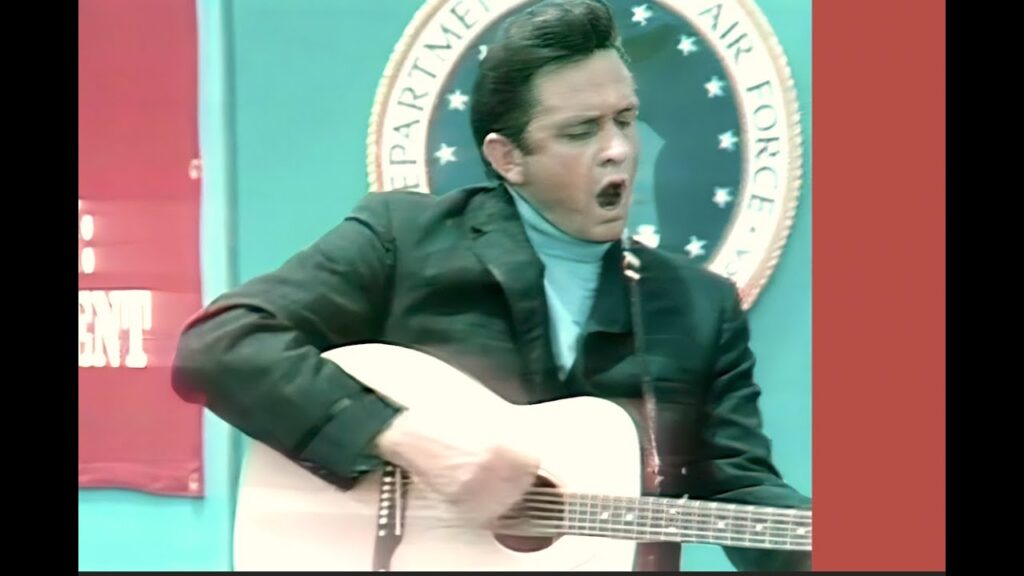
Johnny Cash rewrote country history with **“Folsom Prison Blues”** live at Folsom Prison in 1968. This isn’t just a performance—it’s a manifesto from the man in black, recorded where it mattered[5][6]. That snare drum opening, that snap of Cash’s voice—it’s a bullet fired through the heart of conformity. “But I shot a man in Reno…”—never sounded more defiant. You feel the tension—every inmate listening, every guard silent. The audio’s sharp enough to hear footsteps on the yard, the camera’s grainy but alive—you’re there. This moment changed country music. Final Verdict: “Folsom Prison Blues” at Folsom Prison is the core of outlaw ethos—pain, place, truth, and defiance—all rolled into legendary live performance. Still hits harder than ever. Sources: YouTube – Johnny Cash “Folsom Prison Blues” Live at Folsom Prison 1968 — raw prison audio/video. Wikipedia – At Folsom Prison album info; documented recording date Jan 13, 1968; Wikipedia – Song history, live impact, and Cash’s Grammy win for live performance.
Matt Schuster – “Let You Down”
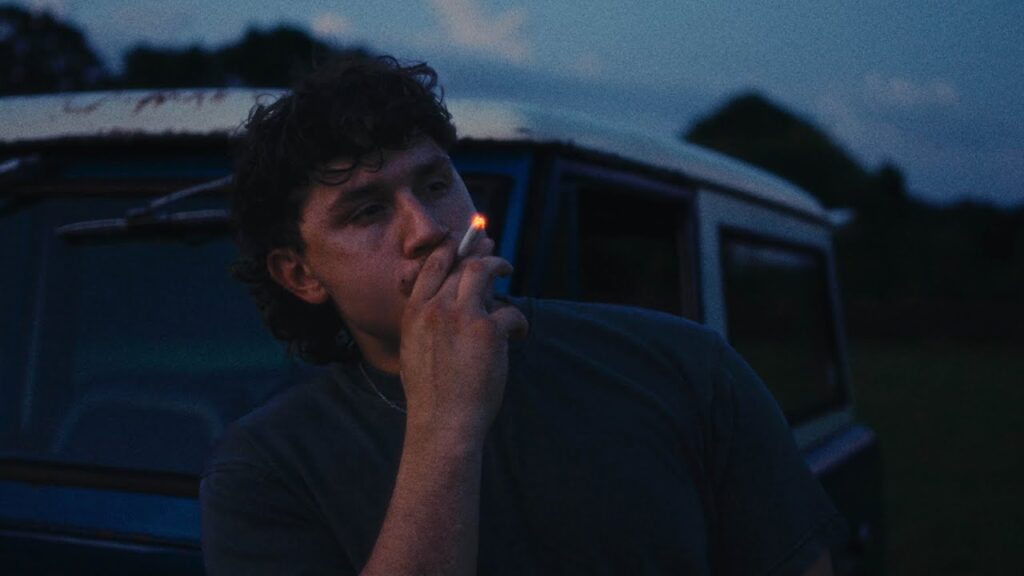
Matt Schuster drops a candid confession with **“Let You Down,”** released July 11 via Warner Music Nashville — a stripped-down country-rock plea that hits home like a late-night apology[1]. The track opens with warm acoustic guitar and Schuster’s earnest vocals — honest, raw, and unguarded. He stares down the regret: “I know I let you down, but I’m gonna make it right…” It’s not manufactured heartbreak—it’s a man owning his mistakes. The visualizer keeps it intimate: no flashy effects, just lyrics overlayed on subtle background visuals, letting the emotion breathe. Audio is crisp and focused, the visuals gentle—a quiet spotlight on a powerful message. Schuster, who hails from small-town Illinois and has notched over 140 million streams, proves again he’s not chasing trends—he’s chasing truth. The backing from Warner and the polished production underscore his rising country-rock pedigree[2][3]. Final Verdict: “Let You Down” is redemption in three minutes. Matt Schuster’s voice is soulful, sincere, and ready to stand behind every line. If this is where his journey heads, listeners should buckle in—because he’s going somewhere real. Sources: Pro Studio Masters / Muso track credits — release date (Jul 11, 2025), duration, Warner Music Nashville context. Matt Schuster official site — song available now, label confirmation. YouTube – “Let You Down” visualizer — video details, audio quality, stylistic tone.
Waylon Jennings – “I’m a Ramblin’ Man” (Live from Austin City Limits, April 1, 1989)
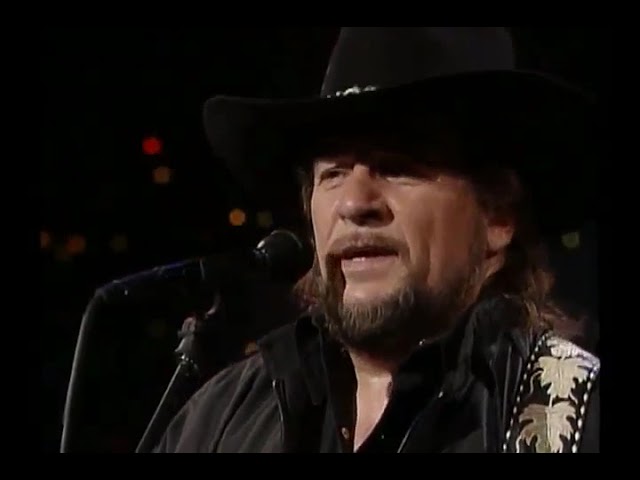
Waylon Jennings owns the ACL stage with **“I’m a Ramblin’ Man,”** captured live on April 1, 1989. This cut is outlaw spirit in action—electric, unapologetic, and dripping with swagger[1][2]. From the first snarl of that guitar, Waylon owns the stage. His voice carries grit, miles, and defiance. No overly polished radio gloss—just raw outlaw confidence. The band’s rhythm is a rolling thunder, carrying every lyric like a train hitting midnight. The footage’s crystal clear: light bouncing off rhinestones, Waylon’s jacket glinting, audience leaning in. You can feel the sweat, the energy, the reckless freedom of it all. Final Verdict: This isn’t nostalgia—it’s a declaration. Waylon’s deliverance of “I’m a Ramblin’ Man” on ACL still roars today like a primal howl for artistic ownership. Sources: YouTube – Waylon Jennings “I’m a Ramblin’ Man” (Live from Austin City Limits, 1989) — high-quality video/audio. Wikipedia – Live from Austin, TX album info (recorded April 1, 1989).
Willie Nelson – “Always On My Mind” (Live at Farm Aid 2022)
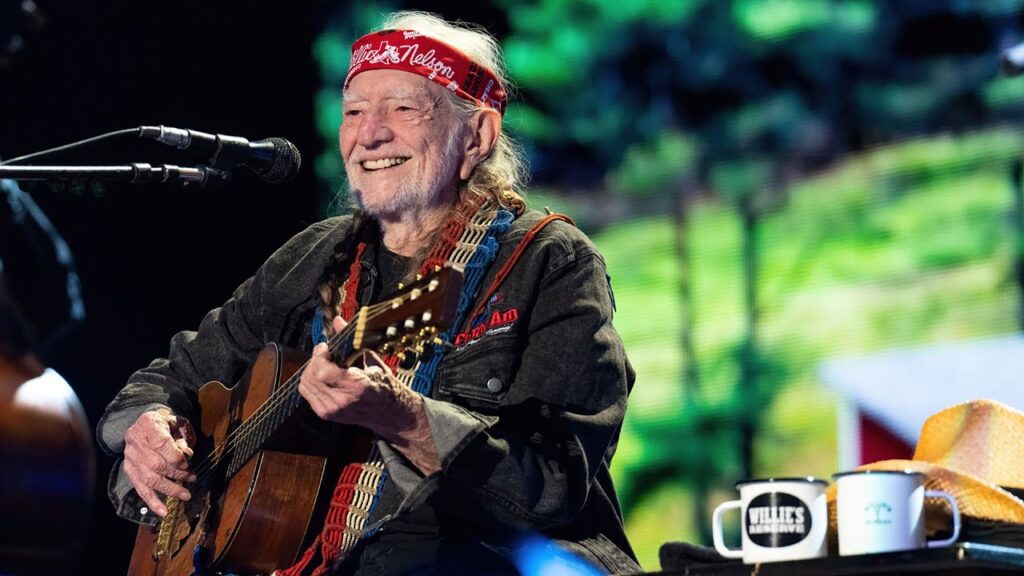
Willie Nelson lays bare the soul with “Always On My Mind,” performed live at Farm Aid 2022 in Raleigh, NC. It’s the kind of performance that stops the clock—voice weathered, guitar “Trigger” shimmering, emotion permanent[3][4]. Nelson’s baritone wraps around every phrase like a wool blanket—vulnerable yet unyielding. He’s not singing, he’s confessing. That chorus—each note a confession of regret and longing. Video quality’s crisp, the crowd hushes between lines, and the camera catches every wrinkle, every flicker in Willie’s eye. This is classic outlaw country in its purest form—intimate and iconic. Final Verdict: Willie doesn’t just remind you he’s “Always On My Mind”—he proves it, lived through a lifetime of notes. This Farm Aid moment is a masterclass in emotion over spectacle. Sources: YouTube – Willie Nelson “Always On My Mind” Live at Farm Aid 2022 — clean audio/video from a major event. Farm Aid 2022 playlist confirmation — full performance context. Wikipedia – “Always On My Mind” song history and chart impact.
Steve Earle – “Copperhead Road”
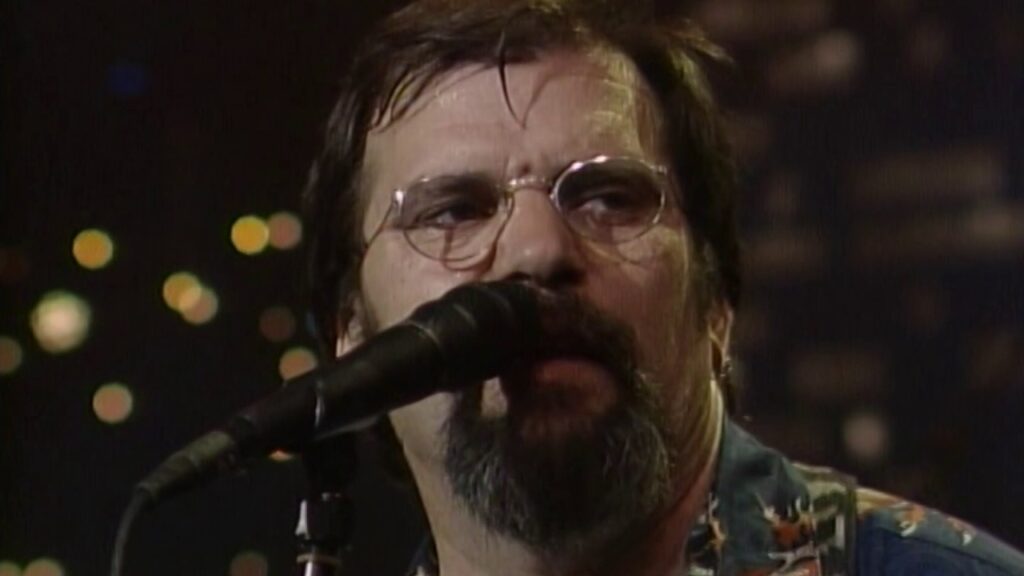
Steve Earle rips into the outlaw legacy with “Copperhead Road,” performed live on *Austin City Limits* in November 1989—an electrifying moment that fuses country grit with rock fury[1]. From the first stomp of drums and snarling guitar, you know this isn’t nostalgia—it’s power. Earle’s voice, seasoned and steady, launches a tale that starts with moonshine and ends in a warzone, all backed by a foot-stomping beat that threatens to blow the roof off. Lyrically, it’s hard-core outlaw mythos: a Vietnam vet turned moonshine maker turned pot grower. Each verse steps heavier into his family’s backwoods legacy and the stakes climb until the DEA shows up. It’s cinematic country with a hard edge. This live ACL version isn’t polished—it’s alive. You can almost smell the stage lights, feel the crowd’s heartbeat, hear the grit in every strum. The solos burn; the band pushes hard, and Earle rides it like a man who bled on these same streets. Final Verdict: “Copperhead Road” live on *Austin City Limits* is a barn-burner. Steve Earle doesn’t just perform—he commands. It’s outlaw country on fire, and it still scorches the right kind of heat, decades later. Sources: YouTube – Steve Earle “Copperhead Road” live from Austin City Limits (Nov 1989) — clean video/audio, full-band live energy. Wikipedia – “Copperhead Road” song release history, outlaw-country classic context.
Waylon Jennings – “Are You Sure Hank Done It This Way”
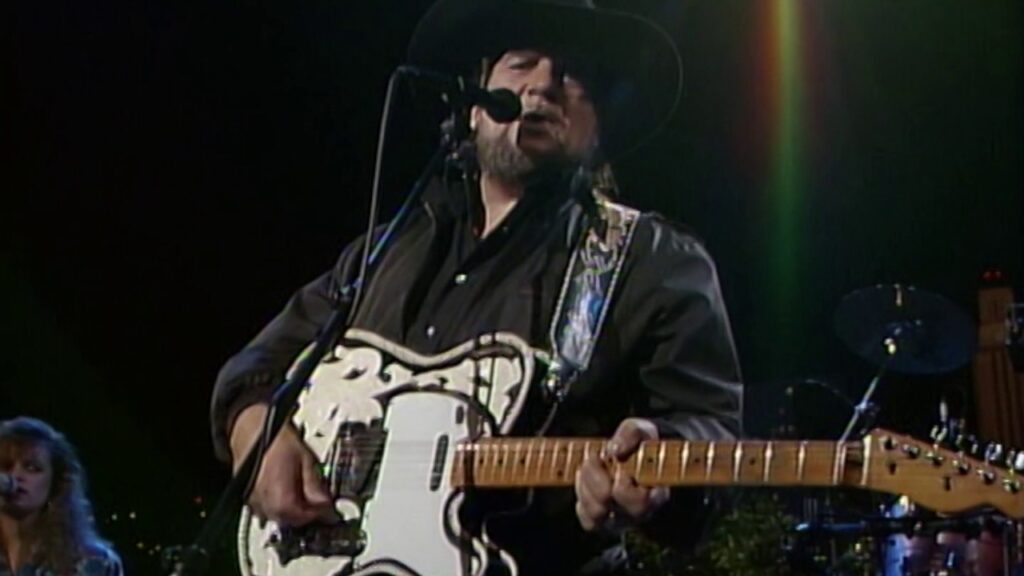
Waylon Jennings goes full rebel on the Austin City Limits stage with **“Are You Sure Hank Done It This Way”**, recorded live April 1, 1989—an electrifying reminder of outlaw country’s thunderous edge[1]. From the first guitar chord, it’s a declaration: fists in the air, amps cranked, band locked in. Waylon’s voice—raspy, world-worn, defiant—asks the question no one dared to ask: > “Are you sure Hank done it this way?” That voice cuts deeper on stage. He isn’t paying tribute—he’s calling out. The glossy rhinestones, the Nashville formula, the radio-friendly facade? Waylon’s incendiary delivery rips them wide open. The band backs him up with swagger: tight drums, snarling electric guitar, and enough pedal steel to stir dust. This isn’t nostalgia—it’s reckoning. The solos mean business; the groove commands respect. The video—part of the official *Live from Austin, TX* series—is crystal clear. Audience close enough to feel, camera angles that catch every drop of sweat and spark. You’re not watching a legend—you’re *there* with him, feeling every chord. Final Verdict: “Are You Sure Hank Done It This Way” isn’t just performed—it’s lived. In this ACL recording, Waylon owns every syllable and every defiant note. It’s outlaw country’s manifesto in motion, and still sounds like thunder today. Sources: YouTube – Live from Austin City Limits (April 1, 1989) — Clear video, top-quality audio, fully live performance. Wikipedia — Song origin, 1975 single, outlaw-country anthem context. Wikipedia — Recorded date, part of Live from Austin, TX series.
Johnny Rodriguez and the Goat: The True Tale Behind David Allan Coe’s Wild Lyric
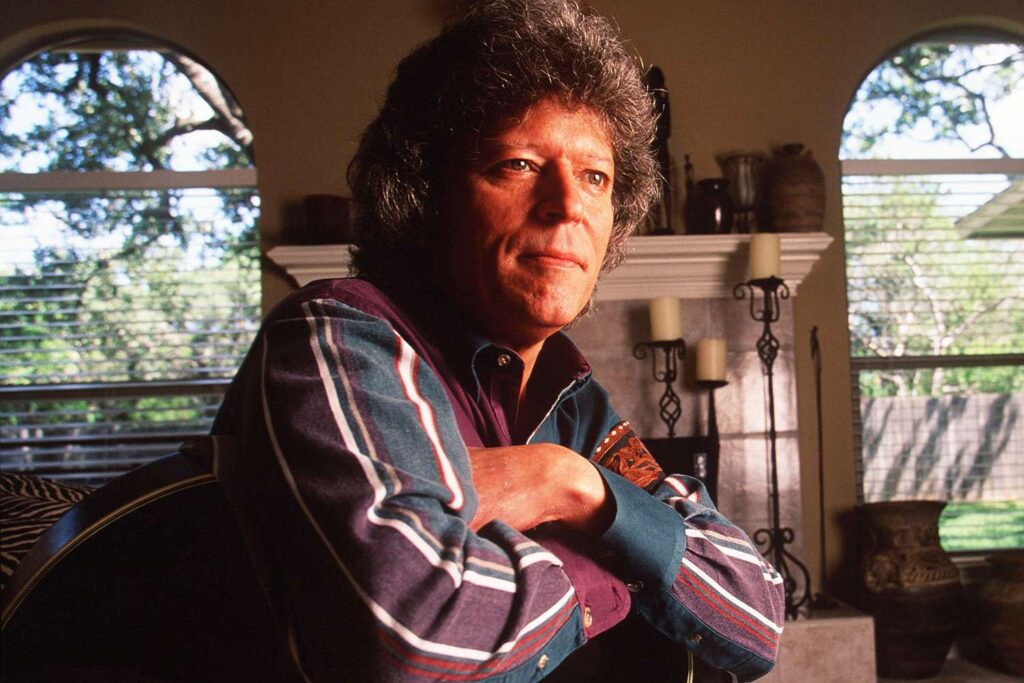
David Allan Coe was never one to shy away from colorful lyrics, but the line from his 1976 classic “Long Haired Redneck” — “Johnny Cash helped me get out of prison, long before Rodriguez stole that goat” — has lived on as one of the strangest and most legendary name-drops in country music. It’s more than a punchline — it’s a half-true, half-mythical nod to the early outlaw spirit of Johnny Rodriguez, a rising star who made as much noise with his voice as he did with his backstory. Who Was Rodriguez? Johnny Rodriguez wasn’t just some name dropped for shock value. By the mid-1970s, he was one of the hottest acts in country music. Born in Sabinal, Texas, Rodriguez had a soulful baritone and a knack for writing honest, aching songs. He was also one of the first Mexican-American artists to break into Nashville’s mainstream, with a string of hits including “You Always Come Back (To Hurting Me)” and the timeless “Ridin’ My Thumb to Mexico.” But what really set him apart — and earned him that immortal mention in Coe’s song — was the infamous goat incident. The Goat Story: Fact and Fiction Here’s how the story goes: at just 18 years old, Johnny Rodriguez was arrested in his hometown of Sabinal for allegedly stealing and barbecuing a goat. Whether he actually did it or not is still debated — some say it was a misunderstanding, others swear it was more prank than crime. What’s clear is that his time behind bars turned into an unexpected stroke of luck. The Texas Ranger who arrested him reportedly heard Rodriguez singing in his cell and was impressed enough to introduce him to a promoter running a local wild west show. That connection led to a gig where Rodriguez caught the attention of none other than Tom T. Hall — a legendary singer-songwriter and storyteller in his own right. Hall was blown away and brought Rodriguez to Nashville. There, he wrote songs for Hall and soon found himself fronting Hall’s band. It didn’t take long for Mercury Records to take notice, and by 1972, Rodriguez had cut his first single. Just a year later, he scored his first number one hit. Coe, Cash, and Country Irony So where does David Allan Coe come in? Coe — a former inmate himself — was carving out his own place in outlaw country when he dropped “Long Haired Redneck” in ‘76. The song is part autobiography, part anthem, and part inside joke. When Coe sings about “Johnny Cash helpin’ me get out of prison,” he’s nodding to the Man in Black’s real-life advocacy for prison reform and his work at places like Folsom and San Quentin. But then comes the curveball: “Long before Rodriguez stole that goat.” It’s Coe at his storytelling best — folding a now-legendary industry tale into a gritty outlaw narrative, blurring the line between myth and memory. It’s funny. It’s odd. And it’s real — the kind of wink only true fans would understand. Final Thoughts Johnny Rodriguez went on to become a respected figure in country, but he never quite shook the goat story — probably because he never tried to. Like Coe, he embraced the messiness of life and let his music speak louder than the headlines. That’s what outlaw country was always about. So next time that line hits your ears, know it’s more than a joke — it’s a strange, true-to-life tale of two country rebels, each chasing freedom in their own wild way.