
Grace Potter – “Medicine”
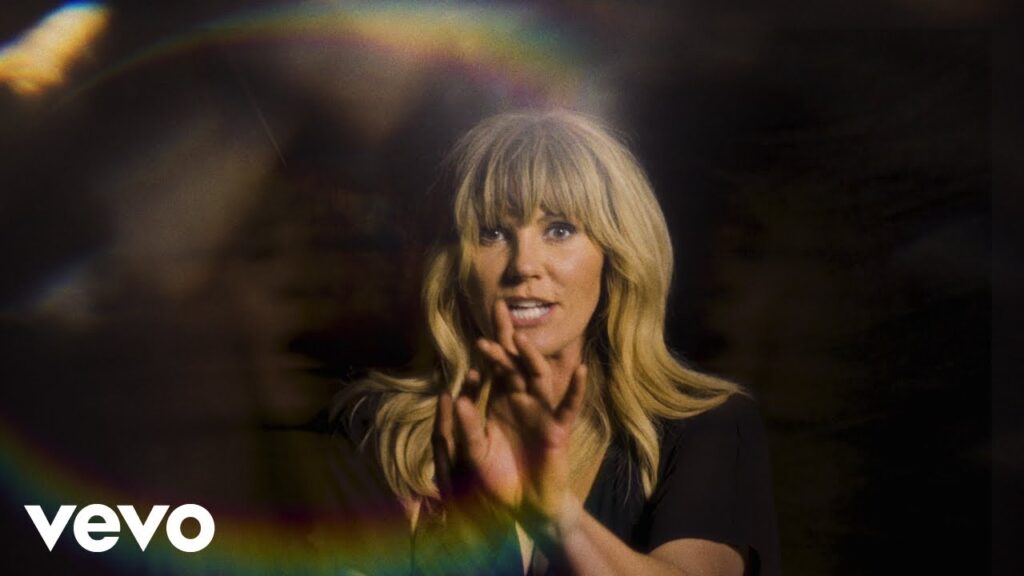
Grace Potter doesn’t just perform “Medicine” — she summons it like a storm. This ain’t country in the traditional sense, but it carries enough outlaw heat to melt every rhinestone in Nashville. With T Bone Burnett behind the wheel and Grace howling like a woman possessed, this is roots rock dipped in gasoline and struck with a match. The song itself is all lust, vengeance, and raw feminine fire. It drips with desire, but it’s not soft. It’s dangerous. The kind of song you’d hear blaring out of a bar jukebox right before someone gets slapped or kissed — maybe both. Live, it’s even more electric. That Kimmel performance? Grace rips across the stage like a preacher caught in a feedback loop. Hair flying, eyes wild, the whole band locked in behind her like a freight train trying to outrun damnation. Her voice doesn’t just hit notes — it tears through them. This song feels outlaw because it refuses to behave. There’s a pulse to it — gritty, seductive, and completely untamed. Grace isn’t asking for power — she’s taking it, one scream at a time.
Tyler Childers – “Oneida”
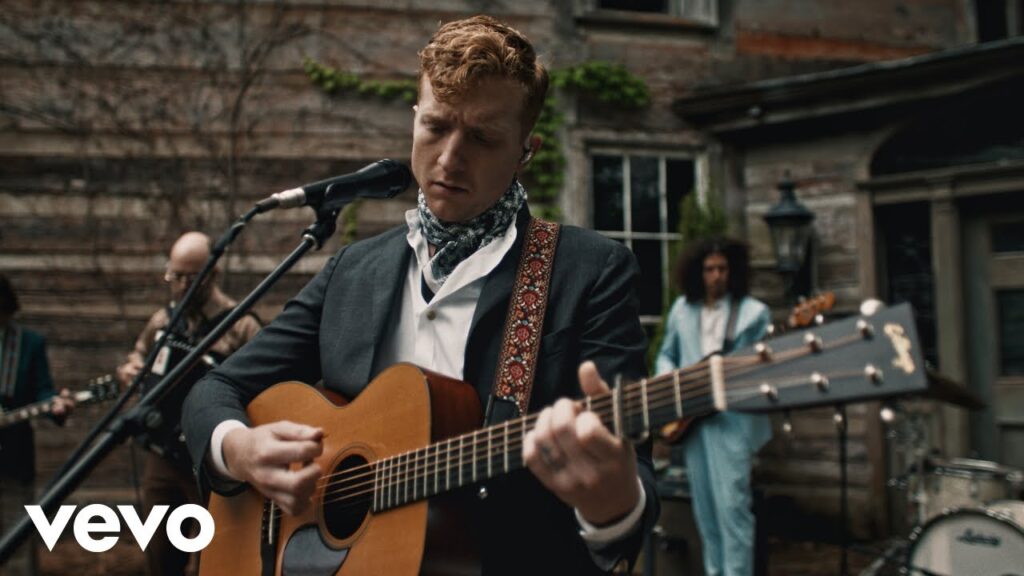
[outlaw_events] Tyler Childers doesn’t just write songs — he writes scripture for the bruised and wandering. And with “Oneida,” he’s gone and carved another chapter into the outlaw gospel. It’s a song that walks barefoot through heartbreak, memory, and longing, wrapped in the same Appalachian soul that’s made him a prophet for the FM-after-midnight crowd. Like our Facebook Page, and share it with your music-loving friends Right out the gate, there’s a tension — a kind of emotional hum — that rides beneath the pluck of guitar and soft thrum of percussion. It’s not loud, but it’s heavy. Like a storm on the edge of the holler. The melody weaves like smoke, drifting through past lives and old regrets, and you get the feeling this song was written in the dark, by candlelight, with a half-empty bottle nearby. “Oneida” tells the story of love lost — or maybe love left behind. It ain’t spelled out clean. That’s the beauty of it. Tyler’s lyrics are laced with place — “Ran that old road through the hills of Oneida” — and every word feels like it’s been soaked in time. It’s part memory, part dream, and all sorrow. But this ain’t some pity parade. This is reverence. A man looking back not with bitterness, but with quiet ache. Childers doesn’t just write about women or whiskey or wide-open roads. He writes about the spaces between them. The silence after the door closes. The way the wind sounds different after she’s gone. What makes “Oneida” so powerful is how simple it is. No big hooks. No flashy solos. Just a man, a melody, and the ghosts he’s learned to live with. And that voice — weary, weathered, real. Tyler could sing the phone book and it’d still make your heart swell. But here, he’s doing what he does best: telling the truth. Musically, it’s understated. The production lets the lyrics breathe. Every note supports the story. The steel guitar curls like cigarette smoke, and the harmonies — subtle but present — feel like they’re echoing from some other room in the house. It’s intimate. It’s honest. This isn’t radio country. This is back-porch confessional. This is what outlaw means when it puts its guard down. Vulnerable. Raw. Human. “Oneida” doesn’t try to impress you. It tries to understand you. And in doing so, it becomes one of those songs you don’t just hear — you carry. Like our Facebook Page, and share it with your music-loving friends
Pokey LaFarge – “End Of My Rope”
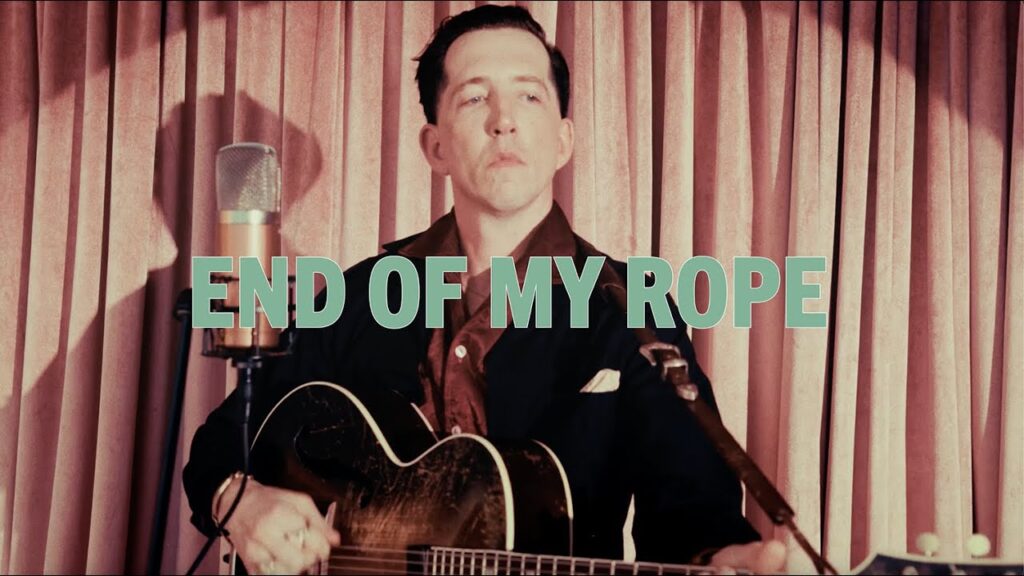
Pokey LaFarge’s “End Of My Rope” isn’t your typical outlaw anthem — it doesn’t kick down the saloon doors or growl through grit. Instead, it croons its desperation through a throwback groove that feels like a haunted swing club at closing time. It’s all charm and unraveling, stitched together with whiskey smiles and trembling hands. The track opens with an off-kilter shuffle — jazzy drums, upright bass, and guitar tones that sound like they were pulled straight from a cracked vinyl record. There’s something old-world about it — not country, not blues, not jazz, but something in between all three. It sways, not struts. And it sets the stage for Pokey’s signature delivery. When he sings “I’m at the end of my rope, and baby, you’re tying the knot,” it’s not a cry — it’s a wink. A broken man with a crooked smile, confessing heartache like he’s performing it for a smoky backroom crowd that’s already half gone. LaFarge leans into his old-time crooner roots, channeling more Roy Orbison or Cab Calloway than Merle Haggard, but the outlaw spirit is undeniable. This song’s about falling apart with flair. The lyrics are pure pain, but the delivery dances. That contrast — sadness set to swing — is what makes “End Of My Rope” hit so hard. It’s a man barely holding it together, but still sharp enough to wear his best suit to the breakdown. And don’t mistake the playfulness for weakness — it takes a real kind of guts to turn despair into melody without losing the weight. That’s outlaw. That’s artistry. Pokey isn’t raging against the world — he’s nodding at it with a resigned smirk, saying, “Well, here we are again.” Musically, it’s sparse but rich. Every instrument has space to breathe. The production feels live, like it was cut in one take with no room for second guesses — just players in sync with a man on the verge. That looseness, that realness, is what makes it stick. “End Of My Rope” is the soundtrack to that moment when the bottom drops out, and instead of screaming… you light a cigarette, pour another drink, and raise a glass to whatever’s coming next. It’s beautiful, it’s sad, and it’s exactly the kind of song the Outlaw Circus was built for — not because it shouts, but because it tells the truth softly, with style.
Buckcherry – “Set It Free”
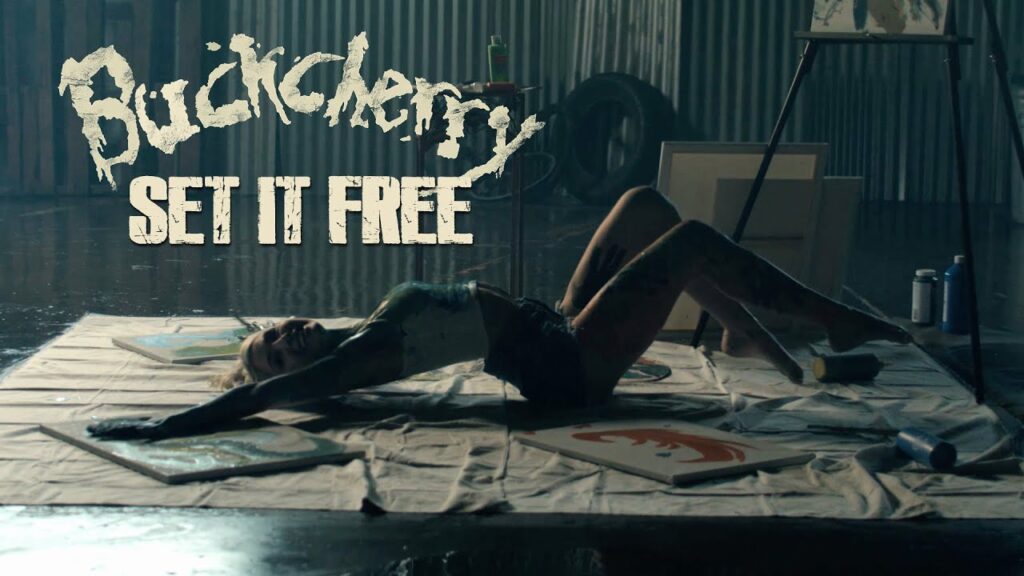
If outlaw music is a slow drag on a cigarette in the rain, then Buckcherry’s “Set It Free” is that first shot of whiskey that punches through your teeth and reminds you you’re still alive. This ain’t subtle. It ain’t clean. And it sure as hell ain’t polite. It’s rock-n-roll revivalism, revved to redline, kicking in the door and flipping the finger to anyone clinging to the past. Right from the jump, “Set It Free” delivers a riff that stomps in like it’s been drinking gasoline. It’s got that filthy, blues-drenched swagger Buckcherry’s built a career on — raw power wrapped in sleaze and sweat. The drums pound with a loose confidence, and the bass growls like a Harley left idling in a dive bar parking lot. Josh Todd’s vocals are a perfect mess — gritty, strained, and human. He ain’t trying to hit notes. He’s trying to hit nerve endings. He howls about breaking chains, getting loose, and burning every last rulebook — and you believe him, because he sounds like he already lit the match. Lyrically, “Set It Free” is less about poetry and more about release. It’s the sound of a man kicking out of his cage and daring the world to stop him. “I ain’t living in your cage no more / I got my demons but I settled the score.” It’s the kind of song you play when you finally tell the job, the ex, or the system to go to hell — and then peel out into the night. What makes this fit into the Outlaw Circus catalog isn’t the genre — it’s the attitude. This is outlaw rock in its purest modern form: loud, flawed, and unrepentant. There’s no fake polish here. Just raw nerve and dirty amplifiers. The production is tight but not sterile — everything’s dialed in to sound alive. The solo in the bridge squeals and snarls like it’s chewing through rusted steel, and the final chorus comes back like a punch you didn’t see coming. “Set It Free” doesn’t want to be your favorite track. It wants to be the one that gets you arrested or saved — depending on what kind of night you’re having. It’s not music for the radio. It’s music for the back alley behind the radio station — blasting from the tape deck of a car nobody ever expected to keep running this long. And yet… here it is. Still roaring. Still breaking free.
Lynyrd Skynyrd Ft. Bo Bice, 3 Doors Down and Hank Williams Jr – “Call Me The Breeze”
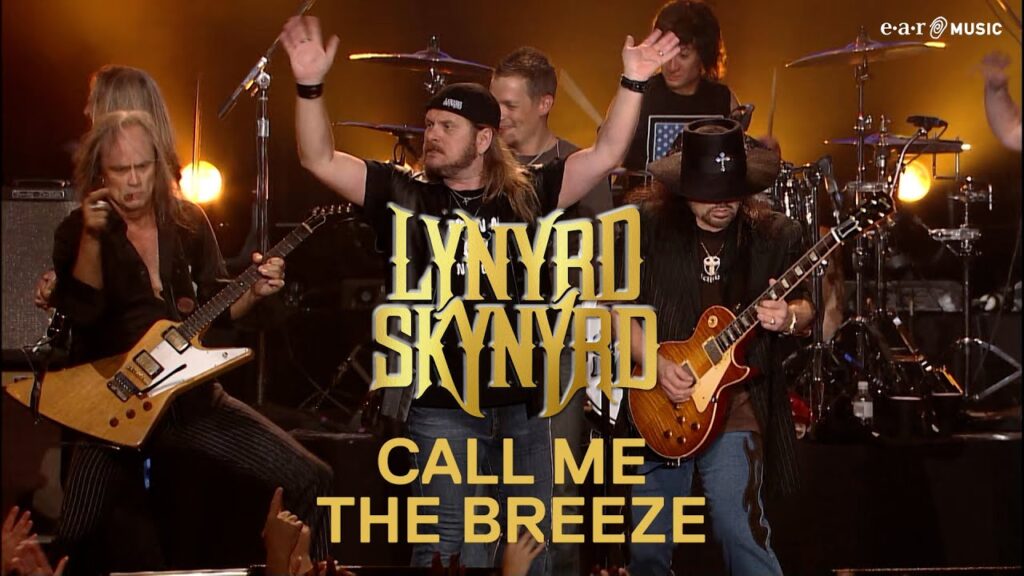
“Call Me the Breeze” has always been a freewheeling piece of outlaw gospel — a breeze-blown anthem for drifters, road dogs, and folks with more miles than maps. But when Lynyrd Skynyrd lit this thing up live in Atlantic City with Bo Bice, 3 Doors Down, and Hank Jr., they didn’t just play it — they baptized it in sweat, swagger, and Southern fire. Right out of the gate, that iconic riff hits like a punch through a screen door. It’s clean, confident, and undeniable. You can practically smell the motor oil and taste the beer foam in the first ten seconds. Skynyrd’s rhythm section doesn’t miss — they roll like an 18-wheeler with fresh tires and no brakes. Bo Bice kicks it off vocally with a gritty Southern growl that’s halfway between backwoods preacher and arena rocker. He brings a raw urgency to the track, and the crowd eats it up. 3 Doors Down jumps in and gives the song a little modern rock crunch, without losing that Skynyrd stomp. And then there’s Hank Jr. — stomping in like a one-man stampede. His verse isn’t clean, and it ain’t polite, but dammit, it’s authentic. He’s not singing the song — he’s living it in real-time. This version of “Call Me the Breeze” feels less like a song and more like a Southern family reunion that turned into a jam session at midnight. Everyone takes a swing, no egos, just vibes. The solos stretch out like open highways, the drums keep it grounded, and the whole thing pulses with the kind of electricity that only happens when seasoned outlaws plug in and let go. Now, don’t get it twisted — this ain’t a reinvention. It’s a celebration. A moment where generations of Southern sound converge and nod to J.J. Cale’s original spirit while adding a few bourbon-soaked fingerprints of their own. The energy is undeniable. The crowd’s hootin’. The guitars are talkin’. And that groove? That groove could ride from Tallahassee to Tulsa and never run outta gas. Skynyrd’s “Call Me the Breeze (Live)” with this all-star cast ain’t trying to be slick. It’s trying to move you. And it does — all the way down to your outlaw bones.
Reckless Kelly – “What’s Left Of My Heart”
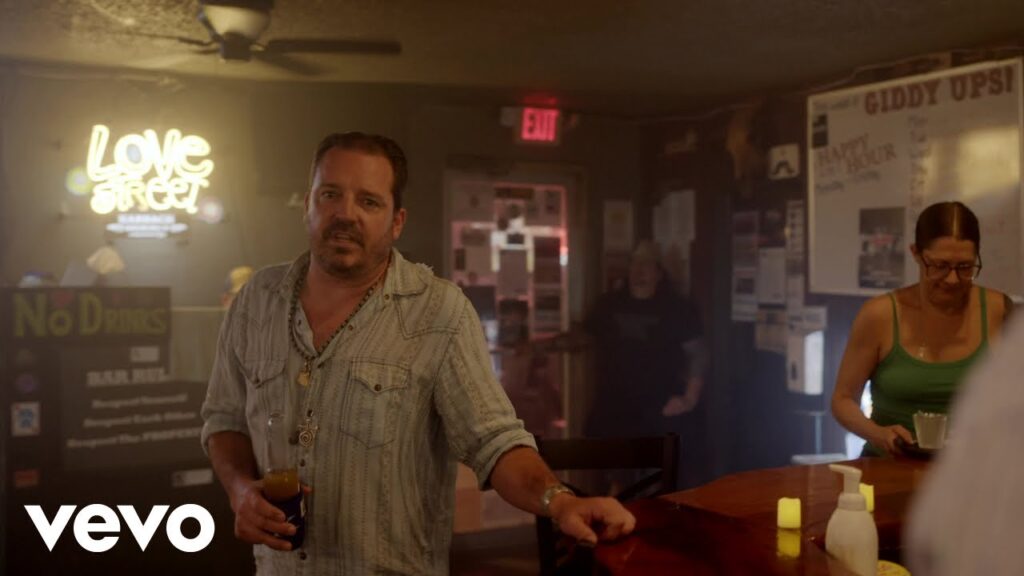
“What’s Left of My Heart” doesn’t ask for pity — it just lays it all out on the table, bruised and still beating. Reckless Kelly’s been grinding out their own brand of Texas-bred Americana for decades, and this track proves they still know exactly how to break you down gently while keeping a boot tapping under your barstool. It kicks off with a melancholy guitar riff — clean, a little dusty, a little sad — like something you’d hear rolling out of a roadside honky-tonk as you pass it by at midnight. Then in comes Willy Braun’s voice: low, worn, and absolutely believable. He doesn’t need to shout. He just means it. That’s always been the band’s secret weapon — authenticity without theatrics. The lyrics feel pulled from a half-finished letter, tucked away in a glovebox for years. “You can have what’s left of my heart / Just know it ain’t much” — that’s not just poetic. That’s lived-in. You can feel the weight of it. This isn’t first-love heartbreak. This is the kind that only comes after time, loss, and a few hard-learned lessons. Musically, it’s tight but tender. Fiddle weaves around the guitar like a second voice, adding just enough ache without turning it syrupy. The drums stay subtle, the bass hums underneath like a steady pulse, and the whole thing feels like it was played live, late at night, by people who knew when to shut up and let the moment speak. And the moment speaks plenty. “What’s Left of My Heart” isn’t flashy, and it’s not trying to reinvent anything. It’s doing what country music — real country music — is supposed to do: tell the truth, keep it simple, and bleed just enough to matter. There’s no redemption arc here. No false hope. Just a man offering what little he’s got left, knowing full well it might not be enough — but still offering it anyway. That’s outlaw, in its quietest and most human form. Reckless Kelly has never been the loudest band in the room, but they’ve always known how to hit you right where it hurts — and “What’s Left of My Heart” is a slow, steady swing you never see coming until it lands.
Lainey Wilson – “Somewhere Over Laredo”
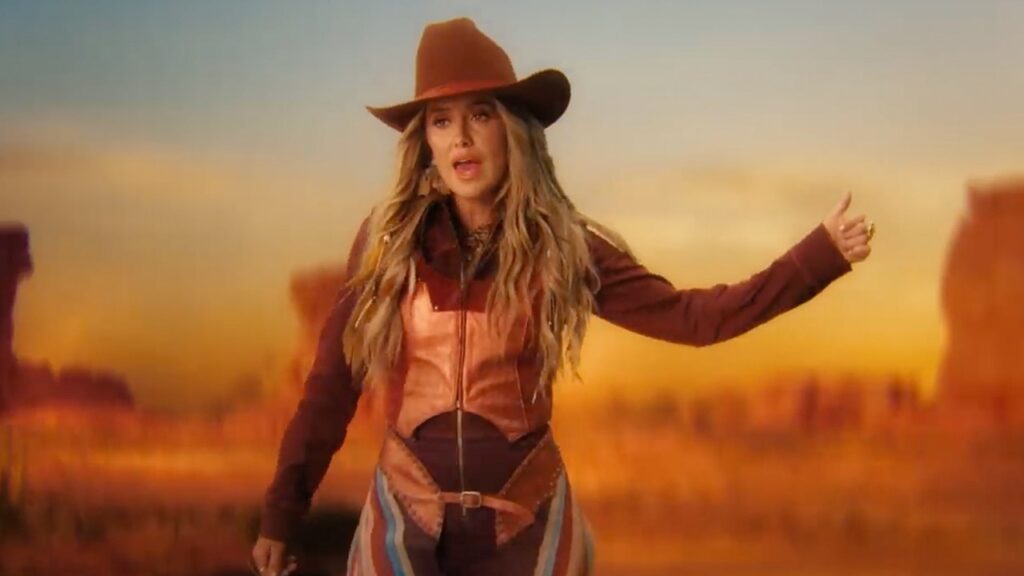
Lainey Wilson doesn’t just sing a song — she embodies it. And with “Somewhere Over Laredo,” she steps into full-blown storyteller mode, spinning a Western tragedy that drips with dust, danger, and desire. It’s less a love song and more a goodbye letter scribbled in blood, wrapped in velvet harmony and soaked in outlaw sorrow. This track unfolds like a slow pan across a border town at dusk. The guitars are patient and full of space — twanging in just the right places without crowding the story. A soft snare shuffles underneath like distant hoofbeats, and a forlorn steel guitar weeps in the background like it’s trying to warn you about what’s coming. Lainey’s vocal is where it all lives. She doesn’t belt — she breathes this song out like a last confession. Her drawl is soft and measured, but it carries weight, every syllable dipped in regret and resignation. You can hear the character she’s singing as — a woman caught in something deep, doomed, and already written in the stars. Lyrically, it’s a damn short story disguised as a song. “He said he had to leave me for the money / Said he’d send for me after the job” — that’s all it takes to set the stakes. She’s left behind, watching her man ride off for something he thinks will fix everything. But there’s a shadow over it from the first verse, and by the time the song ends, you know that “somewhere over Laredo” ain’t where he found redemption — it’s where he disappeared. The chorus aches without begging. “Somewhere over Laredo, he’s lying in the sun / With a bullet in his back and a story left undone.” That’s pure outlaw country — poetry with dirt under its nails. Production-wise, the song keeps it sparse and tasteful. It gives Lainey’s voice room to paint the scene, and it never tries to overpower her. The atmosphere is the secret weapon — it doesn’t tell you how to feel. It just sets the stage and lets the story do the rest. “Somewhere Over Laredo” feels like something Willie might’ve sung in his prime, or a lost Emmylou Harris deep cut. It’s got classic bones with modern blood — a sad little masterpiece hiding in plain sight. This isn’t just a highlight on Whirlwind. It’s a masterclass in how to tell a heartbreaking story without screaming — just whispering it in the right direction.
The Wilder Blue – “Los Diablos Tejanos”
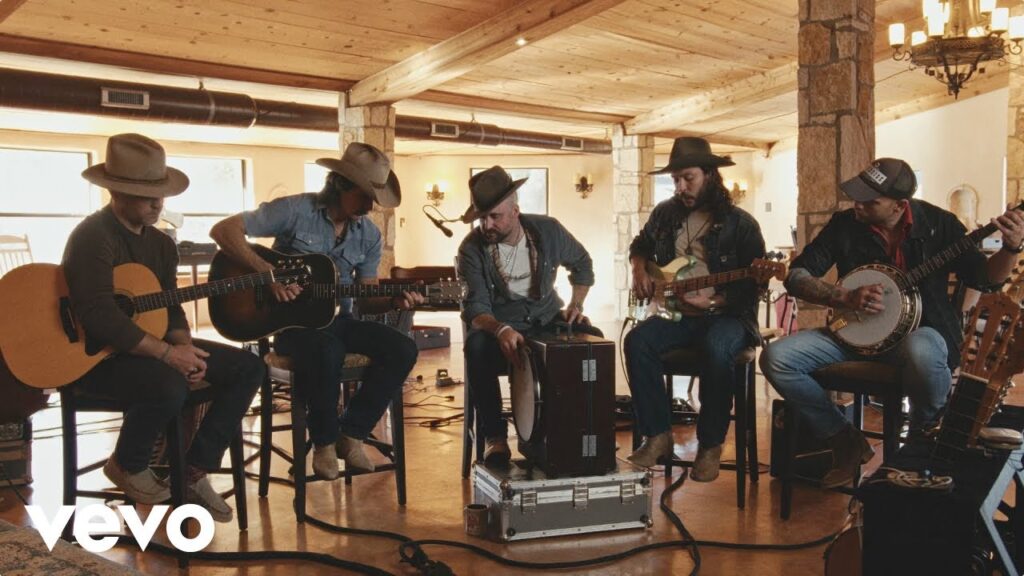
“Los Diablos Tejanos” feels like a Texas ghost story told with harmonies and heat. The Wilder Blue — a band already known for their sharp storytelling and vocal tightness — take a turn toward myth and menace on this track, spinning a tale that’s equal parts outlaw folklore and desert hymn. Right from the start, the vibe is dusty and cinematic. There’s a slow-roll groove to the instrumentation — not quite mariachi, not quite country rock, but something sunburnt and wild in between. A reverb-soaked electric guitar snakes its way through the verses like a rattler in the dirt, and the percussion’s got just enough shuffle to feel like the sound of boots kicking up trouble. Then the vocals hit — layered, haunted, and beautifully delivered. The Wilder Blue are a harmony band, and this track proves why that matters. When they sing “Here come the Tejano devils, ridin’ low across the flame,” it sends a chill up the spine. You don’t just hear the story — you see it. The lyrics paint a picture of a gang of devil-masked outlaws tearing across the Texas landscape, raising hell and disappearing into legend. But like any good outlaw tale, there’s subtext. These devils aren’t just literal — they’re metaphors for fear, rebellion, and what happens when good men get pushed too far. There’s a sense of both reverence and warning in every line. Musically, the band stays tight and restrained. No flash, no overdrive — just steady, thoughtful playing that lets the words and atmosphere carry the load. The bridge drops into a minor-key lull before the final chorus explodes with layered vocals and a hard strum that feels like a showdown at sunset. This song feels like it belongs on vinyl. It’s cinematic in scope but grounded in grit — the kind of track that plays while the credits roll on a Western you didn’t expect to end the way it did. And while the concept may be a little off the beaten path, make no mistake: this is still outlaw country at heart. It’s about standing outside the law, the town, the system — and becoming something that can’t be forgotten. “Los Diablos Tejanos” isn’t a radio single. It’s a campfire legend. A borderland lullaby with spurs on its heels and stories in its smoke.
Kasey Tyndall – “Crystal Methodist”
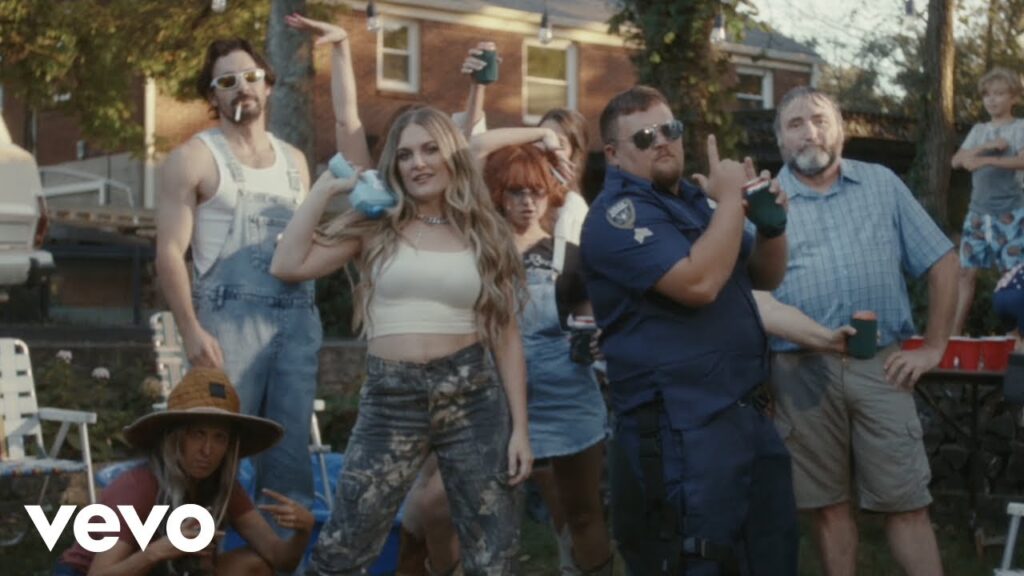
“Crystal Methodist” is what happens when a Southern girl grabs the mic, slams the pulpit shut, and says what everybody else has been too polite to say. Kasey Tyndall throws gasoline on hypocrisy and lights it with a smirk — and the result is a riot of a track that’s half outlaw anthem, half exorcism. From the opening chord, you know this one ain’t gonna be sweet tea and sunsets. It’s raw, riff-heavy, and has that barroom stomp that feels like someone just kicked open the church doors with boots still dirty from Saturday night. There’s distortion on the guitars and fire in the drums, but it’s Kasey’s voice that holds the whip — sharp, fearless, and full of bite. Lyrically, “Crystal Methodist” calls out the kind of faux-holy behavior that rots small towns from the inside. You know the type — the Bible-quoting, gossip-spreading, meth-dealing preacher’s kid who shows up clean on Sunday but burns bridges the other six days. Kasey doesn’t just name names — she calls the whole damn game into question. “She’s got a halo and a habit / High on Sunday, gone on Monday” — that line right there sets the tone. It’s not just catchy. It’s cutting. And it lands with that perfect blend of sass and sorrow that only someone who’s seen it up close can deliver. Musically, it walks the line between Southern rock and modern country grit. Think Miranda Lambert if she grew up listening to Skynyrd and had a flask tucked into her Bible. There’s power in the instruments, but nothing drowns the message. This song ain’t about noise — it’s about calling the devil by name. And here’s the kicker: it’s not mean-spirited. It’s honest. Tyndall’s not attacking religion. She’s attacking the people who weaponize it while hiding their own sins. That’s the real outlaw spirit — not just throwing middle fingers, but pointing them where they actually belong. The hook sticks like a backwoods secret: “She don’t miss a sermon, but she never misses a line / Sweet little Crystal Methodist, bless her heart and hide the crime.” That’s Southern satire with blood on it. “Crystal Methodist” won’t get played at the family picnic — but it’ll be whispered about in every church parking lot. And that’s exactly where it belongs. Kasey Tyndall’s not just making noise. She’s telling the damn truth — loud enough for the whole town to hear.
Hubb Walls – “Old Truck” Ft Rittz
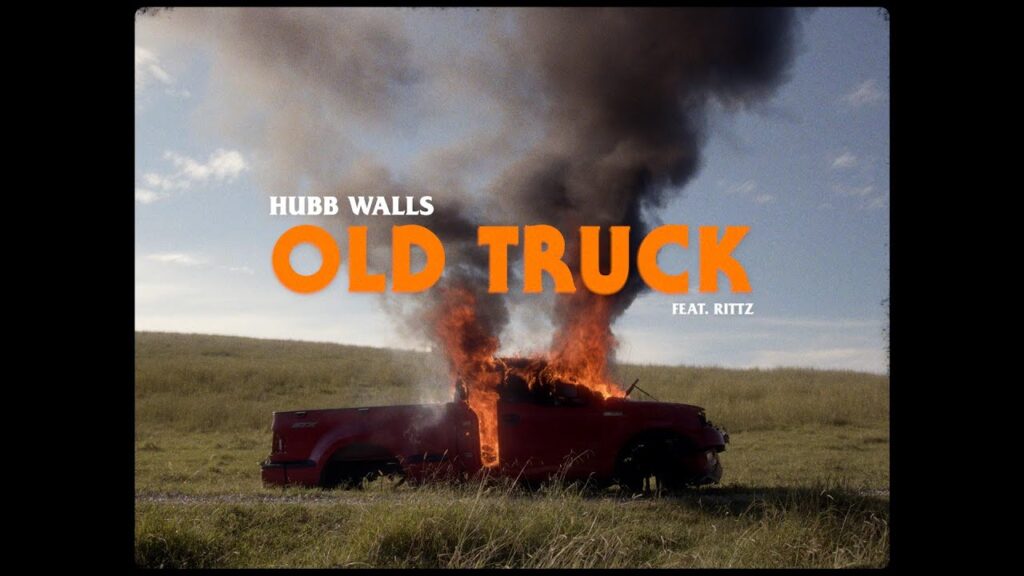
“Old Truck” ain’t just a ride down memory lane — it’s a full-blown outlaw rap-country confession, driven by regret, rebirth, and the kind of real talk most folks are too scared to put in a chorus. Hubb Walls and Rittz come together like oil and gasoline, and what they burn through is their past — with honesty sharp enough to cut through chrome. The beat’s dark and smoky — a slow-rolling blend of hip-hop weight and Southern rock backbone. Acoustic guitar sets the mood, but the trap hi-hats and looming bassline let you know this ain’t your uncle’s pickup ballad. It’s more cinematic than twangy, but the attitude is pure outlaw. Hubb opens the track like a man walking back into the house he set on fire. His delivery is half spoken, half sung — full of bruises and second chances. You can hear the years on his voice, and the years he lost. He’s not posturing. He’s testifying. “This old truck seen more hell than I’ll admit / But it’s still running — guess I am too.” That ain’t poetry for show. That’s therapy with a beat behind it. Then Rittz slides in — slick, fast, and surgical. His verse is a straight-up clinic in vulnerability through velocity. He doesn’t slow down for sympathy. He unloads. Talking about addiction, failure, family — all in that signature double-time that makes you feel like he’s got a hundred more truths he’s still holding back. But where a lot of country-rap collabs sound like label mashups or algorithm bait, this one’s got something real holding it together: pain. And more importantly — growth. This song isn’t about being hard. It’s about being honest. The hook brings it home with a chant-like simplicity: “That old truck still runs, and so do I.” That’s the whole story, right there. It’s survival in motion. There’s no shiny chorus. No big radio moment. Just two men trying to figure out how they’re still breathing after everything that should’ve broke them. It’s dirty, it’s raw, and it feels like it was made for those long-ass nights when you’re alone, staring at the ceiling, and wondering why you made it when so many others didn’t. “Old Truck” ain’t trying to fit in — it’s riding its own damn lane. Slow. Scratched-up. Still moving.