
Bailey Zimmerman – “Comin’ In Cold”
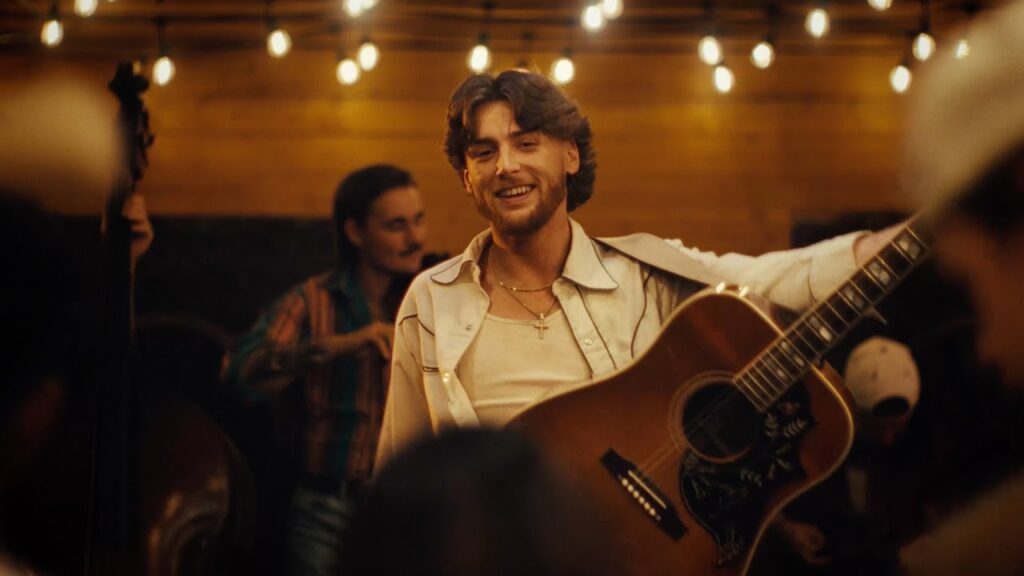
Bailey Zimmerman’s “Comin’ In Cold” doesn’t just knock on your emotional door — it kicks it wide open, covered in dust and regret. From the first few seconds, it’s clear this isn’t just another heartbreak anthem; it’s a barroom confessional laced with pain, grit, and a voice that’s been dragged through every dirt road memory you tried to forget. The track opens on a slow burn — reverb-heavy guitar and a beat that drips tension like a leaking whiskey tap. Zimmerman’s voice doesn’t just carry the song, it hauls it on its back. Raspy, raw, and painfully sincere, he sings like someone who’s still sitting in the ashes of a fire he swore he could control. “Comin’ In Cold” is a breakup song, but not the kind where you burn bridges — it’s the one where you realize you lit the match and then watched it burn because you didn’t know how to do anything else. He sings, “I was the one that left her cryin’ / Left her in the rearview / Wishin’ I could take it back” — and man, it hits. Hard. This is heartbreak without the hero complex. It’s someone finally owning the damage. The production doesn’t try to outshine the emotion. It’s clean and modern but still grounded in country roots — subtle steel guitar tucked under moody textures. The restraint is what sells it. It lets Zimmerman’s lyrics and delivery shine without all the usual Nashville polish. The music video pairs perfectly with the track: dim lighting, slow-motion heartache, a sense of emotional claustrophobia. It visually translates the song’s tension — that feeling of being trapped in your own mistakes, unable to breathe, let alone move on. Every frame feels like it’s haunted by something left unsaid. Final Verdict: “Comin’ In Cold” is Bailey Zimmerman at his most vulnerable and most potent. It’s modern outlaw country with emotional teeth — honest, aching, and unwilling to sugarcoat the cost of screwing it all up. If you’ve ever looked back and wished you’d been better, stronger, or just *there*, this one’s going to hit like a train. And you’ll probably let it.
Muscadine Bloodline – “Meant To Be Friends”

“Meant to Be Friends” might be the most grown-up thing Muscadine Bloodline has ever written — and I mean that in the best damn way. It’s not about wild nights or burning bridges. It’s about something quieter, sadder, and more familiar: letting go of someone with love still in your chest. Right from the jump, the tone’s set with soft guitar picking and a pedal steel that floats like a ghost through an empty room. There’s no swagger here. Just honesty. And that’s what makes it hit so hard. It’s a break-up song, sure — but not the kind that gets drunk and calls your ex. It’s the kind that folds the shirt they left behind and sets it gently on the porch. The lyrics are sharp as ever. “We were never lovers / but we weren’t just friends / Some blurry little something / that came and went again.” That’s pure outlaw poetry. The kind of line you jot down at 2 a.m. and stare at for an hour. It’s not bitter — it’s reflective. Like they’re not mad it ended, just sad it never really started right. Vocally, Charlie and Gary do what they do best: blend like brothers, but each carrying their own weight. One voice sounds like it’s trying to be strong, the other like it already knows it’s lost. That push and pull is what gives the song its soul. It’s not just about what they’re saying — it’s how they’re feeling it in real time. The arrangement never overwhelms. It’s lean, letting every word breathe. Acoustic-driven, with soft drums and just enough steel to keep it country. There’s a maturity in how they let the song exist without dressing it up too much. They trust the feeling to carry it. The video is equally stripped-down — shots of old memories, empty chairs, and little moments that once meant everything. No big narrative, no overblown drama. Just two guys telling the truth in the simplest way possible. That simplicity? It’s exactly what makes it resonate. Final Verdict: “Meant to Be Friends” is a quiet storm. No fireworks, no fire and brimstone — just two voices sorting through the wreckage of a “what could’ve been.” It’s the kind of song you play when you’re not angry anymore — just tired and trying to move on. Muscadine Bloodline proves once again they’ve got range, soul, and more than enough heart to carry this genre forward.
Waylon Wyatt – “Old Habits”
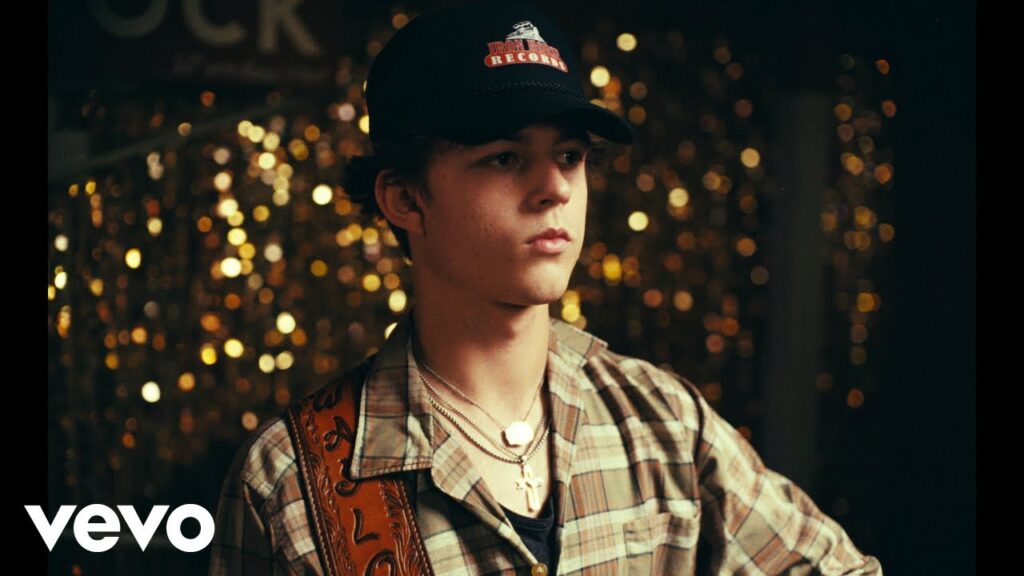
Waylon Wyatt kicks up a cloud of dust and damnation on “Old Habits,” a barroom confession that doubles as a back-alley blues burner. It’s country with a mean streak — part outlaw, part gospel, and all grit. From the moment the drums drop and that guitar snarls to life, you know this ain’t a redemption song. This is a man who’s been through hell and found a few reasons to hang around. The riff has a bluesy swagger, but the delivery? Pure honky-tonk self-awareness. The lyrics roll like spilled whiskey — messy, real, and a little dangerous. Wyatt’s not begging for forgiveness, he’s just laying it all out. Drinking, smoking, fighting the same old demons — he knows the drill, and he doesn’t pretend to be anything he’s not. There’s a brutal honesty in that. No pity. No excuses. His voice is pure Southern-fried gravel, smoked and seasoned with late nights and long drives. He rides the groove like he’s done this dance before — because he has. There’s pain in his tone, but also a kind of pride. You can’t fake this kind of wear and tear. Musically, “Old Habits” struts more than it stumbles. It’s tight, but with just enough looseness to feel alive — a cracked snare here, a wild lick there. The band feels like a crew of outlaws that could hold their own in a knife fight or a jam session. The video’s stripped-down and moody — shots of dive bars, dirt roads, and Waylon in his element, looking like he just buried something he’s not gonna talk about. The visual tone is rough-hewn and honest, which suits the song to a T. Final Verdict: “Old Habits” doesn’t ask for your understanding — it dares you to judge it. Waylon Wyatt delivers a dirty, honest, and damn good tune that rides the line between sin and salvation like a busted pickup with a half tank and nothing to lose. This is outlaw music the way it oughta be: raw, unrepentant, and real as hell.
Johnny Rodriguez and the Goat: The True Tale Behind David Allan Coe’s Wild Lyric
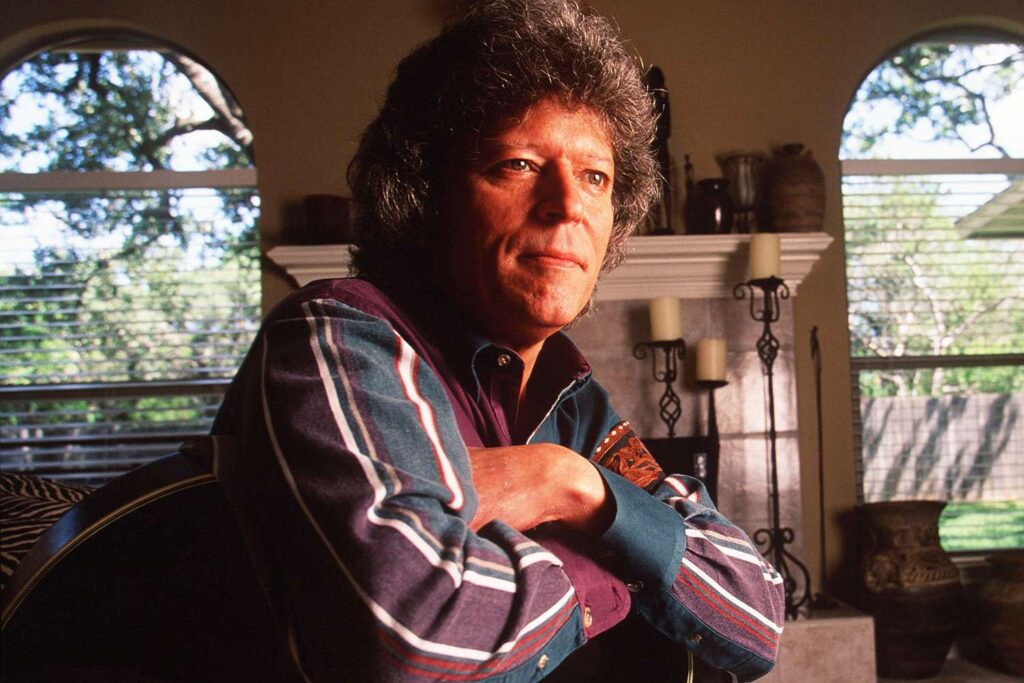
David Allan Coe was never one to shy away from colorful lyrics, but the line from his 1976 classic “Long Haired Redneck” — “Johnny Cash helped me get out of prison, long before Rodriguez stole that goat” — has lived on as one of the strangest and most legendary name-drops in country music. It’s more than a punchline — it’s a half-true, half-mythical nod to the early outlaw spirit of Johnny Rodriguez, a rising star who made as much noise with his voice as he did with his backstory. Who Was Rodriguez? Johnny Rodriguez wasn’t just some name dropped for shock value. By the mid-1970s, he was one of the hottest acts in country music. Born in Sabinal, Texas, Rodriguez had a soulful baritone and a knack for writing honest, aching songs. He was also one of the first Mexican-American artists to break into Nashville’s mainstream, with a string of hits including “You Always Come Back (To Hurting Me)” and the timeless “Ridin’ My Thumb to Mexico.” But what really set him apart — and earned him that immortal mention in Coe’s song — was the infamous goat incident. The Goat Story: Fact and Fiction Here’s how the story goes: at just 18 years old, Johnny Rodriguez was arrested in his hometown of Sabinal for allegedly stealing and barbecuing a goat. Whether he actually did it or not is still debated — some say it was a misunderstanding, others swear it was more prank than crime. What’s clear is that his time behind bars turned into an unexpected stroke of luck. The Texas Ranger who arrested him reportedly heard Rodriguez singing in his cell and was impressed enough to introduce him to a promoter running a local wild west show. That connection led to a gig where Rodriguez caught the attention of none other than Tom T. Hall — a legendary singer-songwriter and storyteller in his own right. Hall was blown away and brought Rodriguez to Nashville. There, he wrote songs for Hall and soon found himself fronting Hall’s band. It didn’t take long for Mercury Records to take notice, and by 1972, Rodriguez had cut his first single. Just a year later, he scored his first number one hit. Coe, Cash, and Country Irony So where does David Allan Coe come in? Coe — a former inmate himself — was carving out his own place in outlaw country when he dropped “Long Haired Redneck” in ‘76. The song is part autobiography, part anthem, and part inside joke. When Coe sings about “Johnny Cash helpin’ me get out of prison,” he’s nodding to the Man in Black’s real-life advocacy for prison reform and his work at places like Folsom and San Quentin. But then comes the curveball: “Long before Rodriguez stole that goat.” It’s Coe at his storytelling best — folding a now-legendary industry tale into a gritty outlaw narrative, blurring the line between myth and memory. It’s funny. It’s odd. And it’s real — the kind of wink only true fans would understand. Final Thoughts Johnny Rodriguez went on to become a respected figure in country, but he never quite shook the goat story — probably because he never tried to. Like Coe, he embraced the messiness of life and let his music speak louder than the headlines. That’s what outlaw country was always about. So next time that line hits your ears, know it’s more than a joke — it’s a strange, true-to-life tale of two country rebels, each chasing freedom in their own wild way.
Lukas Nelson – “Born Runnin’ Outta Time”

Lukas Nelson doesn’t just carry the family name — he carves his own path with a boot knife and a poet’s heart. And in “Born Runnin’ Outta Time,” he offers a road-weary anthem that feels like it was pulled straight from a motel notepad off Route 66. The song opens with a lazy, rolling groove — half desert rock, half country croon — and from the first line, you can feel the clock ticking. Lukas isn’t just singing about time slipping away; he’s living it. Every note carries a sense of urgency wrapped in a shrug, like a man who knows he can’t outrun fate but ain’t about to stop running either. Lyrically, it’s heavy with duality — hope and resignation, motion and meaninglessness. He sings about movement like it’s survival, and maybe it is. “Born runnin’ outta time” isn’t just a hook, it’s a mantra for anyone who’s ever felt like the world gave them a head start and a curse all at once. What really sells it, though, is Lukas’s delivery. There’s just enough scratch in his voice to remind you this life has mileage. He’s not mimicking his dad, but there’s that same sense of lived-in wisdom, like the truth comes easier with a little dust on it. The video takes that feeling and amplifies it with stark imagery — Lukas riding solo across the open plains, train tracks stretching endlessly behind him, neon signs glowing in the rearview. It’s all classic outlaw symbolism, but it never feels staged. It feels earned. The video complements the song perfectly: wide, lonely, and rolling toward something you’ll never quite reach. There’s no bravado here. No cowboy posturing. Just a man, a guitar, and the burden of knowing the clock doesn’t care if your song is finished. Final Verdict:“Born Runnin’ Outta Time” is modern outlaw philosophy — low on flash, high on truth. It’s for the wanderers, the road dogs, the ones who know you can’t beat the clock but you can damn sure leave a trail behind. Lukas Nelson proves once again he’s not just Willie’s kid. He’s a prophet in his own right — one with a full tank, a busted compass, and a hell of a story to tell. Let me know if you’d like to pair this with an image or need it formatted for WordPress.
Lainey Wilson – “Somewhere Over Laredo”
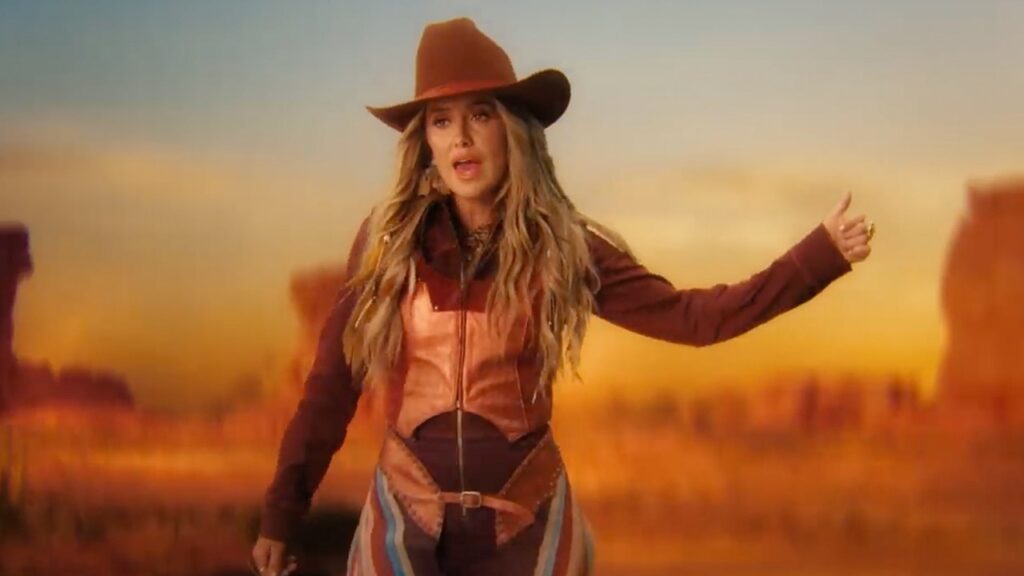
Lainey Wilson doesn’t just sing a song — she embodies it. And with “Somewhere Over Laredo,” she steps into full-blown storyteller mode, spinning a Western tragedy that drips with dust, danger, and desire. It’s less a love song and more a goodbye letter scribbled in blood, wrapped in velvet harmony and soaked in outlaw sorrow. This track unfolds like a slow pan across a border town at dusk. The guitars are patient and full of space — twanging in just the right places without crowding the story. A soft snare shuffles underneath like distant hoofbeats, and a forlorn steel guitar weeps in the background like it’s trying to warn you about what’s coming. Lainey’s vocal is where it all lives. She doesn’t belt — she breathes this song out like a last confession. Her drawl is soft and measured, but it carries weight, every syllable dipped in regret and resignation. You can hear the character she’s singing as — a woman caught in something deep, doomed, and already written in the stars. Lyrically, it’s a damn short story disguised as a song. “He said he had to leave me for the money / Said he’d send for me after the job” — that’s all it takes to set the stakes. She’s left behind, watching her man ride off for something he thinks will fix everything. But there’s a shadow over it from the first verse, and by the time the song ends, you know that “somewhere over Laredo” ain’t where he found redemption — it’s where he disappeared. The chorus aches without begging. “Somewhere over Laredo, he’s lying in the sun / With a bullet in his back and a story left undone.” That’s pure outlaw country — poetry with dirt under its nails. Production-wise, the song keeps it sparse and tasteful. It gives Lainey’s voice room to paint the scene, and it never tries to overpower her. The atmosphere is the secret weapon — it doesn’t tell you how to feel. It just sets the stage and lets the story do the rest. “Somewhere Over Laredo” feels like something Willie might’ve sung in his prime, or a lost Emmylou Harris deep cut. It’s got classic bones with modern blood — a sad little masterpiece hiding in plain sight. This isn’t just a highlight on Whirlwind. It’s a masterclass in how to tell a heartbreaking story without screaming — just whispering it in the right direction.
The Wilder Blue – “Los Diablos Tejanos”
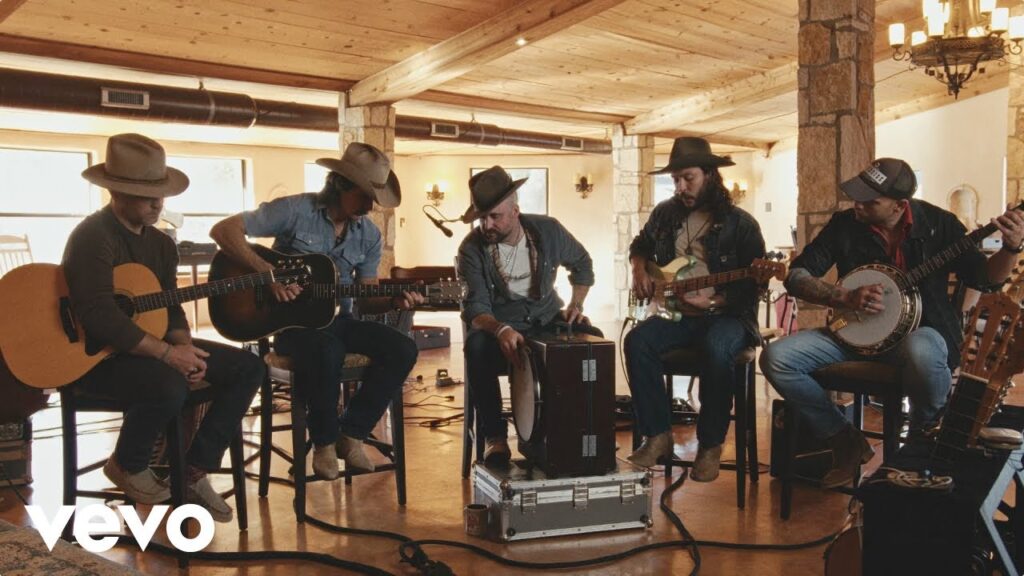
“Los Diablos Tejanos” feels like a Texas ghost story told with harmonies and heat. The Wilder Blue — a band already known for their sharp storytelling and vocal tightness — take a turn toward myth and menace on this track, spinning a tale that’s equal parts outlaw folklore and desert hymn. Right from the start, the vibe is dusty and cinematic. There’s a slow-roll groove to the instrumentation — not quite mariachi, not quite country rock, but something sunburnt and wild in between. A reverb-soaked electric guitar snakes its way through the verses like a rattler in the dirt, and the percussion’s got just enough shuffle to feel like the sound of boots kicking up trouble. Then the vocals hit — layered, haunted, and beautifully delivered. The Wilder Blue are a harmony band, and this track proves why that matters. When they sing “Here come the Tejano devils, ridin’ low across the flame,” it sends a chill up the spine. You don’t just hear the story — you see it. The lyrics paint a picture of a gang of devil-masked outlaws tearing across the Texas landscape, raising hell and disappearing into legend. But like any good outlaw tale, there’s subtext. These devils aren’t just literal — they’re metaphors for fear, rebellion, and what happens when good men get pushed too far. There’s a sense of both reverence and warning in every line. Musically, the band stays tight and restrained. No flash, no overdrive — just steady, thoughtful playing that lets the words and atmosphere carry the load. The bridge drops into a minor-key lull before the final chorus explodes with layered vocals and a hard strum that feels like a showdown at sunset. This song feels like it belongs on vinyl. It’s cinematic in scope but grounded in grit — the kind of track that plays while the credits roll on a Western you didn’t expect to end the way it did. And while the concept may be a little off the beaten path, make no mistake: this is still outlaw country at heart. It’s about standing outside the law, the town, the system — and becoming something that can’t be forgotten. “Los Diablos Tejanos” isn’t a radio single. It’s a campfire legend. A borderland lullaby with spurs on its heels and stories in its smoke.
Jamey Johnson – “Someday When I’m Old”

When Jamey Johnson sings about growing old, you stop what you’re doing and listen. “Someday When I’m Old” isn’t just a song about time — it’s a meditation on what’s left behind. It’s the kind of track that creeps up on you like age itself: slow, quiet, and full of truths you weren’t ready to hear until they already came true. It opens like the wind blowing through a screen door. Sparse acoustic guitar, soft steel behind it like a shadow, and then that voice — deep, cracked, half smoke and half sermon. Johnson doesn’t rush. He’s not trying to sell you anything. He’s just telling it the way only someone who’s lived through it can. The lyrics are simple, but they carry more weight than most ten-dollar words ever could. “I won’t care how fast my truck was / I’ll just hope it still starts” — that line alone says more about growing older than most whole albums. It’s not just about mortality. It’s about perspective. About watching the wildness of youth fade into something quieter, and maybe a little more meaningful. The production is classic Johnson — organic, unvarnished, real. No polished studio sheen, no digital tricks. Just wood, wire, and soul. It sounds like it was recorded in a single take, in a room where everyone knew to keep their damn mouths shut and let the man sing. There’s a warmth to it, though. This ain’t a sad song. It’s not bitter. It’s grateful, even when it aches. Johnson sings like a man who’s seen what matters get stripped away — and found peace in what remains. That’s the outlaw ethos at its most refined: not raising hell, but surviving it, and maybe even growing from it. The chorus doesn’t soar — it settles. And that’s perfect. It doesn’t need to blow you away. It just needs to stay with you. And it will. “Someday When I’m Old” doesn’t just hit the ears — it hits the gut. It’s for the late nights when you realize you’ve got more memories than dreams. For the mornings when the hangover lasts longer than the party did. For the fathers, the sons, the friends who’ve walked away — and the ones who stayed. Jamey Johnson’s never been interested in trends. He’s been interested in truth. And this song is full of it — raw, unfiltered, and aging just right.
Pink Beard – “Mine, Lord Willing”
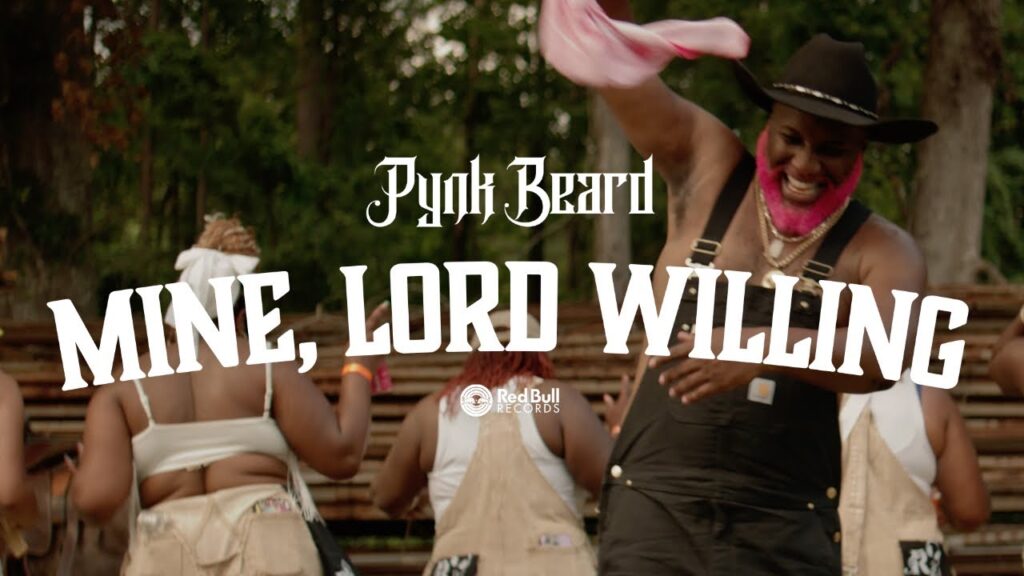
“Mine, Lord Willing” by Pynk Beard isn’t just a song — it’s a neon-lit daydream laced with gospel dust and whiskey echoes. Equal parts playful and reverent, it walks that razor-thin outlaw line between tongue-in-cheek and open-heart — and somehow manages to stick the landing without slipping into parody or preachin’. The track opens soft — almost deceptive — with a laid-back, acoustic shuffle that hints at old-time folk but quickly layers into something more modern and unpredictable. There’s a touch of ragtime in the rhythm, maybe a little Tom Waits-style mischief if you listen close, but it all holds together thanks to one thing: personality. And that’s Pynk Beard’s secret weapon — he’s got character. He doesn’t sound like he’s trying to be anyone else. He’s not cosplaying outlaw or doing karaoke cowboy. He’s telling a story in his own damn voice. Raspy but not rough. Worn, but not weary. It’s the kind of delivery that says: “I’ve seen things… and I’m still laughing.” Lyrically, this one’s deceptively sharp. On the surface, it’s a love song — or maybe a faith song — or maybe a drinking song dressed up in Sunday best. That’s the thing. The lines blur. “If she’s mine, Lord willing, then I’ll pray a little more / And if not, I’ll learn to dance with the devil by the door.” That’s a hell of a line. Not just clever — human. There’s a kind of spiritual ambiguity to the whole thing. It nods to grace, winks at sin, and invites both to sit at the table. And in the world of outlaw music, that’s holy ground. The instrumentation stays light, but not flimsy. Upright bass walks steady, the piano slides in with a few tasteful flourishes, and the guitar keeps things grounded. No frills, no filler. Just a clean, character-rich arrangement that lets the lyrics do the talking. And that chorus — it’s sticky. Not in a pop-radio way, but in a soul way. The kind that shows up later in your head when you’re alone on a porch with no one to impress but the moon. “Mine, Lord Willing” doesn’t sound like anything else on the air right now — and that’s its power. It’s old-fashioned without being dusty. Smart without being smug. And most importantly, it sounds like it came from someone who meant it. Pynk Beard may not be playing stadiums, but with songs like this, he’s carving out something even better: authenticity.
Dwight Yoakam Ft Post Malone – “I Don’t Know How To Say Goodbye”
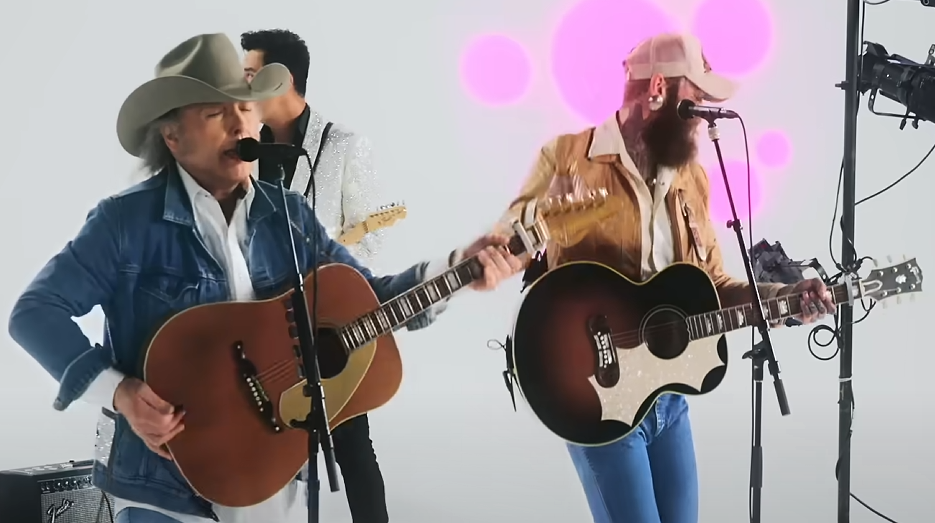
Some songs feel like a risk. This one? It feels like a damn revelation. “I Don’t Know How to Say Goodbye” pairs two voices you’d never expect to see sharing a mic — Dwight Yoakam, the honky-tonk time traveler, and Post Malone, the tattooed wildcard of genre collisions. And yet somehow, this track doesn’t feel forced. It feels fated. It starts soft — a lonesome acoustic strum, maybe a hint of steel in the background — and Yoakam’s voice eases in like a memory you thought you buried. That signature nasal twang still cuts through, cracked around the edges like sun-faded vinyl. He sounds older. Wiser. But no less sharp. Then Post comes in. And it works. Surprisingly well. His voice doesn’t try to match Dwight’s — it leans into its own lane. Smoky, melancholy, more croon than country, but full of soul. There’s no auto-tune, no pop tricks. Just honesty. Vulnerability. It’s like the two are sitting across from each other at a dive bar, trading verses and unfinished thoughts. Lyrically, the song’s a gut punch. It doesn’t dance around pain — it drags it right into the spotlight. “I’d rather fight than feel this empty / I’d rather lie than say goodbye” — that’s not romantic. That’s real. That’s the sound of someone trying to hold on to something that’s already slipping through their fingers. The chorus is restrained but heartbreaking, with both voices blending in raw, imperfect harmony. They’re not trying to outsing each other. They’re agreeing — in different tones — that this hurts like hell. What really sells it is the production. It’s stripped-back, intimate, and damn near analog in feel. Like someone recorded it late one night after too many drinks and too few words. No flash. No filler. Just a song that breathes. This collaboration could’ve been a gimmick. Could’ve been a label stunt. Instead, it’s something way rarer — two artists who mean it, coming from different corners of the world to meet at the crossroads of heartbreak. “I Don’t Know How to Say Goodbye” isn’t just a title. It’s a confession. One that a lot of us have lived and never said out loud.