
Waylon Jennings – “The Cowboy” (Small Texas Town)
“The Cowboy (Small Texas Town)” isn’t trying to reinvent Waylon; it’s reminding you what made him unshakeable in the first place. A lived-in vocal, a band that trusts the song, and writing that refuses to settle for clichés. It’s a map back to the center of country music—where character comes first and rhythm keeps you honest.
WAYLON JENNINGS & JESSI COLTER – “Hee Haw” (televised Feb 26, 1972)
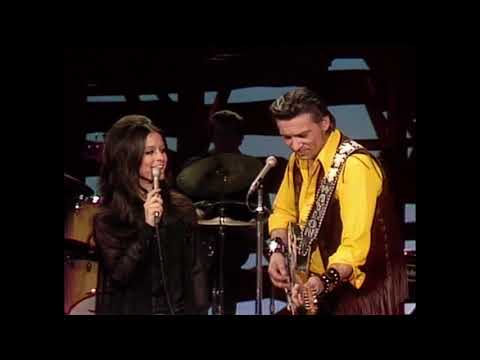
WAYLON JENNINGS & JESSI COLTER – “Hee Haw” (televised Feb 26, 1972) In the pantheon of outlaw country music, few names resonate as powerfully as Waylon Jennings and Jessi Colter. Their legendary appearance on “Hee Haw” on February 26, 1972, is a testament to their enduring influence and charisma. Now, with the release of the NEW DES MIX 2023, fans new and old can experience the raw, unfiltered magic of this iconic duo like never before. Waylon Jennings and Jessi Colter, both individually and collaboratively, broke the mold of country music, rejecting Nashville’s polished veneer for a grittier, more authentic sound. This performance is a snapshot of that rebellion, a moment in time when music was more than just sound—it was a statement. This 2023 remaster of “Hee Haw” is more than just a nod to nostalgia; it’s a vivid reminder of why Waylon Jennings and Jessi Colter remain central figures in the outlaw country genre. The NEW DES MIX enhances the original recording with a clarity that highlights the intricate guitar riffs of Jennings and the soul-stirring vocals of Colter. Their chemistry is palpable, a fire that burned bright on stage and set a precedent for couples who rock the country scene. The performance captures Waylon’s rugged, almost defiant stage presence, while Jessi’s voice weaves effortlessly through the melodies, creating a harmonious blend that is both electrifying and soothing. For those who have yet to witness the magic of Waylon Jennings and Jessi Colter’s “Hee Haw” performance, the NEW DES MIX 2023 offers a perfect introduction. The mix respects the integrity of the original while introducing subtle enhancements that modernize the experience without losing its vintage charm. It’s a delicate balance, but this remaster hits the mark, offering a soundscape that’s both fresh and evocative of its time. Waylon Jennings and Jessi Colter’s collaboration on “Hee Haw” is a masterclass in musical synergy. Their performance isn’t just a relic of the past; it’s a living, breathing testament to the power of genuine artistry. The NEW DES MIX 2023 revitalizes this classic moment, ensuring that its impact resonates with today’s listeners just as it did over half a century ago. Final Verdict The 2023 update of Waylon Jennings and Jessi Colter’s “Hee Haw” performance is a triumph, breathing new life into a timeless classic. It stands as a bold reminder of what outlaw country music is all about: authenticity, passion, and the relentless pursuit of artistic freedom. Whether you’re a long-time fan or new to their legacy, this remaster is a must-listen, guaranteed to reignite your love for the rebellious spirit of Waylon Jennings and Jessi Colter.
Waylon Jennings – “Are You Sure Hank Done It This Way”
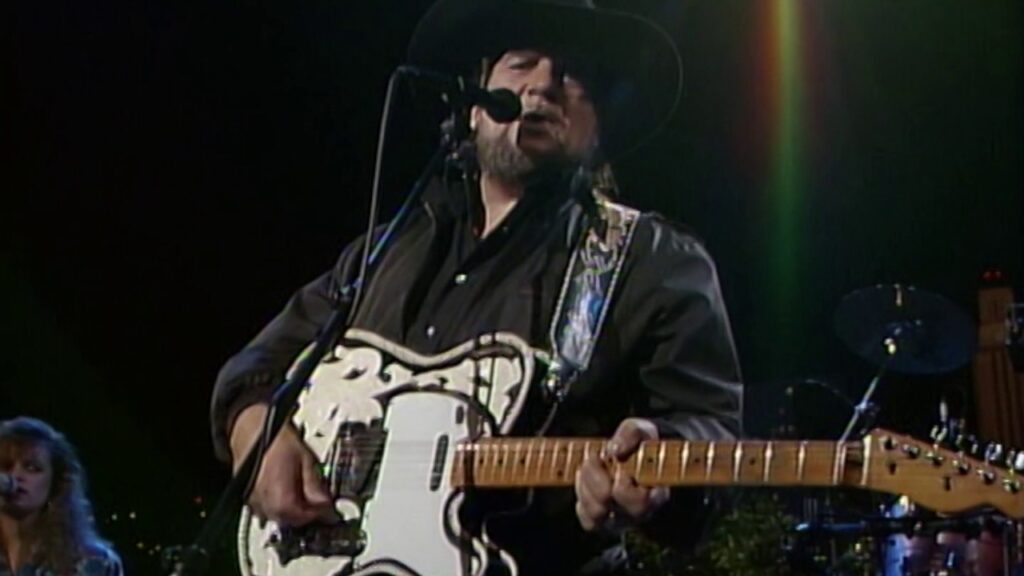
Waylon Jennings goes full rebel on the Austin City Limits stage with **“Are You Sure Hank Done It This Way”**, recorded live April 1, 1989—an electrifying reminder of outlaw country’s thunderous edge[1]. From the first guitar chord, it’s a declaration: fists in the air, amps cranked, band locked in. Waylon’s voice—raspy, world-worn, defiant—asks the question no one dared to ask: > “Are you sure Hank done it this way?” That voice cuts deeper on stage. He isn’t paying tribute—he’s calling out. The glossy rhinestones, the Nashville formula, the radio-friendly facade? Waylon’s incendiary delivery rips them wide open. The band backs him up with swagger: tight drums, snarling electric guitar, and enough pedal steel to stir dust. This isn’t nostalgia—it’s reckoning. The solos mean business; the groove commands respect. The video—part of the official *Live from Austin, TX* series—is crystal clear. Audience close enough to feel, camera angles that catch every drop of sweat and spark. You’re not watching a legend—you’re *there* with him, feeling every chord. Final Verdict: “Are You Sure Hank Done It This Way” isn’t just performed—it’s lived. In this ACL recording, Waylon owns every syllable and every defiant note. It’s outlaw country’s manifesto in motion, and still sounds like thunder today. Sources: YouTube – Live from Austin City Limits (April 1, 1989) — Clear video, top-quality audio, fully live performance. Wikipedia — Song origin, 1975 single, outlaw-country anthem context. Wikipedia — Recorded date, part of Live from Austin, TX series.
Shooter Jennings feat. Waylon Jennings – “Songbird”
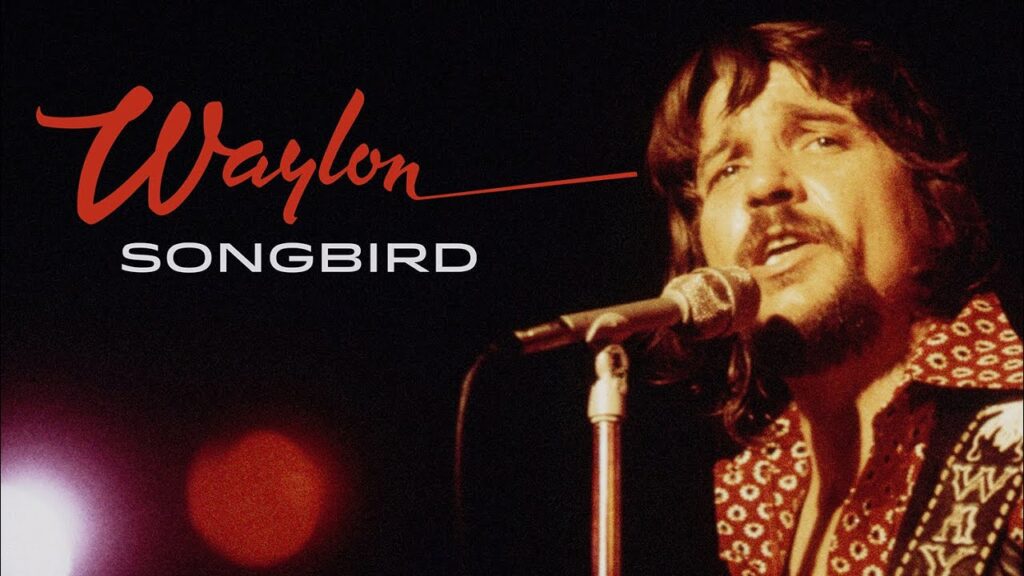
“Songbird” hits like a message from beyond the grave, and damn if it don’t make the hair stand up on your arms. Shooter Jennings teams up with his legendary father, Waylon, to breathe life into a track that’s less about music and more about legacy. It’s haunting, heartfelt, and built like a slow-burning fire in the corner of a dimly lit barroom. You hear that familiar grit in Waylon’s voice — the one that shaped generations of outlaws — and you can’t help but stop what you’re doing. He’s not just singing. He’s testifying. Shooter doesn’t try to outshine him. Instead, he weaves his own soul into the gaps, like a son finishing a story his father started long ago. Musically, “Songbird” moves slow, but not sleepy. It’s wrapped in pedal steel and piano, carried on a breeze of acoustic guitar that feels more Southern gospel than honky-tonk. There’s no rush. No flash. Just weight. You can almost smell the cigarette smoke and old wood in the studio. The real heart of the track lies in its tone. This isn’t a power duet or a flex. It’s Shooter sitting across from the ghost of his father, saying, “I remember.” And Waylon? He answers, not with thunder — but with calm, steady truth. “Songbird” sounds like it was always meant to exist. Like it was just waiting for the right moment, and the right bloodline, to bring it out of the ether. Lyrically, it’s tender — not the kind of thing either Jennings is most known for, but that’s what makes it special. “Fly away, songbird, into the night / Let your melody carry me through the fight” — that’s not outlaw bravado. That’s a man looking for peace. There’s no doubt about it: this is a song born of love, loss, and the kind of reverence you only carry for someone who shaped your soul. It’s raw in a way that doesn’t beg for attention. It just is. And that’s about as outlaw as it gets. “Songbird” doesn’t scream. It whispers. And in doing so, it echoes louder than most tracks ever could. This is blood, spirit, and southern grace all stitched into one damn fine song.
David Allan Coe – “Willie, Waylon And Me”
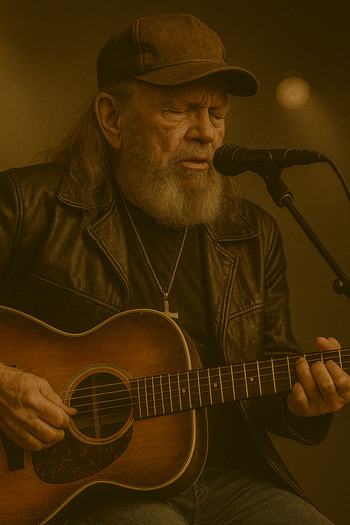
If there’s ever been a barroom Bible verse for the outlaw country gospel, it’s “Willie, Waylon and Me.” David Allan Coe didn’t just write a song — he etched his name into the damn outlaw constitution with this one. It’s a declaration of independence, a rebel’s roll call, and a backhanded love letter to the Nashville system that never quite knew what to do with a man like Coe. The song kicks in like a slow burn — spoken word over a steel guitar simmer — before Coe starts dropping names like a man tossing lighters into gasoline. “Willie and Waylon and me” isn’t just a trio. It’s a movement. It’s code for artists who didn’t just push boundaries — they kicked ‘em down and poured bourbon on the wreckage. Musically, the track is deceptively simple: a laid-back Southern groove, steel and electric guitars weaving between each other like two old friends at a late-night jam. But the real weight here is in the delivery. Coe’s voice is like a busted bottle — sharp on the edges, but damn if it doesn’t pour out smooth. He’s not just telling a story; he’s issuing a challenge. He recounts his own outsider’s journey — the Nashville politics, the backhanded compliments, the circuitous route through biker bars and prison stages. And he does it with a swagger that teeters right on the edge of self-parody, but somehow never falls. That’s part of Coe’s strange magic — he could tell you he invented country music, and you’d still want to buy him a drink afterward. There’s a lot of myth-making here, sure. But in outlaw country, myth is the music. What matters is that you believe it when it’s playing — and Coe makes damn sure you do. When he name-drops “The Mysterious Rhinestone Cowboy,” he’s not just referencing an old character — he’s reminding you that before the mainstream took a shine to weird, he was already out there, rhinestones and all, playing to rooms that didn’t know what hit ‘em. “Willie, Waylon and Me” is less about those two legends and more about carving space beside them — demanding to be heard, even if the world isn’t asking. It’s a boot to the chest of country conformity, and a reminder that sometimes the best music comes from the ones too wild to tame. It’s not humble. It’s not clean. But it’s damn sure outlaw.