Johnny Cash – “Folsom Prison Blues” (Live at Folsom State Prison, January 13, 1968)
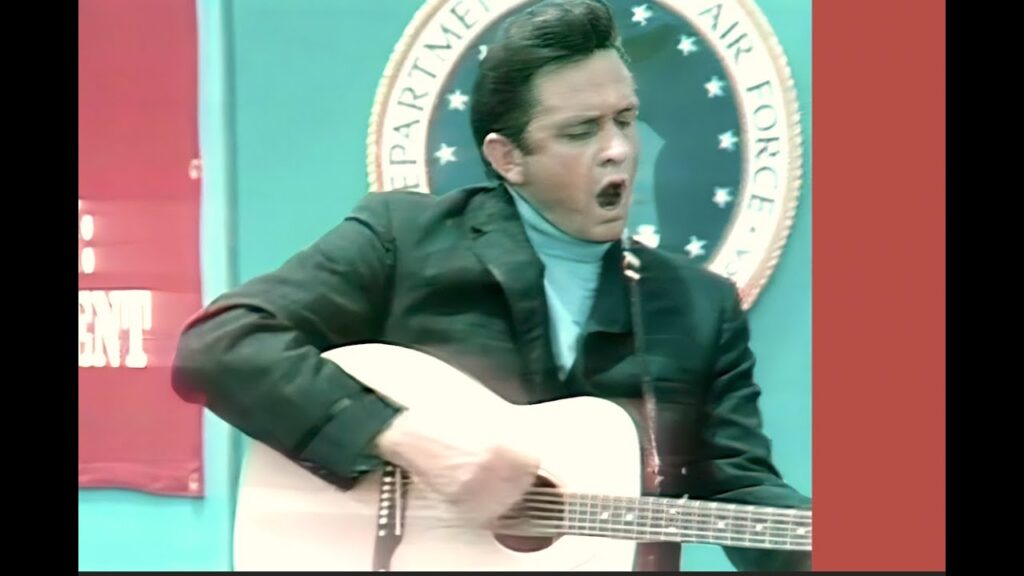
Johnny Cash rewrote country history with **“Folsom Prison Blues”** live at Folsom Prison in 1968. This isn’t just a performance—it’s a manifesto from the man in black, recorded where it mattered[5][6]. That snare drum opening, that snap of Cash’s voice—it’s a bullet fired through the heart of conformity. “But I shot a man in Reno…”—never sounded more defiant. You feel the tension—every inmate listening, every guard silent. The audio’s sharp enough to hear footsteps on the yard, the camera’s grainy but alive—you’re there. This moment changed country music. Final Verdict: “Folsom Prison Blues” at Folsom Prison is the core of outlaw ethos—pain, place, truth, and defiance—all rolled into legendary live performance. Still hits harder than ever. Sources: YouTube – Johnny Cash “Folsom Prison Blues” Live at Folsom Prison 1968 — raw prison audio/video. Wikipedia – At Folsom Prison album info; documented recording date Jan 13, 1968; Wikipedia – Song history, live impact, and Cash’s Grammy win for live performance.
Waylon Jennings – “I’m a Ramblin’ Man” (Live from Austin City Limits, April 1, 1989)
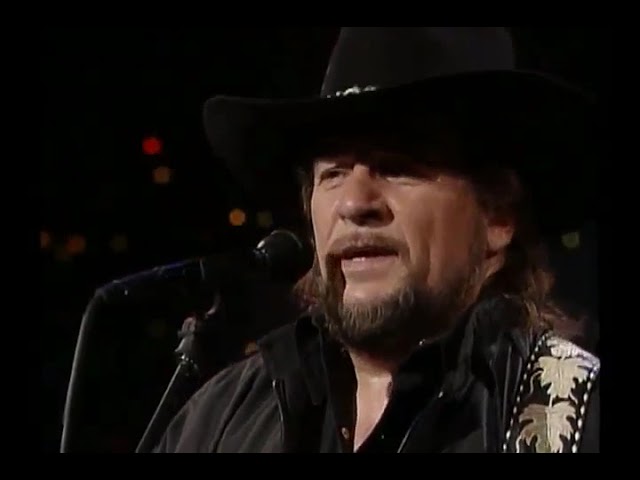
Waylon Jennings owns the ACL stage with **“I’m a Ramblin’ Man,”** captured live on April 1, 1989. This cut is outlaw spirit in action—electric, unapologetic, and dripping with swagger[1][2]. From the first snarl of that guitar, Waylon owns the stage. His voice carries grit, miles, and defiance. No overly polished radio gloss—just raw outlaw confidence. The band’s rhythm is a rolling thunder, carrying every lyric like a train hitting midnight. The footage’s crystal clear: light bouncing off rhinestones, Waylon’s jacket glinting, audience leaning in. You can feel the sweat, the energy, the reckless freedom of it all. Final Verdict: This isn’t nostalgia—it’s a declaration. Waylon’s deliverance of “I’m a Ramblin’ Man” on ACL still roars today like a primal howl for artistic ownership. Sources: YouTube – Waylon Jennings “I’m a Ramblin’ Man” (Live from Austin City Limits, 1989) — high-quality video/audio. Wikipedia – Live from Austin, TX album info (recorded April 1, 1989).
Johnny Rodriguez and the Goat: The True Tale Behind David Allan Coe’s Wild Lyric
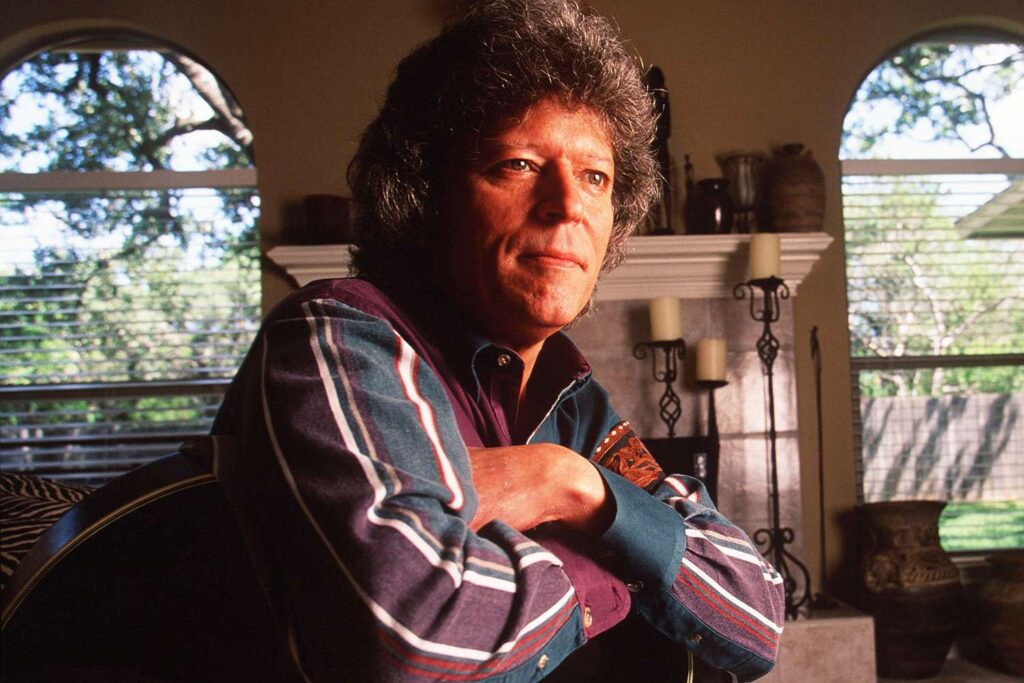
David Allan Coe was never one to shy away from colorful lyrics, but the line from his 1976 classic “Long Haired Redneck” — “Johnny Cash helped me get out of prison, long before Rodriguez stole that goat” — has lived on as one of the strangest and most legendary name-drops in country music. It’s more than a punchline — it’s a half-true, half-mythical nod to the early outlaw spirit of Johnny Rodriguez, a rising star who made as much noise with his voice as he did with his backstory. Who Was Rodriguez? Johnny Rodriguez wasn’t just some name dropped for shock value. By the mid-1970s, he was one of the hottest acts in country music. Born in Sabinal, Texas, Rodriguez had a soulful baritone and a knack for writing honest, aching songs. He was also one of the first Mexican-American artists to break into Nashville’s mainstream, with a string of hits including “You Always Come Back (To Hurting Me)” and the timeless “Ridin’ My Thumb to Mexico.” But what really set him apart — and earned him that immortal mention in Coe’s song — was the infamous goat incident. The Goat Story: Fact and Fiction Here’s how the story goes: at just 18 years old, Johnny Rodriguez was arrested in his hometown of Sabinal for allegedly stealing and barbecuing a goat. Whether he actually did it or not is still debated — some say it was a misunderstanding, others swear it was more prank than crime. What’s clear is that his time behind bars turned into an unexpected stroke of luck. The Texas Ranger who arrested him reportedly heard Rodriguez singing in his cell and was impressed enough to introduce him to a promoter running a local wild west show. That connection led to a gig where Rodriguez caught the attention of none other than Tom T. Hall — a legendary singer-songwriter and storyteller in his own right. Hall was blown away and brought Rodriguez to Nashville. There, he wrote songs for Hall and soon found himself fronting Hall’s band. It didn’t take long for Mercury Records to take notice, and by 1972, Rodriguez had cut his first single. Just a year later, he scored his first number one hit. Coe, Cash, and Country Irony So where does David Allan Coe come in? Coe — a former inmate himself — was carving out his own place in outlaw country when he dropped “Long Haired Redneck” in ‘76. The song is part autobiography, part anthem, and part inside joke. When Coe sings about “Johnny Cash helpin’ me get out of prison,” he’s nodding to the Man in Black’s real-life advocacy for prison reform and his work at places like Folsom and San Quentin. But then comes the curveball: “Long before Rodriguez stole that goat.” It’s Coe at his storytelling best — folding a now-legendary industry tale into a gritty outlaw narrative, blurring the line between myth and memory. It’s funny. It’s odd. And it’s real — the kind of wink only true fans would understand. Final Thoughts Johnny Rodriguez went on to become a respected figure in country, but he never quite shook the goat story — probably because he never tried to. Like Coe, he embraced the messiness of life and let his music speak louder than the headlines. That’s what outlaw country was always about. So next time that line hits your ears, know it’s more than a joke — it’s a strange, true-to-life tale of two country rebels, each chasing freedom in their own wild way.