Flatland Calvary – “Pretty Woman” (Live From The Tetons
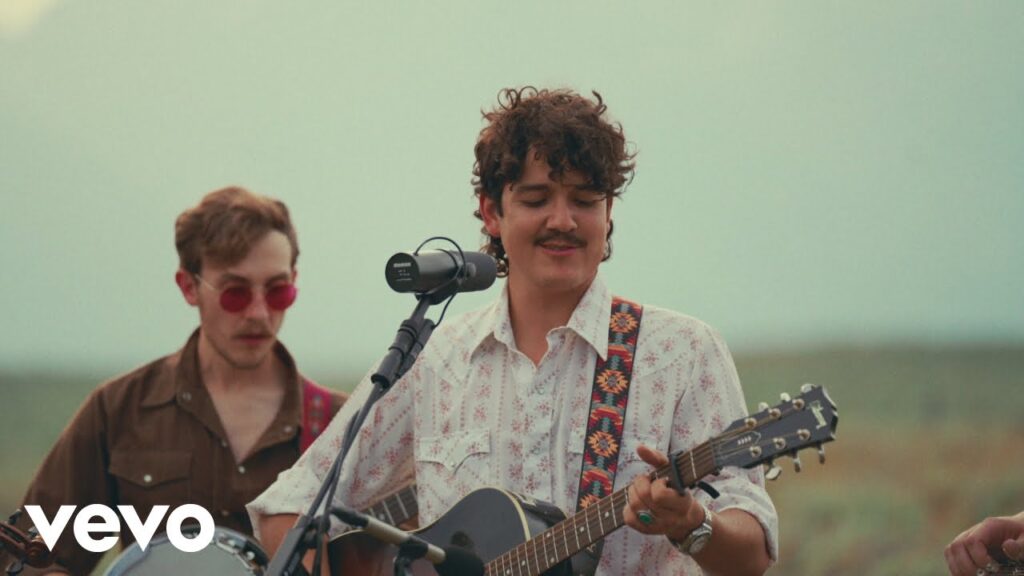
Flatland Cavalry offer a haunting live performance of **“Pretty Women”** during a Teton Sessions shoot—capturing their Texas country roots with untamed mountain air and raw emotion[1][2]. They open in harmony: Cleto Cordero’s voice riding gentle acoustic warmth, violin and guitar weaving like distant train whistle. Then the lyric hits: “Some pretty women are just really sad little girls…” It’s a gut-punch line—tender and jagged, delivered with honest weight against sweeping Tetons backdrop. Visually, the clip is cinematic—natural light, wide frames of mountains, close-ups that catch the players’ sweat and intent. Audio’s fluid and live—no polish, all presence. You hear the dust, the altitude, the band leaning into the moment. Final Verdict: “Pretty Women” live from the Tetons is atmospheric storytelling—rooted in Texas but shot through with mountain mystique. Flatland Cavalry don’t just perform it—they embody it, letting its sadness stretch across the range. It’s easy on the ears and heavy on the heart—exactly as promised. Sources: YouTube – “Pretty Women” (Live from The Tetons) — high-quality live audio/video. Apple Music – “Pretty Women (Teton Sessions)” release context; Flatland Cavalry bio details. Wikipedia – Flatland Cavalry band background and Lubbock/Texas origins.
Flatland Calvary – “Countryman” (Live From The Tetons)
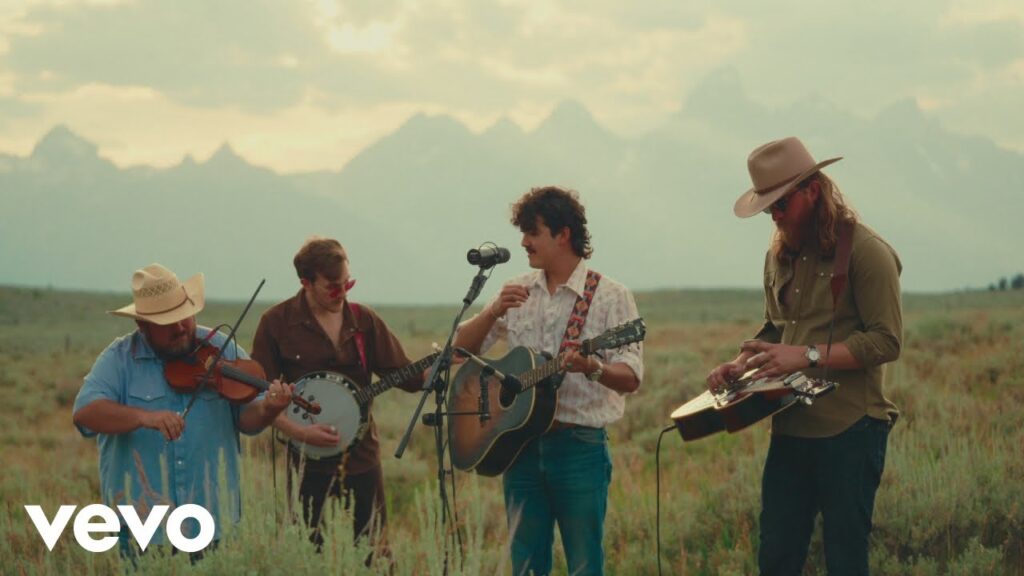
Flatland Cavalry isn’t just playing country music with “Countryman” — they’re putting on a damn masterclass in modern roots storytelling. This live version, recorded against the breathtaking backdrop of the Tetons, blends rugged authenticity with sonic precision. It’s a reminder that some songs don’t just belong to the land — they *come* from it. From the opening strum, “Countryman” hits like a warm wind across an open field. Acoustic guitar carries the melody with easy grace, while Cleto Cordero’s voice rides low and honest, never trying to sell you anything — just telling it like it is. The lyrics are a love letter to those who still shake hands firm, respect the land, and know how to fix a fence and cook a meal. But this version isn’t just about the song — it’s about the setting. Filmed live in the shadow of the Tetons, it adds a visual soul you can’t fake. The camera pans wide to capture not just the band, but the sky, the trees, the stillness. It’s an atmosphere, not a production. And it works. You don’t just hear the music — you *feel* where it’s coming from. Lyrically, the song keeps it grounded: “I may not wear a Stetson or drive a Chevrolet / But I know how to pray and plant a seed.” It’s not about clichés — it’s about the core. It reclaims “country” not as an aesthetic, but as a way of life. And Flatland delivers that message without shouting, without grandstanding — just with heart and harmony. Musically, there’s a purity to it. Fiddle weaves gently through the chords, and the whole band leans into restraint — no flashy solos, no studio trickery. Just real musicians playing real music in a real place. That’s the outlaw spirit right there: authenticity over artifice. Final Verdict: “Countryman (Live From The Tetons)” is a prayer, a postcard, and a quiet act of rebellion against the overproduced noise of today’s country scene. Flatland Cavalry doesn’t just carry the torch for real music — they’re building the fire from scratch. If you needed a reminder that roots run deep and wide, this is it.
Flatland Calvary – “New American Dream”
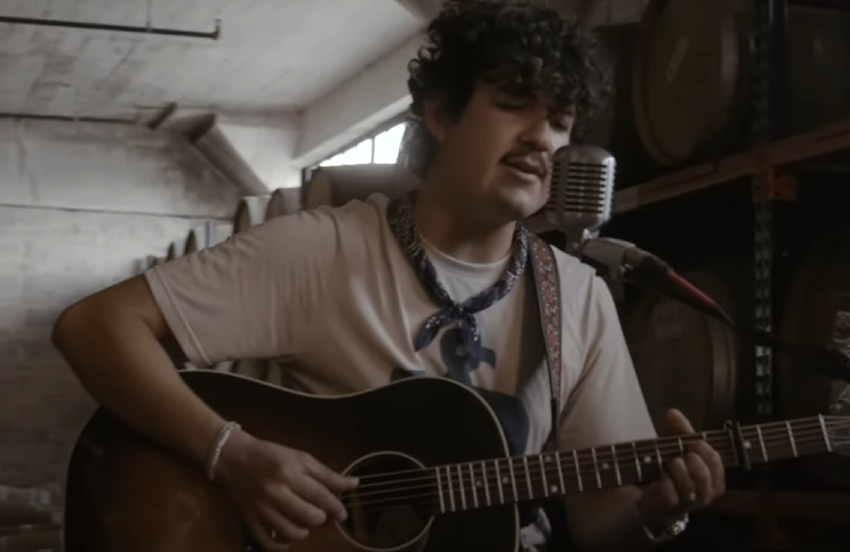
Flatland Cavalry’s “New American Dream” ain’t waving any flags, but it damn sure is saying something worth hearing. It’s not protest music in the conventional sense — there’s no chanting, no rallying cry — but it’s one of the most honest reckonings with modern-day disillusionment to come out of country in years. The song walks that dusty line between nostalgia and reality, laying down the truth like a well-aimed horseshoe across a busted pickup’s hood. Sonically, this one rolls in slow — not mournful, but measured. The guitars shimmer with restraint, like they’re trying not to wake up something ugly. There’s a melancholy woven into the rhythm section, a steadiness that feels more like survival than comfort. This isn’t about giving up; it’s about understanding what got lost. The lyrics bite without barking. “We’ve traded the old American dream for the new one” — it’s a line that hits like a backhand from your grandfather. No lecture, just observation, and somehow that makes it hit harder. They’re not raging against the machine — they’re sighing at the fact that the machine now delivers packages to your porch while you’re drowning in debt and discontent. Flatland Cavalry’s strength has always been subtlety, and they lean into that here. It’s not a song that grabs you by the collar — it slides onto the barstool next to you and starts talking about how things used to be. You find yourself nodding before you even realize you agree. That’s the genius of it. They paint a picture of working-class erosion without turning it into a pity party. The vocals come in warm but worn, full of sincerity and a touch of weariness. You believe the guy singing this works for a living. You believe he’s had the same conversations with his friends, trying to make sense of why everything feels off even when the lights are still on and the bills are paid. And the production? Clean but not slick. There’s room to breathe. You can feel the space between the notes — the places where the American dream used to live. “New American Dream” is the kind of song that’ll never top a chart, but it’ll stick with people longer than most of what does. It’s for anyone who’s looked around and thought, “This ain’t what they promised.” But instead of despair, it offers a kind of gritty grace — an acknowledgment that yeah, maybe the dream changed, but we’re still out here trying to make it mean something. That’s about as outlaw as it gets.