
Charley Crockett – “Bad Company”
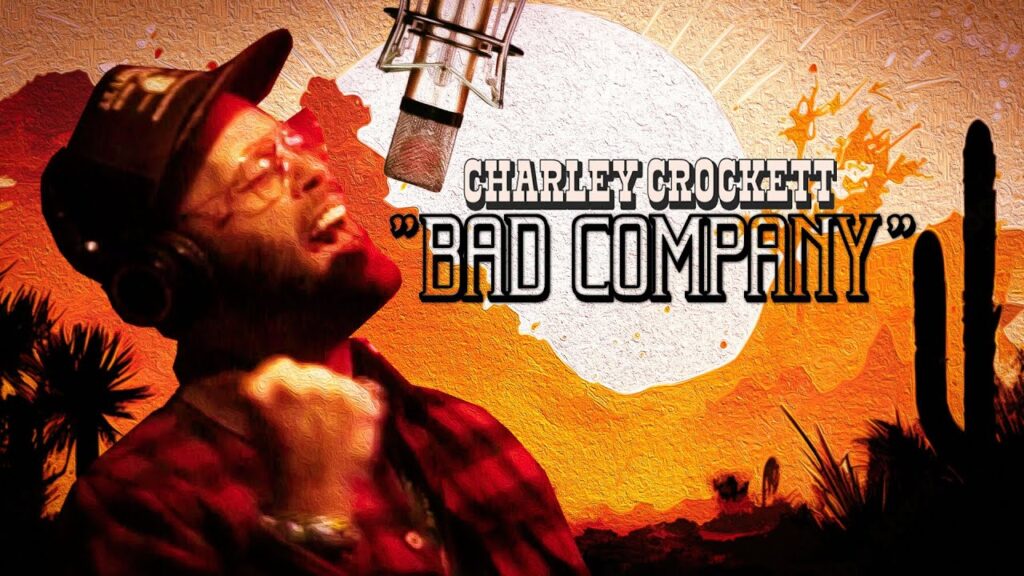
Charley Crockett keeps it real, and that’s what makes “Bad Company” worth a listen.
Charley Crockett – “Tennessee Quick Cash”
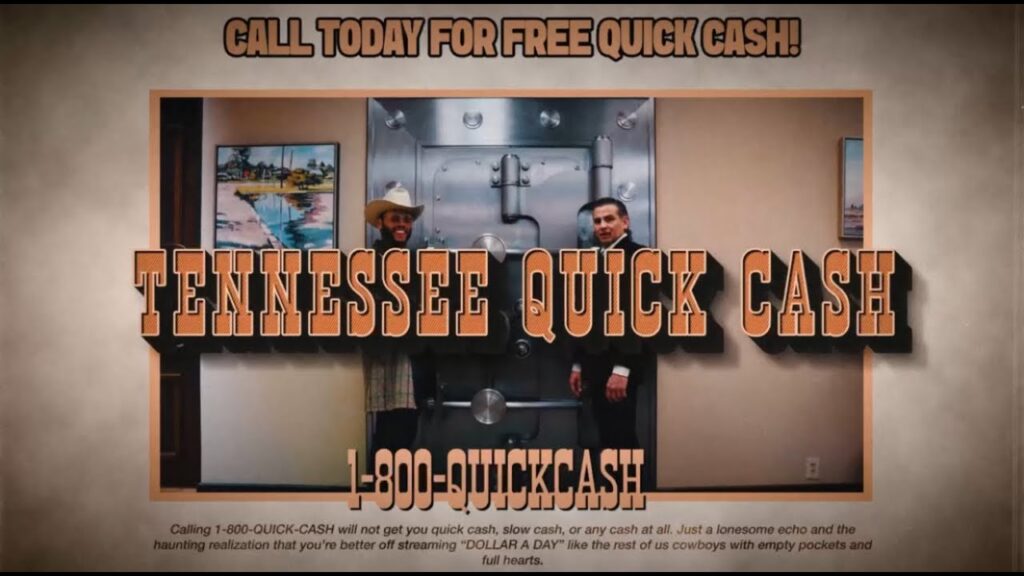
If you’re into roots that taste like bourbon, storytelling that stings, and grins you don’t leave behind—*Tennessee Quick Cash* is your next fix. Charley brings outlaw country into a modern spotlight without losing an ounce of authenticity.
Charley Crockett – “Game I Can’t Win” – Tiny House Concert Series

Charley Crockett – “Game I Can’t Win” – Tiny House Concert Series In the dim glow of the Tiny House Concert Series, the enigmatic Charley Crockett takes the stage, guitar in hand, ready to weave his spellbinding outlaw country magic. Known for his captivating storytelling and raw, authentic sound, Crockett is a true renegade in the modern music landscape. His song, “Game I Can’t Win,” stands as a testament to his prowess in blending traditional country with a modern twist, offering listeners a journey through a world where the stakes are high, and the odds are never in your favor. Charley Crockett’s “Game I Can’t Win” is a haunting ballad that strikes a deep chord with anyone who’s ever felt like they’re fighting a losing battle. The song’s melancholic melody is intertwined with Crockett’s soulful voice, creating a soundscape that is both nostalgic and refreshingly original. In this Tiny House Concert Series performance, Crockett’s charisma is palpable, drawing the audience into his lyrical world as he sings about the struggles and heartaches of life on the fringes. The essence of outlaw music is rebellion, and Charley Crockett embodies this spirit with every strum of his guitar. “Game I Can’t Win” is not just a song; it’s an anthem for those who live life on their own terms, regardless of the consequences. The Tiny House Concert Series provides an intimate setting that perfectly complements Crockett’s style, allowing the raw emotion of his performance to shine through. Crockett’s ability to blend traditional country sounds with his unique, modern edge makes him a standout artist in today’s music scene. “Game I Can’t Win” showcases his knack for storytelling and his deep understanding of the human condition. It’s a song that resonates with anyone who’s ever felt like they were up against insurmountable odds, yet finds solace in the beauty of the struggle. Final Verdict: Charley Crockett’s performance of “Game I Can’t Win” at the Tiny House Concert Series is nothing short of mesmerizing. With his gritty authenticity and undeniable talent, Crockett reaffirms his place as a leader in the outlaw country genre. This is more than just a concert; it’s an experience that captures the essence of what it means to be an outlaw in the modern world. If you haven’t yet been captivated by Charley Crockett, “Game I Can’t Win” is the perfect entry point into his compelling musical universe.
Charley Crockett – “Life of a Country Singer”

Charley Crockett | Life of a Country Singer | Lyric Video The outlaw country scene has long been a haven for authentic, guitar-toting troubadours, and few embody the spirit of the genre quite like Charley Crockett. In his latest release, “Life of a Country Singer,” Crockett channels the raw, unvarnished essence of country music, delivering a lyric video that is as compelling as it is heartfelt. As a modern-day cowboy with a penchant for storytelling, Charley Crockett continues to capture the hearts of country fans everywhere with his genuine lyrics and soulful melodies. This track is a testament to his skill, showcasing his ability to weave intricate tales that resonate deeply with listeners. With “Life of a Country Singer,” Charley Crockett doesn’t just sing a song; he invites you into his world, a world where the dusty trails and honky-tonks come alive with each strum of his guitar. The lyric video serves as a visual journey, enhancing the storytelling prowess that Crockett is known for. Each line is delivered with a sincerity that only a true country artist can muster, painting vivid pictures of life on the road, the struggles, and the triumphs that come with the territory. Charley Crockett’s ability to connect with his audience is second to none, and “Life of a Country Singer” is a shining example of his craft. The song captures the gritty, often romanticized lifestyle of a country musician, highlighting both the highs and the lows in a way that feels both personal and universal. As the lyric video unfolds, viewers are treated to a raw and unfiltered look at the life of Charley Crockett, making it impossible not to get swept up in the emotion of it all. In an era where much of mainstream music seems polished to perfection, Charley Crockett’s “Life of a Country Singer” stands out as a refreshing reminder of what country music is all about. It’s about storytelling, authenticity, and connecting with the listener on a deeper level. Crockett’s unmistakable voice, combined with his knack for crafting compelling narratives, ensures that this track will be a staple in the playlists of country music aficionados for years to come. Final Verdict Charley Crockett’s “Life of a Country Singer” is more than just a song; it’s an experience. The lyric video elevates the track to new heights, offering a glimpse into the life of one of country music’s most authentic voices. If you’re a fan of true, unfiltered country music, then this is a must-watch. With its captivating storytelling and Crockett’s undeniable charm, “Life of a Country Singer” is sure to leave a lasting impact. Don’t miss out on this journey into the heart and soul of Charley Crockett.
Charley Crockett – “All Around Cowboy”
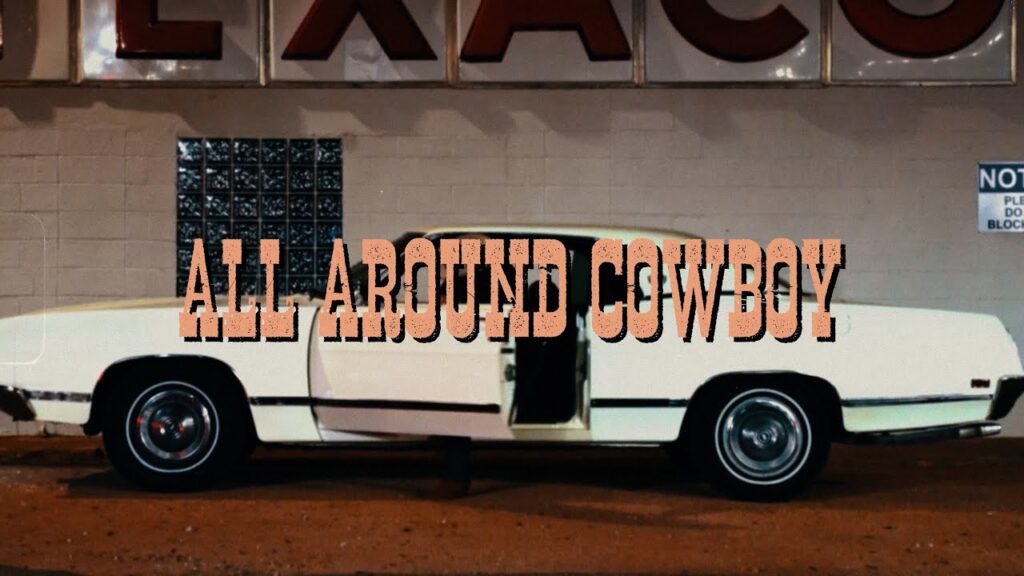
Charley Crockett – “All Around Cowboy” (Official Visualizer) Charley Crockett takes on the outlaw classic **“All Around Cowboy”**, delivering a gritty cover that echoes Waylon Jennings’ spirit while rooted firmly in Crockett’s own raw baritone[1][2]. [outlaw_events] A New Tell-On-Life Rendition Opening with a steady drum and gritty guitar edge, Crockett spins lyrics with palpable wear—“He was an ‘All Around Cowboy’ back in ’89… since the whiskey and the women started winning, they rode him high and hard to the ground.” His performance feels like a dusty Texas tavern confession, a warning wrapped in a melody[1]. Where Classic Meets Contemporary This isn’t just a cover—it’s homage. Originally penned by Jack Lester Routh and Lendell Pollard and famously recorded by the likes of Johnny Cash and Waylon Jennings, Crockett’s version marries traditional outlaw grit with modern storytelling. Produced by Shooter Jennings, the arrangement stretches melancholic nostalgia over the classic Western motif[1][3]. Performance and Video Style The visualizer is minimal: close‑up shots of Crockett in low lighting, the focus pulled inward. It’s stark, real, and unfiltered—letting the voice do the talking. Audio captures each vocal nuance—grainy, lived‑in, authentic. Why It Hits Hard Crockett doesn’t just cover “All Around Cowboy”—he relives it. The song becomes a cautionary tale of how fame and fortune can ride a man down. This single stands out for its thematic weight and honesty, showing why Crockett’s music continues to resonate with both modern listeners and traditional outlaw fans alike[1][3]. Final Verdict “All Around Cowboy” proves that Charley Crockett knows how to walk the razor’s edge between tribute and transformation. It’s soulful, cinematic, and strikingly human—the kind of cover only someone with road-worn stories could pull off. References Whiskey Riff — noted Waylon Jennings influence and new single release. antiMusic — lyrical context and delivery description. Wikipedia — Charley Crockett background, genre notes.
Charley Crockett – Night Rider
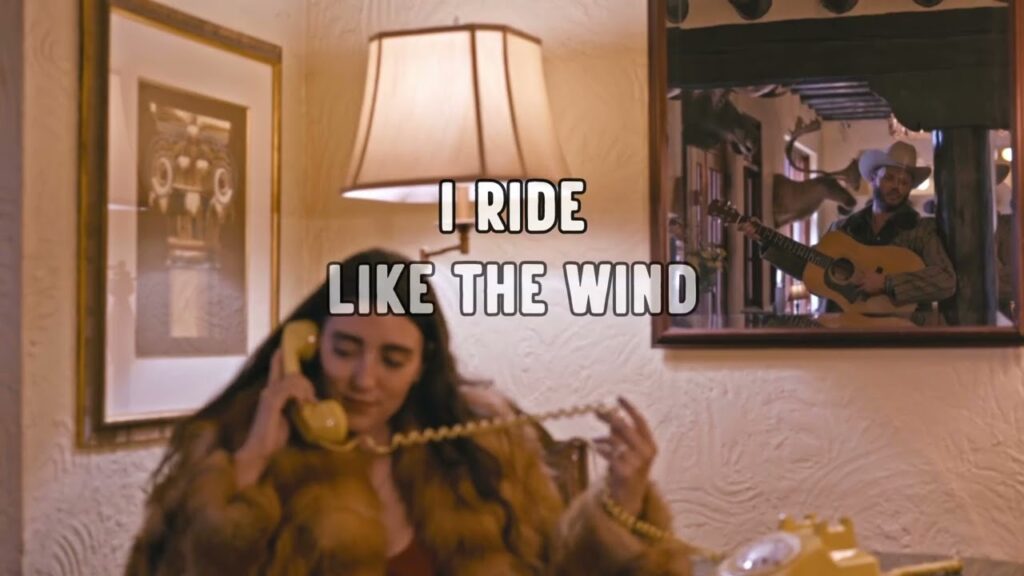
Charley Crockett slides into the shadows with “Night Rider,” a dusty outlaw noir track that rides low and mean beneath a blanket of desert stars. It’s the kind of song you’d hear pouring out of a dive bar jukebox just before closing time — bluesy, dangerous, and slick with sweat and secrets. [outlaw_events artist=”Charley Crockett”] From the first few notes, “Night Rider” oozes style. It’s part Spaghetti Western, part Texas blues, and 100% Charley Crockett. The horns moan like a ghost train, the rhythm section lopes like a tired outlaw horse, and Crockett’s voice — gritty, sly, and smooth — carries it all like a man who’s been running from something longer than he can remember. Lyrically, it’s as much about mystique as it is about motion. “I’ve been runnin’ down that old highway / chasin’ what I’ll never find,” he sings, and you believe every word. This isn’t about getting somewhere — it’s about staying one step ahead of the past, the law, or maybe your own demons. It’s outlaws with dust in their boots and ghosts in their rearview. The song doesn’t need a big hook or a flashy chorus — its groove is the hook. It hypnotizes you, pulls you into its slow-motion chase, and leaves you wanting another mile or two of road just to see what’s around the next bend. The music video enhances that mystique with vintage grit — shots of Crockett under neon signs, long highways, smoky shadows, and looks that say more than the lyrics ever could. It’s a vibe more than a narrative, but it works perfectly. It feels like you’re watching the end credits of a Western that never needed a beginning. Final Verdict: “Night Rider” is a lesson in atmosphere, swagger, and the kind of cool you can’t fake. Charley Crockett doesn’t just wear the outlaw label — he *embodies* it. This track doesn’t blaze down the highway — it cruises slow, lights low, pistol loaded, and no intention of stopping for anyone.
Charley Crockett – “Dead Or Alive” (Woody Guthrie Cover)
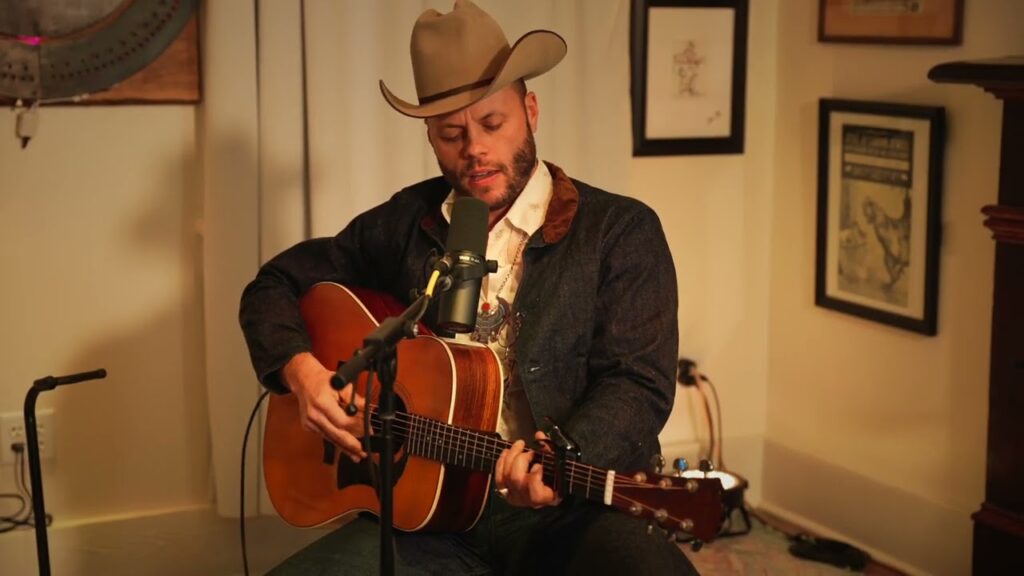
Charley Crockett has a knack for pulling the past into the present without losing a speck of its soul. His take on Woody Guthrie’s “Dead or Alive” proves that outlaw music ain’t just about attitude — it’s about preservation. The song is pure Western folklore — a man condemned to roam, hunted by fate and forces beyond his control. Charley doesn’t just sing it; he embodies it. His voice is dusty and smooth like a Texas highway after sundown, and his band brings the perfect backdrop of frontier twang and rolling rhythm. The video leans hard into sepia-toned nostalgia. It’s part cowboy poem, part ghost story. Wide desert shots, outlaw posturing, and Charley staring down the lens like he’s already read your obituary. This one’s for the real roots-heads. A song passed down, not reimagined — just respected. And Outlaw Circus salutes that kind of honesty.
Charley Crocket – “Game I Can’t Win”
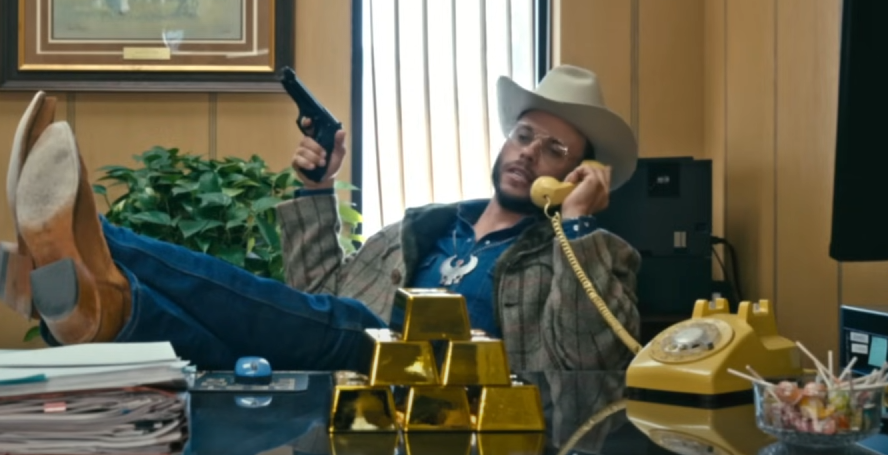
“Game I Can’t Win” might just be Charley Crockett’s quietest declaration of war — not against a person, but against fate itself. The track rides in slow, like a dust-covered cowboy too tired to make a scene, but too stubborn to stay down. It’s the sound of acceptance dressed in rhinestones, sorrow carried in the back pocket of a pearl snap shirt. Crockett, as always, isn’t singing for the radio. He’s singing for the forgotten folks, the in-betweeners — too country for the city, too strange for the mainstream, too honest to lie to themselves. “Game I Can’t Win” feels like a letter found in a glovebox — written in blue ink, full of regret, with the words smeared just enough to know it was real. The production is stripped down to the essentials: a lonesome steel guitar weeping behind a minimalist rhythm section, while Charley’s voice — part Texas drawl, part Memphis soul — glides over it all with a calm, haunted grace. You get the sense he’s not trying to impress you. He’s just trying to tell the truth without falling apart. Lyrically, Crockett taps into something universal: that feeling of giving everything you’ve got to a game that was rigged from the start. Whether it’s love, life, or trying to make art in a world that doesn’t always reward the real stuff, he captures the ache without ever whining. Lines like “I can’t bluff, and I can’t fold / Still I play it just the same” hit harder than a breakup — because they’re not just about romance. They’re about endurance. And that’s the outlaw spirit at the heart of this track. Not the flashy rebellion, not the bar fights or the outlaw hats — but the internal resistance. The quiet refusal to let disappointment turn you bitter. There’s no resolution here, no rise to triumph. Just a man, his guitar, and the knowledge that he’ll be back at the table tomorrow even if he’s losing his shirt. Charley’s voice does the heavy lifting — worn and weary, but smooth like whiskey left out in the sun. It’s a voice that’s been places, that knows better, but still gets up to sing. “Game I Can’t Win” is less a song and more a moment — the part in the movie where the hero doesn’t save the day, but instead sits on the porch and watches it burn. And somehow, that feels more honest than any victory.