Sierra Ferrell – “Dollar Bill Bar”

Sierra Ferell – “Dollar Bill Bar” In “Dollar Bill Bar,” Sierra Ferrell invites us into a neon-lit haunt where heartbreak’s been on tap for decades. It’s a jukebox joint soaked in character — and the kind of place where the regulars know every note before the first chord lands. Ferrell walks through it all like a ghost with a tambourine, barefoot on the broken floorboards of American roots music, carrying the weight of a past she sings through instead of about. The song opens with a loping groove and dusty fiddle, but Sierra’s voice does the heavy lifting. She doesn’t just sing — she glides, like someone who’s been watching the barflies from a corner booth for too long. There’s a theatrical sparkle in the way she bends vowels, a kind of jazzy Appalachian slur that feels both vintage and alien at once. In lesser hands, it might be kitsch. With Ferrell, it’s barroom gospel. Lyrically, “Dollar Bill Bar” lives somewhere between a smirk and a sob. She sings about desperation with a wink, wrapping working-class heartache in rhinestone humor. The title itself is a hell of a metaphor — the kind of place where the currency is thin, cheap, and crumpled, just like the dreams that pass through the door every night. “Trail of Flowers,” the album it rides in on, might carry the scent of hope, but this track is where those flowers get stomped under boot heels and spilled bourbon. Production stays smartly out of the way, letting old-world instrumentation do the talking — upright bass, brushed snare, maybe even a saw sneaking around the edges. It’s a throwback, sure, but not cosplay. Ferrell isn’t mimicking tradition — she’s haunting it. There’s a sweet sadness in this one, but also a shrug — like she knows there’s no use trying to change the scene, so she’ll just write a damn good verse about it instead. If country music is a church, “Dollar Bill Bar” is the dive bar confessional out back, where the sinners know more about grace than the preachers ever will.
David Allan Coe – “Willie, Waylon And Me”
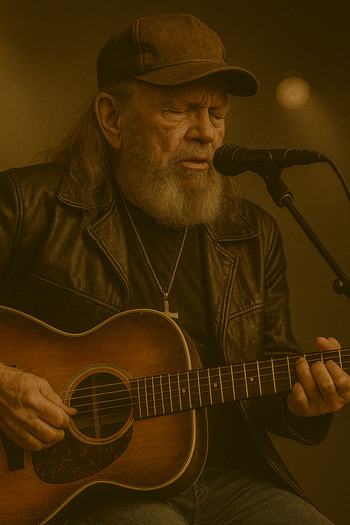
If there’s ever been a barroom Bible verse for the outlaw country gospel, it’s “Willie, Waylon and Me.” David Allan Coe didn’t just write a song — he etched his name into the damn outlaw constitution with this one. It’s a declaration of independence, a rebel’s roll call, and a backhanded love letter to the Nashville system that never quite knew what to do with a man like Coe. The song kicks in like a slow burn — spoken word over a steel guitar simmer — before Coe starts dropping names like a man tossing lighters into gasoline. “Willie and Waylon and me” isn’t just a trio. It’s a movement. It’s code for artists who didn’t just push boundaries — they kicked ‘em down and poured bourbon on the wreckage. Musically, the track is deceptively simple: a laid-back Southern groove, steel and electric guitars weaving between each other like two old friends at a late-night jam. But the real weight here is in the delivery. Coe’s voice is like a busted bottle — sharp on the edges, but damn if it doesn’t pour out smooth. He’s not just telling a story; he’s issuing a challenge. He recounts his own outsider’s journey — the Nashville politics, the backhanded compliments, the circuitous route through biker bars and prison stages. And he does it with a swagger that teeters right on the edge of self-parody, but somehow never falls. That’s part of Coe’s strange magic — he could tell you he invented country music, and you’d still want to buy him a drink afterward. There’s a lot of myth-making here, sure. But in outlaw country, myth is the music. What matters is that you believe it when it’s playing — and Coe makes damn sure you do. When he name-drops “The Mysterious Rhinestone Cowboy,” he’s not just referencing an old character — he’s reminding you that before the mainstream took a shine to weird, he was already out there, rhinestones and all, playing to rooms that didn’t know what hit ‘em. “Willie, Waylon and Me” is less about those two legends and more about carving space beside them — demanding to be heard, even if the world isn’t asking. It’s a boot to the chest of country conformity, and a reminder that sometimes the best music comes from the ones too wild to tame. It’s not humble. It’s not clean. But it’s damn sure outlaw.
Flatland Calvary – “New American Dream”
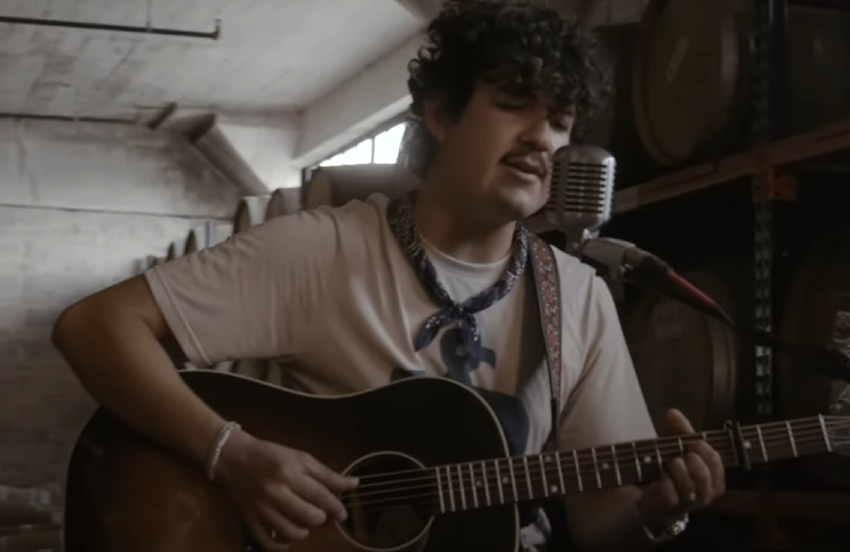
Flatland Cavalry’s “New American Dream” ain’t waving any flags, but it damn sure is saying something worth hearing. It’s not protest music in the conventional sense — there’s no chanting, no rallying cry — but it’s one of the most honest reckonings with modern-day disillusionment to come out of country in years. The song walks that dusty line between nostalgia and reality, laying down the truth like a well-aimed horseshoe across a busted pickup’s hood. Sonically, this one rolls in slow — not mournful, but measured. The guitars shimmer with restraint, like they’re trying not to wake up something ugly. There’s a melancholy woven into the rhythm section, a steadiness that feels more like survival than comfort. This isn’t about giving up; it’s about understanding what got lost. The lyrics bite without barking. “We’ve traded the old American dream for the new one” — it’s a line that hits like a backhand from your grandfather. No lecture, just observation, and somehow that makes it hit harder. They’re not raging against the machine — they’re sighing at the fact that the machine now delivers packages to your porch while you’re drowning in debt and discontent. Flatland Cavalry’s strength has always been subtlety, and they lean into that here. It’s not a song that grabs you by the collar — it slides onto the barstool next to you and starts talking about how things used to be. You find yourself nodding before you even realize you agree. That’s the genius of it. They paint a picture of working-class erosion without turning it into a pity party. The vocals come in warm but worn, full of sincerity and a touch of weariness. You believe the guy singing this works for a living. You believe he’s had the same conversations with his friends, trying to make sense of why everything feels off even when the lights are still on and the bills are paid. And the production? Clean but not slick. There’s room to breathe. You can feel the space between the notes — the places where the American dream used to live. “New American Dream” is the kind of song that’ll never top a chart, but it’ll stick with people longer than most of what does. It’s for anyone who’s looked around and thought, “This ain’t what they promised.” But instead of despair, it offers a kind of gritty grace — an acknowledgment that yeah, maybe the dream changed, but we’re still out here trying to make it mean something. That’s about as outlaw as it gets.
Charley Crocket – “Game I Can’t Win”
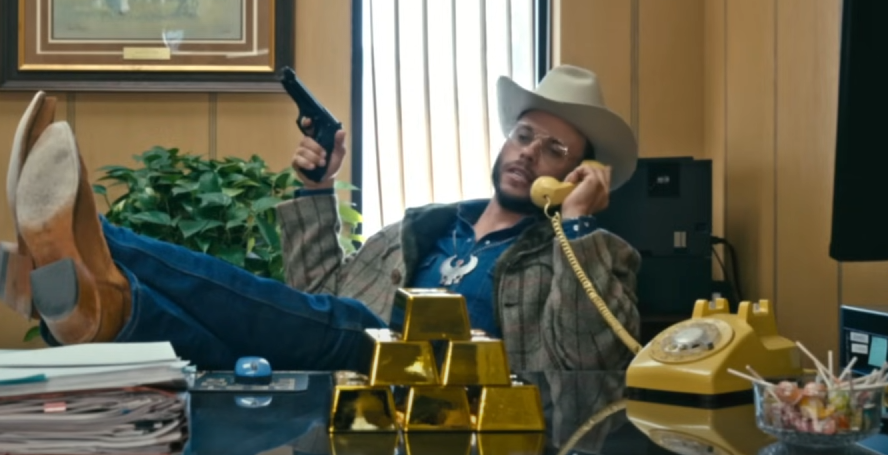
“Game I Can’t Win” might just be Charley Crockett’s quietest declaration of war — not against a person, but against fate itself. The track rides in slow, like a dust-covered cowboy too tired to make a scene, but too stubborn to stay down. It’s the sound of acceptance dressed in rhinestones, sorrow carried in the back pocket of a pearl snap shirt. Crockett, as always, isn’t singing for the radio. He’s singing for the forgotten folks, the in-betweeners — too country for the city, too strange for the mainstream, too honest to lie to themselves. “Game I Can’t Win” feels like a letter found in a glovebox — written in blue ink, full of regret, with the words smeared just enough to know it was real. The production is stripped down to the essentials: a lonesome steel guitar weeping behind a minimalist rhythm section, while Charley’s voice — part Texas drawl, part Memphis soul — glides over it all with a calm, haunted grace. You get the sense he’s not trying to impress you. He’s just trying to tell the truth without falling apart. Lyrically, Crockett taps into something universal: that feeling of giving everything you’ve got to a game that was rigged from the start. Whether it’s love, life, or trying to make art in a world that doesn’t always reward the real stuff, he captures the ache without ever whining. Lines like “I can’t bluff, and I can’t fold / Still I play it just the same” hit harder than a breakup — because they’re not just about romance. They’re about endurance. And that’s the outlaw spirit at the heart of this track. Not the flashy rebellion, not the bar fights or the outlaw hats — but the internal resistance. The quiet refusal to let disappointment turn you bitter. There’s no resolution here, no rise to triumph. Just a man, his guitar, and the knowledge that he’ll be back at the table tomorrow even if he’s losing his shirt. Charley’s voice does the heavy lifting — worn and weary, but smooth like whiskey left out in the sun. It’s a voice that’s been places, that knows better, but still gets up to sing. “Game I Can’t Win” is less a song and more a moment — the part in the movie where the hero doesn’t save the day, but instead sits on the porch and watches it burn. And somehow, that feels more honest than any victory.
Yelawolf – “Pop The Trunk” – The Gunmetal Gospel of Outlaw Rap
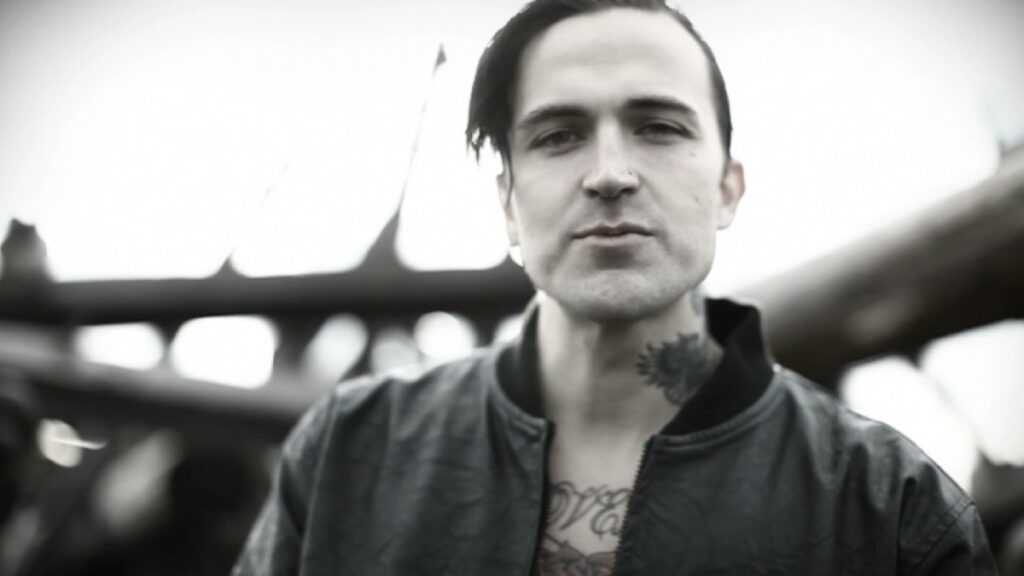
Some songs are made for radio. Others are made for rebellion. “Pop The Trunk” by Yelawolf is the latter—a shotgun-blast sermon from the backroads of Alabama, with zero interest in appeasing any corporate ears. This ain’t Nashville. This ain’t Atlanta. This is dirty Southern steel, where the bass crawls and the stories cut deep. Released off Yela’s Trunk Muzik 0-60 project, “Pop The Trunk” is more than a track—it’s a manifesto. The beat lurks like something out of a gothic Southern noir, all doom-rattle and molasses-thick menace. His delivery? Cold, calculated, and clinical. This is a man exorcising ghosts with every syllable. The lyrics bleed autobiography: “My mama stayed up every night / Her knuckles white / She gripped that Louisville tight.” Every line is a window into a childhood forged by chaos and survival. This isn’t about flexing wealth or women—this is about blood, loyalty, and the sound of metal sliding into a chamber. Yelawolf doesn’t just walk the outlaw line—he paves it. With storytelling sharper than barbed wire and a flow soaked in gasoline, he proves that outlaw rap isn’t a trend—it’s a reckoning. The video doubles down: grainy, haunted, all flickering porch lights and frostbitten concrete. You can feel the cold. In a genre too often diluted with party anthems and industry puppets, “Pop The Trunk” is a rare breed. It doesn’t entertain. It testifies. It reminds us why outlaw rap matters—because some stories demand to be told, even if it makes the suits uncomfortable. If you’re mapping the DNA of the outlaw rap movement, start here. This is the trunk. Everything else is riding in the back. Lyrics that hits like a hammer: “I just seen a man die on the front porch / With a bottle full of liquor and a pistol in his waistband.” Outlaw Circus salutes this one. Keep your ears dirty and your heart honest.
49 Winchester – “Hillbilly Happy”
There’s something unholy and irresistible about “Hillbilly Happy” by 49 Winchester — a track that sounds like it was cooked up somewhere between a Waffle House parking lot and a midnight moonshine run. It’s got the scent of sweat and salt water, as if the boys packed up their banjos, their sins, and their cooler, and headed to the beach without ever leaving the holler. This ain’t your mama’s country music. Hell, it ain’t even your cousin’s. This is porchlight outlawism in its rawest, most grinning form. Right out the gate, you feel that bounce. The groove’s got a summer-fat swagger to it, like it’s been drinking beer since breakfast and still somehow keeps its rhythm. The guitars slide in like old friends, picking and grinning like they know every bad decision you’ve ever made — and they’re still proud of you. The vocals? Pure small-town joy with just enough sarcasm to let you know there’s wisdom behind the laugh. Lyrically, 49 Winchester is doing something clever here. “Hillbilly Happy” ain’t just a nod to a band or a highway — it’s a metaphor for getting the hell out of dodge without ever actually leaving. This is about escape that lives inside your own attitude. They don’t need a plane ticket or a five-star hotel. Give ‘em a pontoon, a cooler full of domestic beer, and a Bluetooth speaker blaring the sounds of freedom, and you’ve got yourself a hillbilly vacation. There’s a lot of outlaw country that leans heavy into the hurt, the heartache, the grit. But this song reminds us that sometimes the most rebellious thing you can do is have a good damn time. It’s not pretending the pain isn’t there — it’s just choosing to dance with it in a pair of muddy flip-flops. The production is clean but not polished, like a vintage truck with a fresh oil change but the same old dents. There’s a joy in the imperfections — the little twangs, the slightly-off harmonies, the way the beat doesn’t quite care what the metronome says. In the end, “Hillbilly Happy” feels like a postcard from the wrong side of the tracks, sent by someone who wouldn’t trade places with you if you paid ‘em. It’s outlaw country at its most playful, its most unbothered, and its most infectious. You can almost hear the waves crashing against the dirt road.
Hard‑Headed Woman: Margo Price’s Return to Grit and Grace
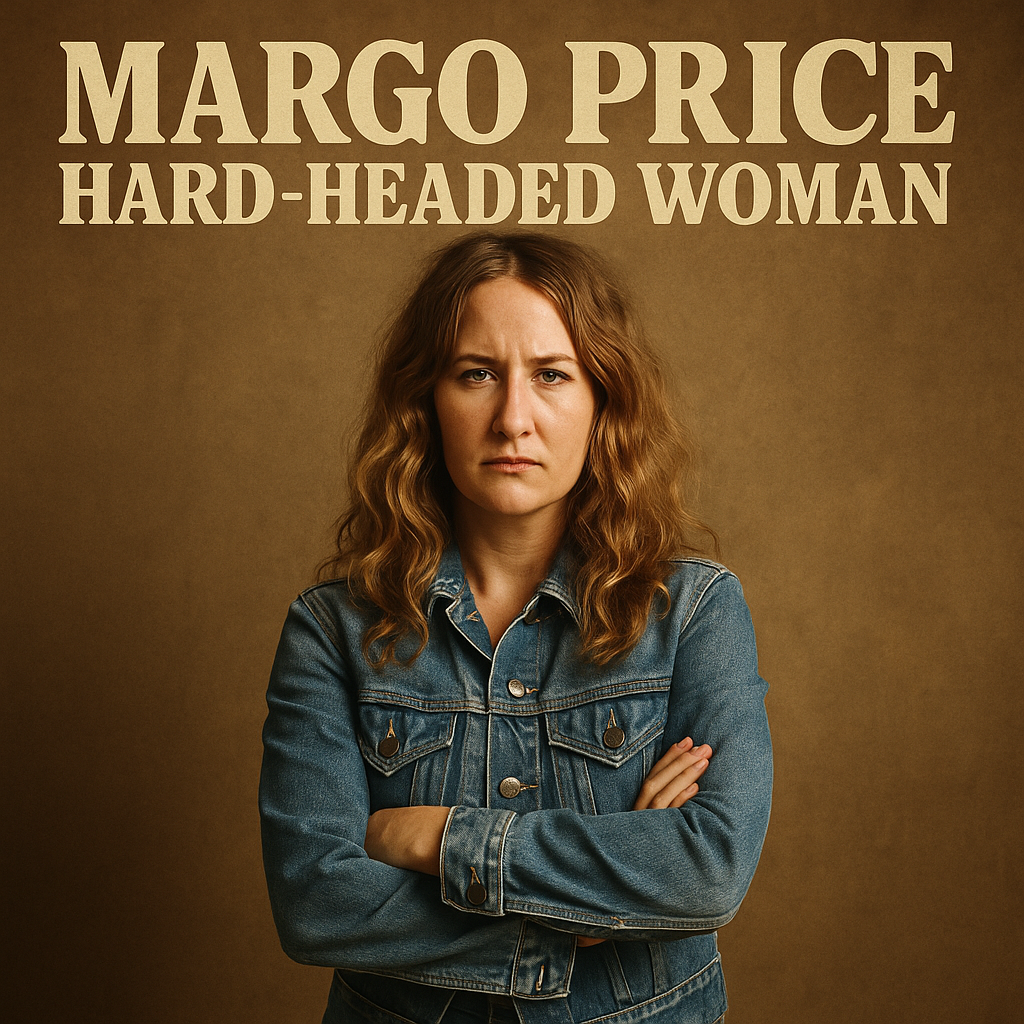
Margo Price steps back into the ring with “Hard‑Headed Woman,” and damn if she isn’t wearing her heart on her sleeve—lace‑trimmed, of course—while staring down life’s hard truths. The titular track and its lead single, “Don’t Let the Bastards Get You Down,” landed June 10, a clarion call of resilience and grace under fire. Recorded in the legendary RCA Studio A with Matt Ross‑Spang at the helm—a room that’s heard John Prine and Loretta Lynn before her—this record is both a place and a statement. She’s returned to Nashville soil, but with a posture that says, “I ain’t your watered‑down country cookie.” This is barroom gospel for anyone who’s ever woken up with a busted heart and their moral compass still intact. What it sounds like: acoustic foot stomps like a pickup backfiring in the dead of night, pedal steel wailing like the devil’s ads for temptation, and a voice that’s seen the bottom and chose to keep climbing. Tracks like “Red Eye Flight” and “Love Me Like You Used to Do” (duet with Tyler Childers) carry the freight of life lived on the rough edges. “Don’t Let the Bastards Get You Down” kicks off with a line that feels like a vintage Johnny Cash barroom decree—told to her by Kris Kristofferson himself—and evolves into a rally for every underdog who’s earned grit over gloss. It’s an anthem for scrappers and rooters, the kind who keep their heads up and noses clean—even when the walls are closing in. “I don’t owe you f*cking shit”—that moment when Margo spits truth, she earns every damn syllable. Why it fits the outlaw vibe: Because it’s real. This isn’t a polished product of corporate Nashville—this is Nashville filtered through Price’s own broken glass and bruised lungs. She’s reclaimed her lane, reassembled her band from scratch, and laid it all out on 12 tracks that demand you listen. Life in “Hard‑Headed Woman” doesn’t promise to be easy. There’s dirt‑road heartbreak and broken hope—but it’s also the sound of someone refusing to go quiet. Price is back with her spit‑and‑sawdust swagger, giving voice to a generation craving songs with backbone. Final Verdict Here’s the trimmed‑down truth: Hard‑Headed Woman is Price’s most defiant record yet—equal parts strength and soul, with a voice that rings like freedom. It’s not just a return to form—it’s a statement of unbreakable intent. Stick to values, keep your nose clean, and let the bastards learn you’re harder to break than they thought.
Tyler Childers – “Nose On The Grindstone”
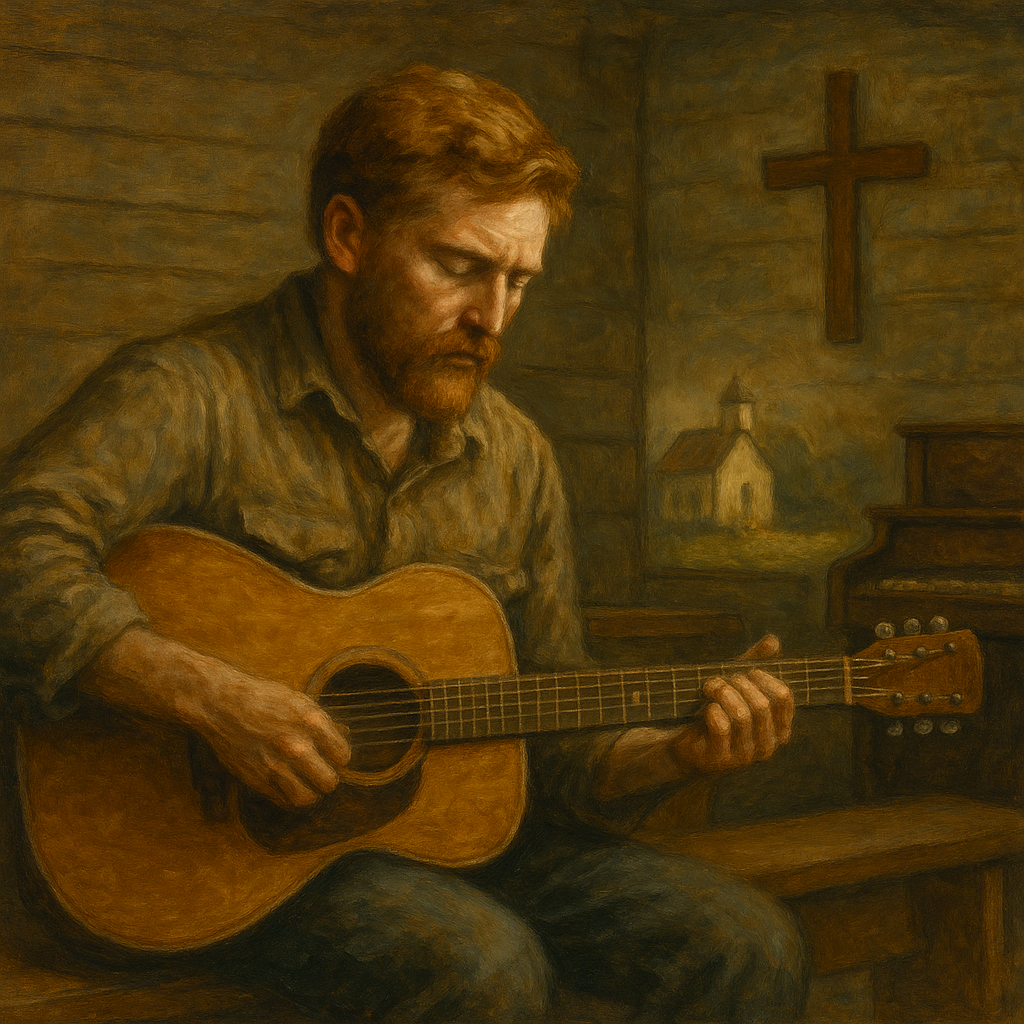
🪓 The Lyrics: Rough Wisdom & Quiet Pleas From the first line—“Daddy worked like a mule mining Pike County coal”—Childers plants us right in the Appalachian clay. This isn’t just a place, it’s a mentality. The song unfolds like an old family Bible passed down, not polished but smudged with calloused hands and cigarette burns. 🎧 Tyler Childers – “Nose On The Grindstone” Album: Snipe Hunter (out July 25, 2025) The heart of the song is the refrain: “Keep your nose on the grindstone and out of the pills” It’s classic hard-ass advice, but not without tenderness. What makes it sting is the undercurrent of hypocrisy: Childers sings like someone who wants to live by these words, but can’t quite outrun the demons himself. Another lyrical highlight: “Your life’s bound to hell with a handbasket full of regrets” The image is heavy—biblical, even—and the delivery is weary, like someone trying to pass on advice before it’s too late. There’s no moral high ground here, just survival and self-awareness. 🔧 The Production: Minimalism as a Message Produced by Rick Rubin and Nick Sanborn of Sylvan Esso, the song is stripped down to acoustic guitar, vocals, and a softly breathing organ. Guitar: Rooted in a simple fingerpicked progression—nothing flashy, just rhythm and truth. It feels like work boots on wood floors. Organ: Subtle and sacred, it adds warmth and weight without overpowering. Reddit fans note how it recalls old-time country churches. Vocals: Raw and unprocessed. Tyler isn’t trying to sound perfect—he’s trying to sound real. This version is far more intimate than earlier cuts. You can hear the original live version from 2017, but this take feels more world-weary, more confessional. 🧱 Song Comparisons: Where It Belongs If you like “Nose On The Grindstone,” you’re probably walking the same road as these other soul-worn anthems: Sturgill Simpson – “Living The Dream” Another hard-truth confessional, full of sarcasm and sadness. (See our review coming soon.) Jason Isbell – “Elephant” The vulnerability in Isbell’s lyrics mirrors the honesty of Childers. Chris Knight – “Down the River” Lyrically gritty with a vengeance; speaks to small-town lawlessness and fatalism. These aren’t polished pop tracks—they’re dirt-under-the-nails songs, for folks who’ve made peace with the struggle but never stopped wrestling it. ⛪ Final Take: Hymn for the Hurting This ain’t just another acoustic number. “Nose On The Grindstone” feels like something a tired old man whispers after the funeral of someone who didn’t make it out. It’s filled with advice we can’t follow, truths we ignore, and the kind of music that doesn’t fix your life—but understands it. If this is any sign of what’s coming on Snipe Hunter, July 25 is going to hit like a baptism and a reckoning all in one. Spencer Cox Outlaw Circus Grit. Grace. FM After Midnight.
Crobot “Obsidian”
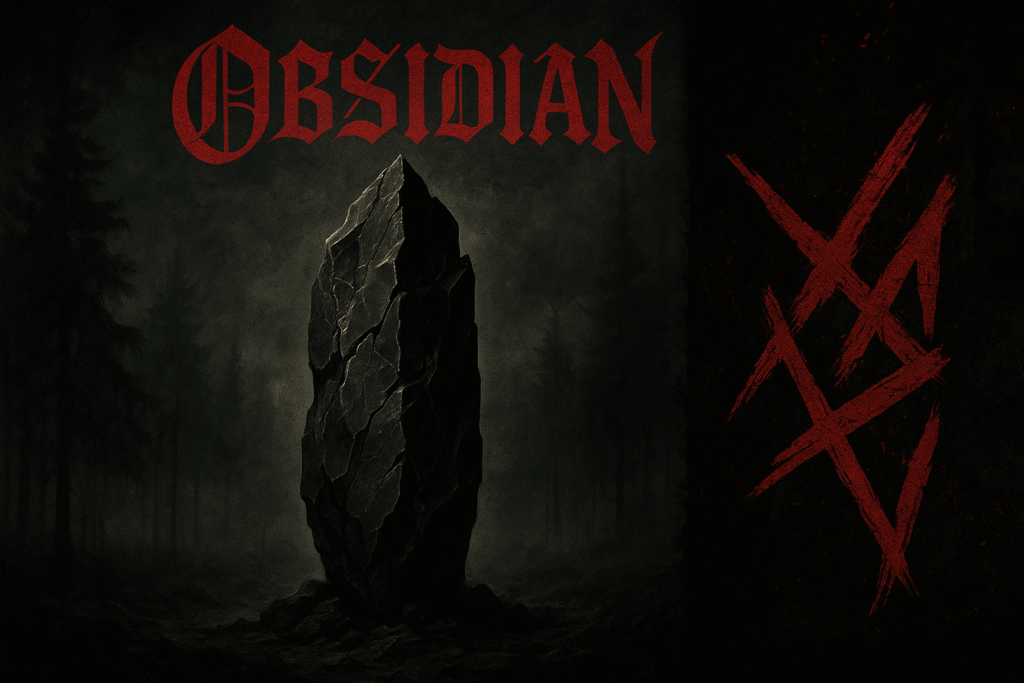
Crobot – Obsidian: A Black-Honed Rock Rebirth Obsidian, Crobot’s fifth LP, marks a powerful evolution in their sonic journey—an electrifying dive into gritty, riff-heavy territory. Recorded in Austin and self-produced, band members Brandon Yeagley and Chris Bishop lean into atmospheric metal while retaining their signature swagger. The album opens with its title track, a crushing blast of dark-soaked riffs and Yeagley’s impassioned howl. It’s raw, propulsive, and instantly compelling—a true statement of intent. “Nothing” continues the momentum, sliding between anthemic choruses and relentless groove, punctuated by the line “We all bleed so we can feel alive,” a fitting outlaw mantra. Then comes “Come Down,” the record’s heaviest moment, reminiscent of Alice In Chains in its smoky weight. The double-bass chugs, sonic layering, and bone-driven delivery prove Crobot are digging deeper into metallic territory without losing their accessibility. Tracks like “Ancient Druid Crown” and “Head of the Beast” showcase diverse riff textures, merging stoner rock with 90s grunge depth. The stand-out “Happiness” flips the script—an unexpected closing power ballad that showcases true range: softer, yet heartfelt, guitar-led, and emotionally resonant. It highlights the growth Yeagley and Bishop bring as songwriters. Production by Alberto De Icaza packs clarity and weight—nothing buried, everything heavy yet polished. Obsidian leaves listeners with tingling anticipation—this isn’t a rock record; it’s a statement of intent that’s atmospheric, muscular, and unapologetically rebellious. Verdict: A late-night jam with riffs that roar, vocals that soar, and a surprise emotional payoff. Obsidian carves Crobot’s mark in 2025 rock—not retro, but forward-pushing, dark-hued, and defiantly real.
Zach Bryan – “Poems And Closing Time”
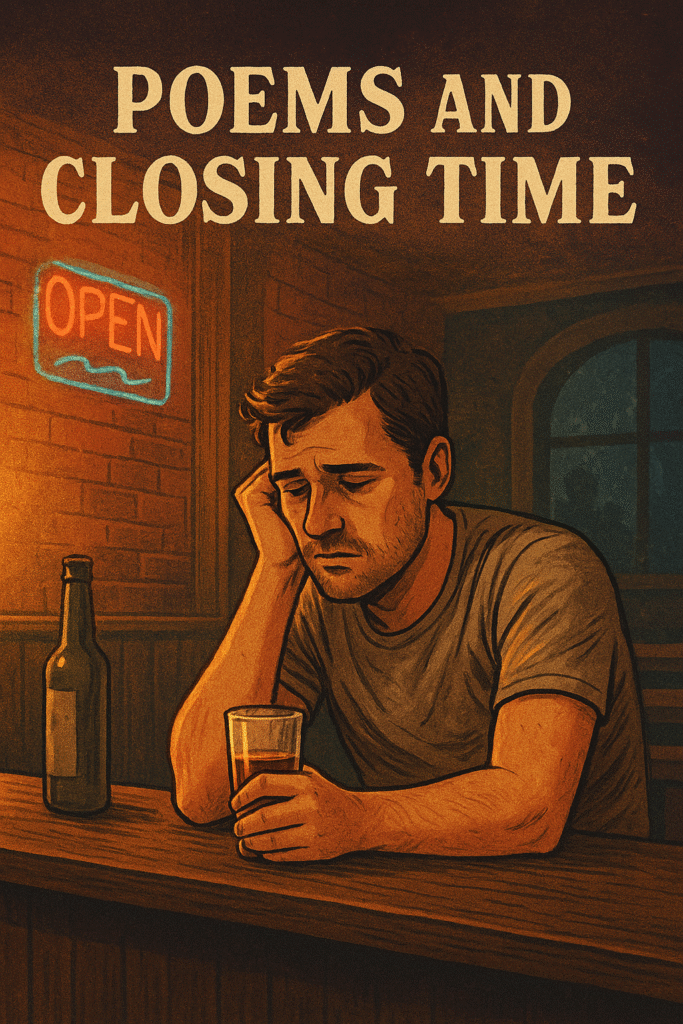
Zach Bryan’s “Poems and Closing Time” is a masterclass in musical contradiction — a song that dances like it’s in love, but bleeds like it’s been abandoned. It’s upbeat on the surface, with warm acoustic strums and Bryan’s unmistakable drawl riding easy over the melody, but the lyrics cut deep with the loneliness of someone searching for grace in all the wrong places. From the first lines, Bryan drops you in the center of his signature conflict: beauty wrapped in heartbreak, hope laced with self-doubt. It’s a late-night diner conversation disguised as a front-porch jam session. You can almost hear the jukebox in the background, playing something cheerful while the world crumbles just outside the neon lights. “Poems and closing time / Are the only things that ring a bell…” This is Bryan at his best — poetic, plainspoken, and soaked in emotional contradiction. The song moves, almost jaunts, but the lyrics stay still. They stare you in the face with hard truths about distance, memory, and the lies we tell ourselves to get through the day. The production is sparse but polished, letting the storytelling breathe. There’s no overproduction here, just space — for his voice, for his words, for the listener’s own ache to find a home. For fans of outlaw country, this isn’t just a ballad. It’s a barroom hymn for those who’ve been smiling in public and drowning in private. Verdict: “Poems and Closing Time” proves once again that Zach Bryan doesn’t need a radio hit to resonate. He just needs a heartbeat, a guitar, and a truth that’s hard to swallow.