
The Wilder Blue – “Los Diablos Tejanos”
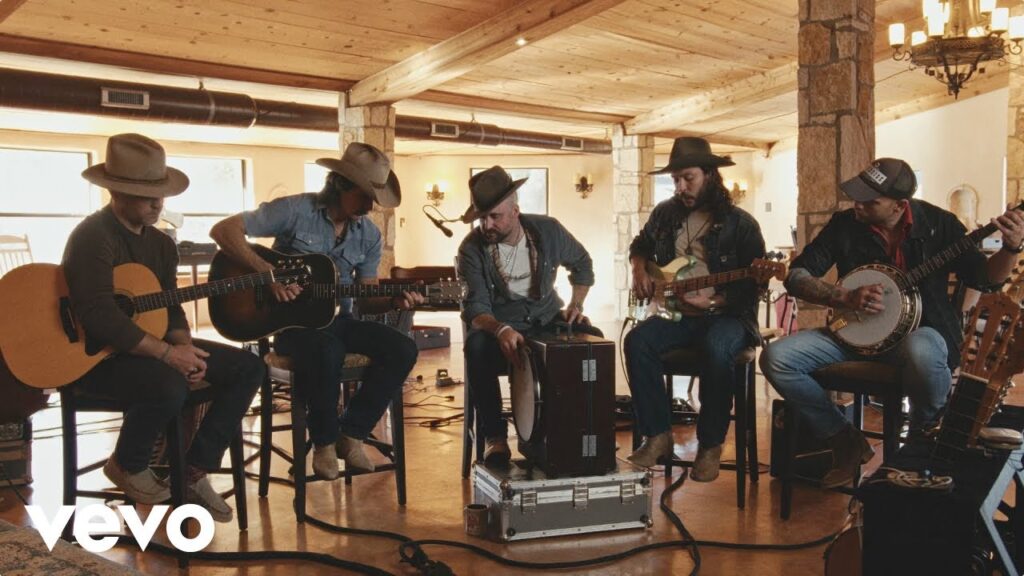
“Los Diablos Tejanos” feels like a Texas ghost story told with harmonies and heat. The Wilder Blue — a band already known for their sharp storytelling and vocal tightness — take a turn toward myth and menace on this track, spinning a tale that’s equal parts outlaw folklore and desert hymn. Right from the start, the vibe is dusty and cinematic. There’s a slow-roll groove to the instrumentation — not quite mariachi, not quite country rock, but something sunburnt and wild in between. A reverb-soaked electric guitar snakes its way through the verses like a rattler in the dirt, and the percussion’s got just enough shuffle to feel like the sound of boots kicking up trouble. Then the vocals hit — layered, haunted, and beautifully delivered. The Wilder Blue are a harmony band, and this track proves why that matters. When they sing “Here come the Tejano devils, ridin’ low across the flame,” it sends a chill up the spine. You don’t just hear the story — you see it. The lyrics paint a picture of a gang of devil-masked outlaws tearing across the Texas landscape, raising hell and disappearing into legend. But like any good outlaw tale, there’s subtext. These devils aren’t just literal — they’re metaphors for fear, rebellion, and what happens when good men get pushed too far. There’s a sense of both reverence and warning in every line. Musically, the band stays tight and restrained. No flash, no overdrive — just steady, thoughtful playing that lets the words and atmosphere carry the load. The bridge drops into a minor-key lull before the final chorus explodes with layered vocals and a hard strum that feels like a showdown at sunset. This song feels like it belongs on vinyl. It’s cinematic in scope but grounded in grit — the kind of track that plays while the credits roll on a Western you didn’t expect to end the way it did. And while the concept may be a little off the beaten path, make no mistake: this is still outlaw country at heart. It’s about standing outside the law, the town, the system — and becoming something that can’t be forgotten. “Los Diablos Tejanos” isn’t a radio single. It’s a campfire legend. A borderland lullaby with spurs on its heels and stories in its smoke.
Kasey Tyndall – “Crystal Methodist”
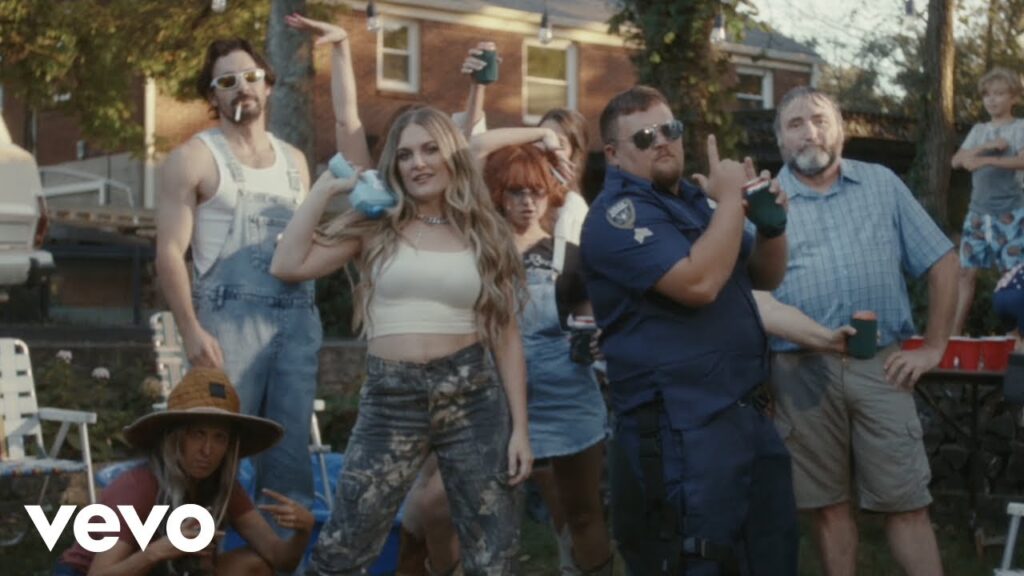
“Crystal Methodist” is what happens when a Southern girl grabs the mic, slams the pulpit shut, and says what everybody else has been too polite to say. Kasey Tyndall throws gasoline on hypocrisy and lights it with a smirk — and the result is a riot of a track that’s half outlaw anthem, half exorcism. From the opening chord, you know this one ain’t gonna be sweet tea and sunsets. It’s raw, riff-heavy, and has that barroom stomp that feels like someone just kicked open the church doors with boots still dirty from Saturday night. There’s distortion on the guitars and fire in the drums, but it’s Kasey’s voice that holds the whip — sharp, fearless, and full of bite. Lyrically, “Crystal Methodist” calls out the kind of faux-holy behavior that rots small towns from the inside. You know the type — the Bible-quoting, gossip-spreading, meth-dealing preacher’s kid who shows up clean on Sunday but burns bridges the other six days. Kasey doesn’t just name names — she calls the whole damn game into question. “She’s got a halo and a habit / High on Sunday, gone on Monday” — that line right there sets the tone. It’s not just catchy. It’s cutting. And it lands with that perfect blend of sass and sorrow that only someone who’s seen it up close can deliver. Musically, it walks the line between Southern rock and modern country grit. Think Miranda Lambert if she grew up listening to Skynyrd and had a flask tucked into her Bible. There’s power in the instruments, but nothing drowns the message. This song ain’t about noise — it’s about calling the devil by name. And here’s the kicker: it’s not mean-spirited. It’s honest. Tyndall’s not attacking religion. She’s attacking the people who weaponize it while hiding their own sins. That’s the real outlaw spirit — not just throwing middle fingers, but pointing them where they actually belong. The hook sticks like a backwoods secret: “She don’t miss a sermon, but she never misses a line / Sweet little Crystal Methodist, bless her heart and hide the crime.” That’s Southern satire with blood on it. “Crystal Methodist” won’t get played at the family picnic — but it’ll be whispered about in every church parking lot. And that’s exactly where it belongs. Kasey Tyndall’s not just making noise. She’s telling the damn truth — loud enough for the whole town to hear.
Hubb Walls – “Old Truck” Ft Rittz
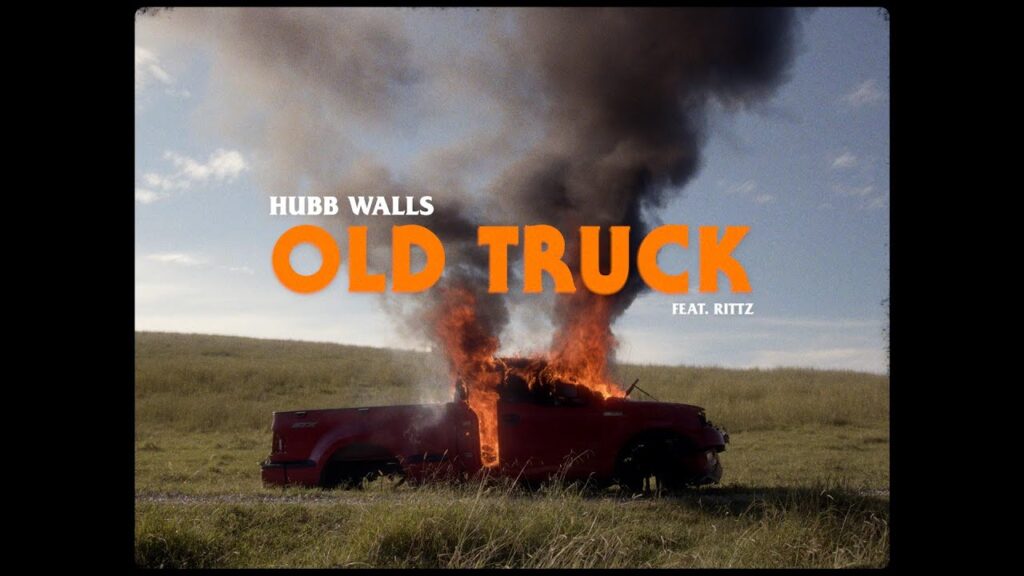
“Old Truck” ain’t just a ride down memory lane — it’s a full-blown outlaw rap-country confession, driven by regret, rebirth, and the kind of real talk most folks are too scared to put in a chorus. Hubb Walls and Rittz come together like oil and gasoline, and what they burn through is their past — with honesty sharp enough to cut through chrome. The beat’s dark and smoky — a slow-rolling blend of hip-hop weight and Southern rock backbone. Acoustic guitar sets the mood, but the trap hi-hats and looming bassline let you know this ain’t your uncle’s pickup ballad. It’s more cinematic than twangy, but the attitude is pure outlaw. Hubb opens the track like a man walking back into the house he set on fire. His delivery is half spoken, half sung — full of bruises and second chances. You can hear the years on his voice, and the years he lost. He’s not posturing. He’s testifying. “This old truck seen more hell than I’ll admit / But it’s still running — guess I am too.” That ain’t poetry for show. That’s therapy with a beat behind it. Then Rittz slides in — slick, fast, and surgical. His verse is a straight-up clinic in vulnerability through velocity. He doesn’t slow down for sympathy. He unloads. Talking about addiction, failure, family — all in that signature double-time that makes you feel like he’s got a hundred more truths he’s still holding back. But where a lot of country-rap collabs sound like label mashups or algorithm bait, this one’s got something real holding it together: pain. And more importantly — growth. This song isn’t about being hard. It’s about being honest. The hook brings it home with a chant-like simplicity: “That old truck still runs, and so do I.” That’s the whole story, right there. It’s survival in motion. There’s no shiny chorus. No big radio moment. Just two men trying to figure out how they’re still breathing after everything that should’ve broke them. It’s dirty, it’s raw, and it feels like it was made for those long-ass nights when you’re alone, staring at the ceiling, and wondering why you made it when so many others didn’t. “Old Truck” ain’t trying to fit in — it’s riding its own damn lane. Slow. Scratched-up. Still moving.
Nappy Roots – “Po’ Folks”
“Po’ Folks” ain’t just a song — it’s a testimony. A Southern-fried anthem that balances pride and pain like a plate of cornbread and sorrow. When Nappy Roots dropped this track back in 2002, they didn’t just speak for themselves — they spoke for damn near everybody who grew up broke but never bowed. And even today, that message still hits like a plate thrown across a tiny kitchen table. The beat is slow, smooth, and laced with soul. Acoustic guitar loops over a boom-bap foundation, while the hook — sung with gospel-weighted emotion by Anthony Hamilton — wraps it all in something holy. It’s not flashy. It’s truthful. It sounds like it was cooked up on a back porch with a busted speaker and a busted heart. Lyrically, this track might be one of the most honest portraits of rural poverty ever put on wax. No dramatics. No sugarcoating. Just real-life moments painted in vivid, unglamorous detail. “All my life, been po’ but it really don’t matter no more” — that line doesn’t come from defeat. It comes from defiance. From resilience. It’s saying: we may not have much, but what we do have, we own. Each verse tells a different side of the same story: families making do with what they’ve got, laughter stretching further than paychecks, and love holding it all together with threadbare seams. You don’t hear metaphors here. You hear memories. What makes “Po’ Folks” outlaw isn’t the style — it’s the spirit. It’s country at heart, even if it comes wrapped in hip-hop. It shares DNA with every Willie Nelson dust-bowl story, every Tyler Childers coal town hymn. It’s about the working class, the overlooked, the ones the radio doesn’t sell beer commercials to. And that chorus? Lord, that chorus. Anthony Hamilton doesn’t sing it — he wails it. Like he’s reaching out to every porchlight flickering on a quiet road, reminding folks they ain’t alone. It’s a spiritual, a lullaby, and a prayer all wrapped into one. Even two decades later, “Po’ Folks” holds up. Hell, it might hit even harder now. Because the struggle never went away. It just changed its face. And songs like this are the mirror — and the medicine. Nappy Roots didn’t try to sound rich. They sounded real. And in a world that keeps trying to sell you a lie, that’s more outlaw than ever.
Jamey Johnson – “Someday When I’m Old”
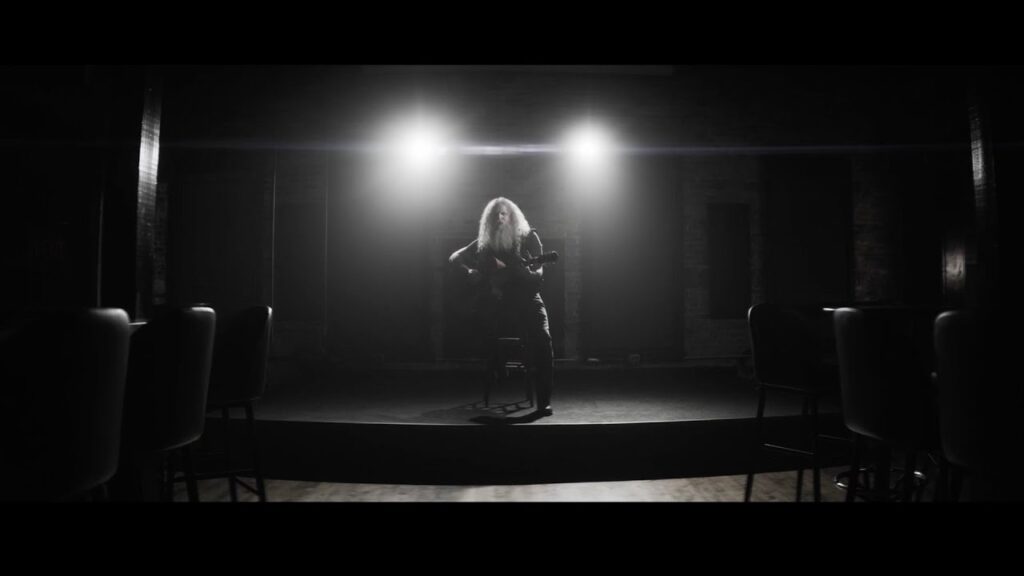
When Jamey Johnson sings about growing old, you stop what you’re doing and listen. “Someday When I’m Old” isn’t just a song about time — it’s a meditation on what’s left behind. It’s the kind of track that creeps up on you like age itself: slow, quiet, and full of truths you weren’t ready to hear until they already came true. It opens like the wind blowing through a screen door. Sparse acoustic guitar, soft steel behind it like a shadow, and then that voice — deep, cracked, half smoke and half sermon. Johnson doesn’t rush. He’s not trying to sell you anything. He’s just telling it the way only someone who’s lived through it can. The lyrics are simple, but they carry more weight than most ten-dollar words ever could. “I won’t care how fast my truck was / I’ll just hope it still starts” — that line alone says more about growing older than most whole albums. It’s not just about mortality. It’s about perspective. About watching the wildness of youth fade into something quieter, and maybe a little more meaningful. The production is classic Johnson — organic, unvarnished, real. No polished studio sheen, no digital tricks. Just wood, wire, and soul. It sounds like it was recorded in a single take, in a room where everyone knew to keep their damn mouths shut and let the man sing. There’s a warmth to it, though. This ain’t a sad song. It’s not bitter. It’s grateful, even when it aches. Johnson sings like a man who’s seen what matters get stripped away — and found peace in what remains. That’s the outlaw ethos at its most refined: not raising hell, but surviving it, and maybe even growing from it. The chorus doesn’t soar — it settles. And that’s perfect. It doesn’t need to blow you away. It just needs to stay with you. And it will. “Someday When I’m Old” doesn’t just hit the ears — it hits the gut. It’s for the late nights when you realize you’ve got more memories than dreams. For the mornings when the hangover lasts longer than the party did. For the fathers, the sons, the friends who’ve walked away — and the ones who stayed. Jamey Johnson’s never been interested in trends. He’s been interested in truth. And this song is full of it — raw, unfiltered, and aging just right.
Pink Beard – “Mine, Lord Willing”
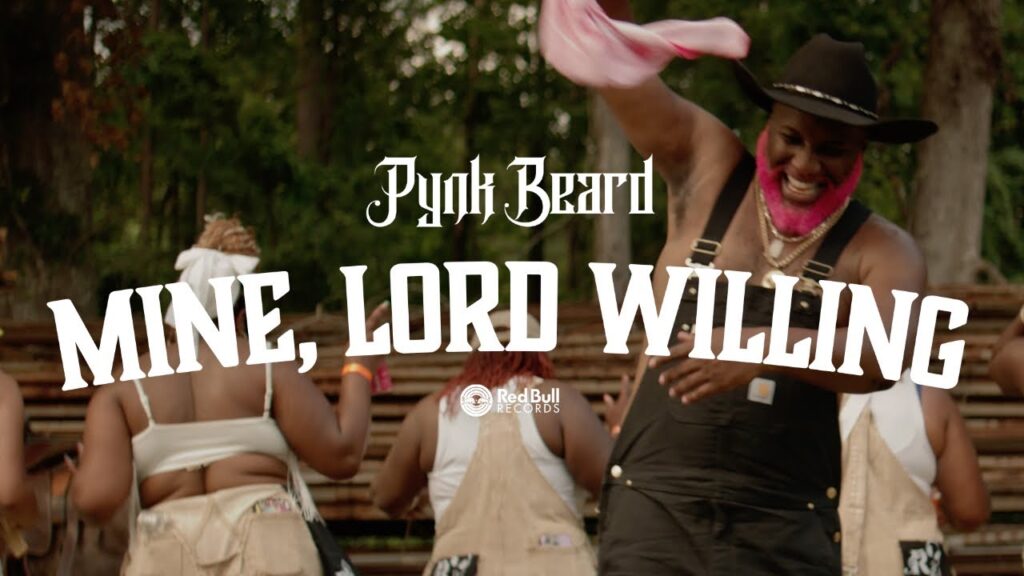
“Mine, Lord Willing” by Pynk Beard isn’t just a song — it’s a neon-lit daydream laced with gospel dust and whiskey echoes. Equal parts playful and reverent, it walks that razor-thin outlaw line between tongue-in-cheek and open-heart — and somehow manages to stick the landing without slipping into parody or preachin’. The track opens soft — almost deceptive — with a laid-back, acoustic shuffle that hints at old-time folk but quickly layers into something more modern and unpredictable. There’s a touch of ragtime in the rhythm, maybe a little Tom Waits-style mischief if you listen close, but it all holds together thanks to one thing: personality. And that’s Pynk Beard’s secret weapon — he’s got character. He doesn’t sound like he’s trying to be anyone else. He’s not cosplaying outlaw or doing karaoke cowboy. He’s telling a story in his own damn voice. Raspy but not rough. Worn, but not weary. It’s the kind of delivery that says: “I’ve seen things… and I’m still laughing.” Lyrically, this one’s deceptively sharp. On the surface, it’s a love song — or maybe a faith song — or maybe a drinking song dressed up in Sunday best. That’s the thing. The lines blur. “If she’s mine, Lord willing, then I’ll pray a little more / And if not, I’ll learn to dance with the devil by the door.” That’s a hell of a line. Not just clever — human. There’s a kind of spiritual ambiguity to the whole thing. It nods to grace, winks at sin, and invites both to sit at the table. And in the world of outlaw music, that’s holy ground. The instrumentation stays light, but not flimsy. Upright bass walks steady, the piano slides in with a few tasteful flourishes, and the guitar keeps things grounded. No frills, no filler. Just a clean, character-rich arrangement that lets the lyrics do the talking. And that chorus — it’s sticky. Not in a pop-radio way, but in a soul way. The kind that shows up later in your head when you’re alone on a porch with no one to impress but the moon. “Mine, Lord Willing” doesn’t sound like anything else on the air right now — and that’s its power. It’s old-fashioned without being dusty. Smart without being smug. And most importantly, it sounds like it came from someone who meant it. Pynk Beard may not be playing stadiums, but with songs like this, he’s carving out something even better: authenticity.
Tesla – “From The Heart”
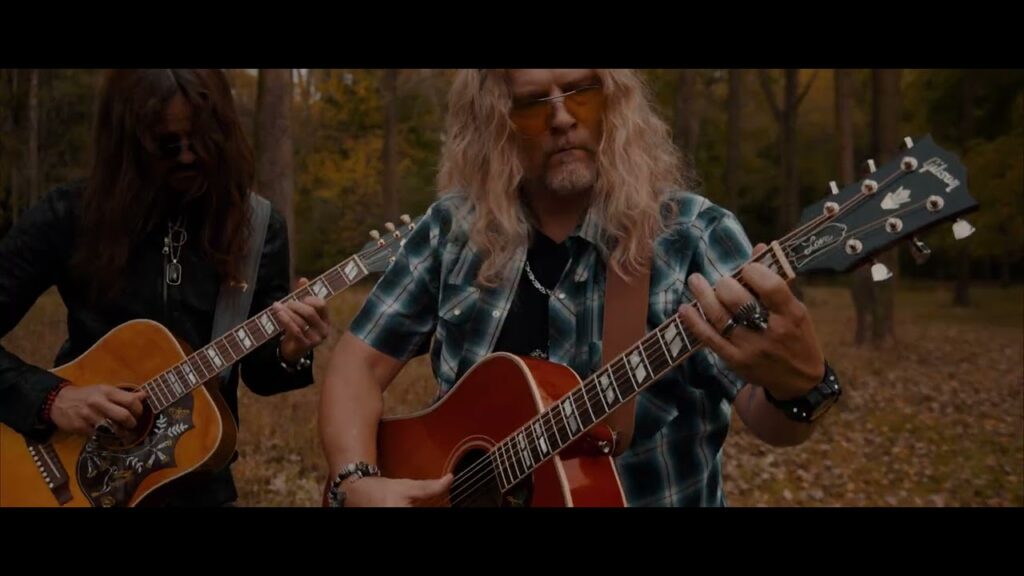
Some bands evolve. Others endure. Tesla? They persist — like engine oil on denim or cigarette smoke in the backseat of a ‘78 Camaro. “From the Heart,” off their All About Love EP, is exactly what the title says it is: a direct transmission of feeling, fired through tube amps and sung with gravel-laced conviction. The first thing you notice is how warm this track feels. Not just in the analog fuzz of the guitars — which are damn near perfect, by the way — but in the delivery. Jeff Keith’s voice ain’t what it used to be, maybe, but that’s the beauty of it. He doesn’t sound like a man trying to chase youth. He sounds like a man owning his age, his scars, and his sincerity. The riff work is classic Tesla — melodic, blues-rooted, just enough dirt to keep it real. Nothing feels overworked. No polished Nashville glitz, no modern radio tricks. Just good old-fashioned rock & roll played by a band that still believes in songs that mean something. Lyrically, “From the Heart” leans simple — but don’t mistake that for shallow. There’s a reason the classics hit hard. This one’s built on the kind of earnest, no-bullshit declarations that came straight out of the late ’80s playbook: “If I say I love you, I mean every part / You can take this truth straight from the heart.” That’s not trying to be clever — that’s just being true. And honestly? In a world full of ironic detachment and posturing, hearing a grown man sing that like he still believes in it… that’s outlaw in its own way. No pretense. No persona. Just love, loud and clear. The band’s chemistry is tight, as you’d expect. These guys aren’t mailing it in — they’re still playing like it matters. The solos soar but never showboat. The rhythm section swings with that seasoned confidence that only comes from years of playing dirty bars and huge arenas alike. “From the Heart” is the kind of track that might get overlooked by critics chasing trends, but it’ll stick with fans who never gave a damn about trends in the first place. It’s not here to reinvent the wheel — it’s here to remind you why wheels matter. For Tesla, this song ain’t a comeback. It’s a reminder. They never left. And they’re still singing from the place where it all began — the heart.
Dwight Yoakam Ft Post Malone – “I Don’t Know How To Say Goodbye”
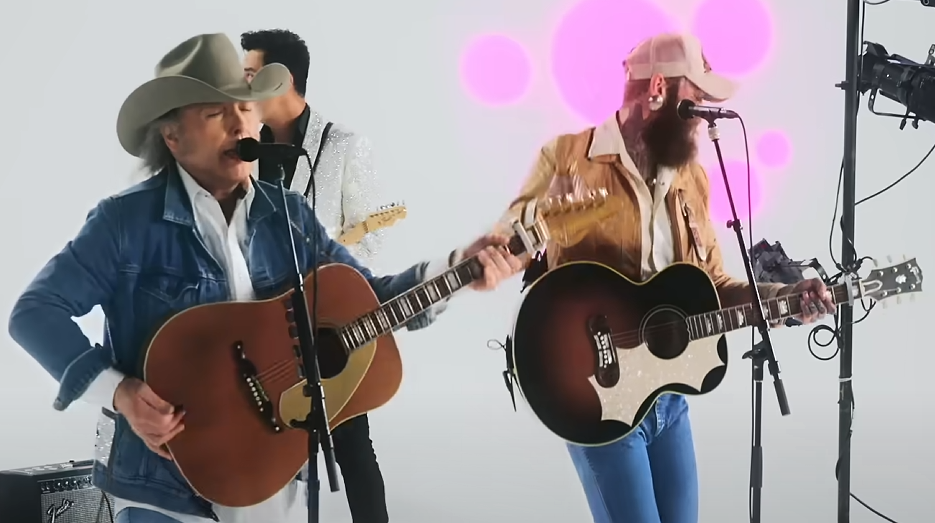
Some songs feel like a risk. This one? It feels like a damn revelation. “I Don’t Know How to Say Goodbye” pairs two voices you’d never expect to see sharing a mic — Dwight Yoakam, the honky-tonk time traveler, and Post Malone, the tattooed wildcard of genre collisions. And yet somehow, this track doesn’t feel forced. It feels fated. It starts soft — a lonesome acoustic strum, maybe a hint of steel in the background — and Yoakam’s voice eases in like a memory you thought you buried. That signature nasal twang still cuts through, cracked around the edges like sun-faded vinyl. He sounds older. Wiser. But no less sharp. Then Post comes in. And it works. Surprisingly well. His voice doesn’t try to match Dwight’s — it leans into its own lane. Smoky, melancholy, more croon than country, but full of soul. There’s no auto-tune, no pop tricks. Just honesty. Vulnerability. It’s like the two are sitting across from each other at a dive bar, trading verses and unfinished thoughts. Lyrically, the song’s a gut punch. It doesn’t dance around pain — it drags it right into the spotlight. “I’d rather fight than feel this empty / I’d rather lie than say goodbye” — that’s not romantic. That’s real. That’s the sound of someone trying to hold on to something that’s already slipping through their fingers. The chorus is restrained but heartbreaking, with both voices blending in raw, imperfect harmony. They’re not trying to outsing each other. They’re agreeing — in different tones — that this hurts like hell. What really sells it is the production. It’s stripped-back, intimate, and damn near analog in feel. Like someone recorded it late one night after too many drinks and too few words. No flash. No filler. Just a song that breathes. This collaboration could’ve been a gimmick. Could’ve been a label stunt. Instead, it’s something way rarer — two artists who mean it, coming from different corners of the world to meet at the crossroads of heartbreak. “I Don’t Know How to Say Goodbye” isn’t just a title. It’s a confession. One that a lot of us have lived and never said out loud.
Dierks Bentley feat. John Anderson & Riley Green – “Broken Branches”
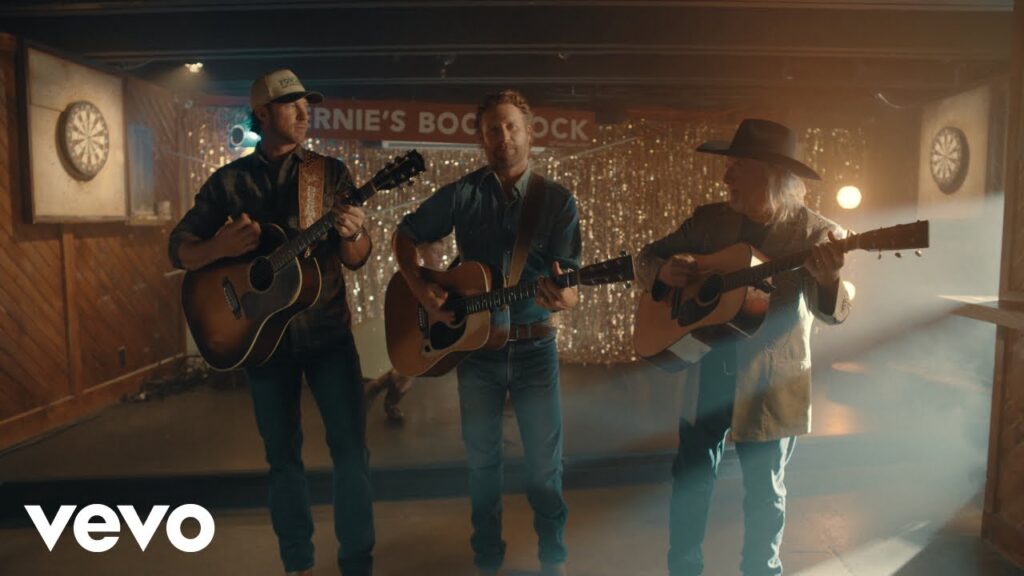
“Broken Branches” is more than a collaboration — it’s a generational torch pass, lit with sorrow and reverence. When you put Dierks Bentley, John Anderson, and Riley Green on a track together, you’re not just making a song — you’re stitching together a story that spans decades of country grit and grace. This one’s all roots, no gloss. From the first guitar strum, you feel it — the weight of time. The arrangement is sparse but full: acoustic guitar and steel weep together under a slow-moving rhythm that never tries to rush the pain. It’s the kind of track you play with the windows down on a cold morning, just to feel something real again. The title “Broken Branches” works on every level. It’s about family trees damaged by time, distance, and bad choices. It’s about the pieces we try to mend — and the ones we learn to live without. It’s personal, but the kind of personal that hits everybody square in the chest. Bentley handles the first verse with that smooth, modern-outlaw touch he’s perfected — a little weathered, a little clean. Anderson steps in like a damn ghost from the glory days, voice cracking in all the right ways, full of worn-out wisdom. And Riley Green brings it home with that youthful but grounded tone, tying the old and the new together like a backroad fence post lashed with baling wire. The chorus lands with quiet devastation:“Some names carved in the bark are fading / Some stories we never got to hear / Broken branches don’t grow back / But I still keep ‘em near.” That’s not songwriting — that’s truth. The kind you hear at funerals and family reunions. The kind you carry with you long after the music stops. Production stays respectful — no over-polish, no Nashville pop shine. Just space, breath, and emotion. The harmony sections are raw enough to feel human, and clean enough to honor the craftsmanship. You can hear the air in the room, and that’s exactly how it should be. This song isn’t made to chart. It’s made to last. To be played when you’re sitting in your truck outside the house you grew up in, wondering why things couldn’t stay simple. It’s made for the folks who’ve got pictures in shoeboxes and empty chairs at the table. “Broken Branches” is a slow-burning tribute to the things that made us — and the pieces we carry when they fall apart. And with these three voices on the mic, it’s as close to country gospel as modern outlaw music gets.
Them dirty Roses – “Candle In The Dark”
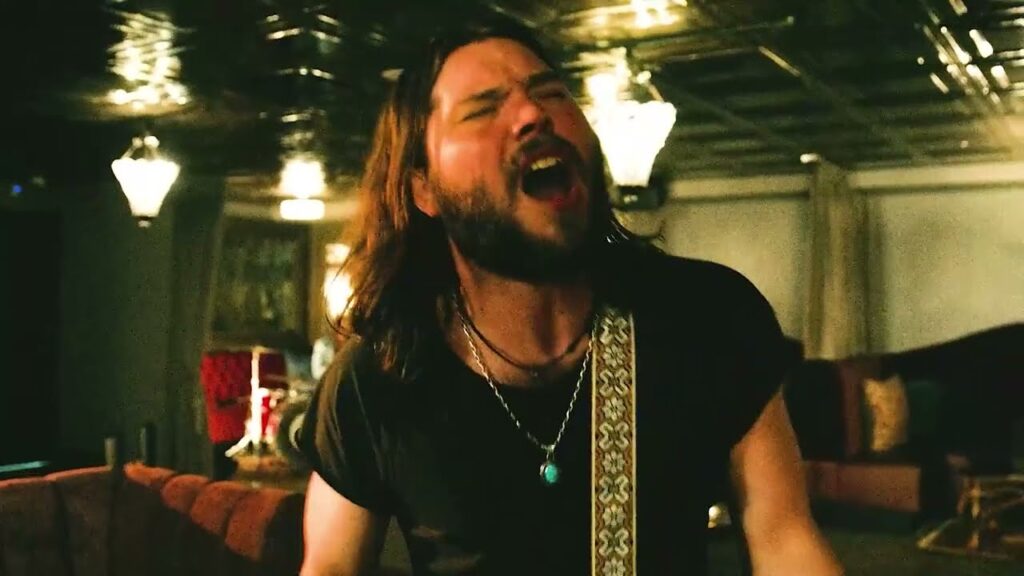
“Candle in the Dark” ain’t your average Southern rock track. Them Dirty Roses come out swinging with something slower, heavier — a late-night confessional dressed in denim and regret. It’s the sound of a man sitting alone with a drink in his hand and ghosts on his shoulder, lighting a candle not to find his way, but to remember who he lost. This one’s soaked in Southern soul — from the opening licks to the slow-burning drum groove that never hurries, never relents. The guitars cry like they’ve got a story of their own, bending notes the way a man bends his pride just to get through the night. There’s restraint here, but also fire. That’s a hard line to walk — and they walk it in worn-out boots. Vocally, the delivery is damn near perfect. It’s not polished — it’s present. Every word feels like it’s coming from the chest. The singer doesn’t belt for the sake of drama. He aches, and you feel every ounce of it in lines like, “I still leave a light on, though I know you won’t come back.” That’s not theater — that’s truth. The production gives the song plenty of breathing room. Nothing feels cluttered. Every instrument is where it needs to be. The slide guitar glides in like a memory you didn’t ask for. The keys hum in the background like a prayer you’re not sure you believe in anymore. And lyrically, this is outlaw poetry. It’s not about raising hell. It’s about surviving it. There’s pain in every verse, but also grace — the kind you only earn after you’ve ruined something good and sat with the pieces long enough to know what they meant. “Candle in the Dark” is a love song, sure, but it’s also an apology. And maybe even a eulogy. There’s no neat resolution here. No Hollywood ending. Just the glow of that candle and the weight of knowing it’s your own damn fault it had to be lit in the first place. Them Dirty Roses don’t overplay their hand here. They don’t need to. The song does the heavy lifting — and the silence between notes says more than most bands manage with a full page of lyrics. “Candle in the Dark” is for the late nights, the long drives, and the moments when you realize you’re not as over her as you told your friends you were. And that makes it one hell of a song.