
The Statesboro Review – “Sweet On Me”
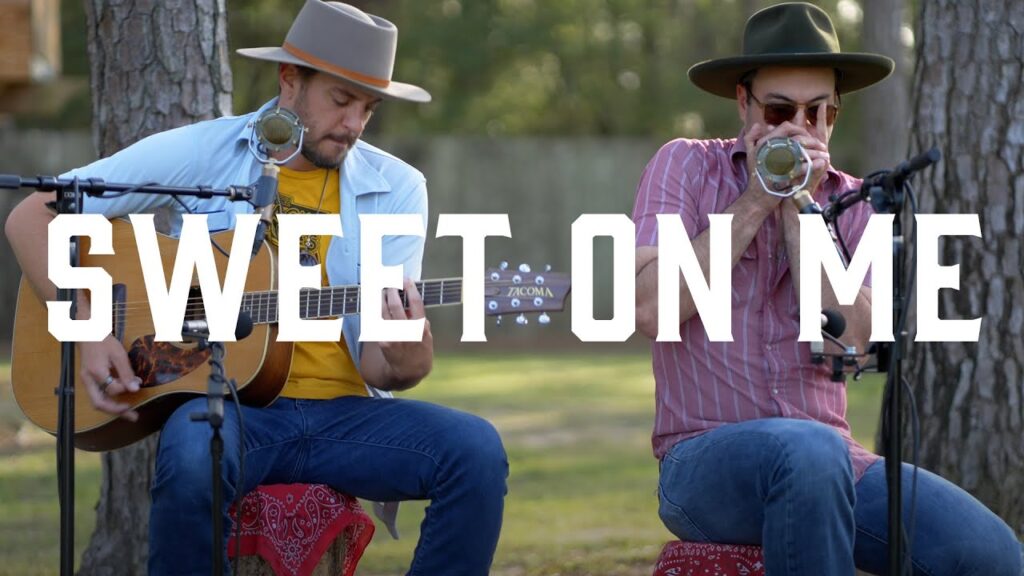
The Statesboro Revue brings a soulful swagger to “Sweet On Me,” a track that rolls like a slow Sunday drive with the windows down and the heartbreak riding shotgun. It’s got Southern charm, barroom blues, and just enough outlaw strut to let you know they don’t play by Nashville’s rules. From the first few notes, “Sweet On Me” lays it down thick — grooving guitars, a whiskey-warm rhythm section, and Stewart Mann’s vocals that fall somewhere between a preacher’s plead and a sinner’s confession. It’s smooth, but with gravel underneath — like something that’s been lived through, not dreamed up. Lyrically, it’s a bittersweet tale of missed chances and fading affection. “You used to be sweet on me / Now you don’t even look my way,” he sings, not with bitterness but resignation. This isn’t a plea to come back — it’s the slow exhale after the fire’s gone out. And that honesty gives the track its weight. The production leans into that retro-soul/country blend — organ hums like it’s coming from a dusty chapel, while the guitars drip with bluesy melancholy. It’s the kind of sound that would be just as at home in a juke joint as it would be drifting out of a vintage El Camino stereo. The music video adds another layer — shot live at Coupland Dance Hall, it’s gritty, smoky, and full of sweat-soaked charm. You feel like you’re right there, shoulder to shoulder with the crowd, cold beer in hand and heartache in the air. No fancy effects, no pretense — just good music played loud in a place that means something. Final Verdict: “Sweet On Me” is a throwback in all the right ways — soulful, sincere, and soaked in the kind of heartbreak that only comes with time. The Statesboro Revue isn’t here to chase trends — they’re here to remind us what real country soul sounds like. And damn if they don’t deliver it with style.
Flatland Calvary – “Countryman” (Live From The Tetons)
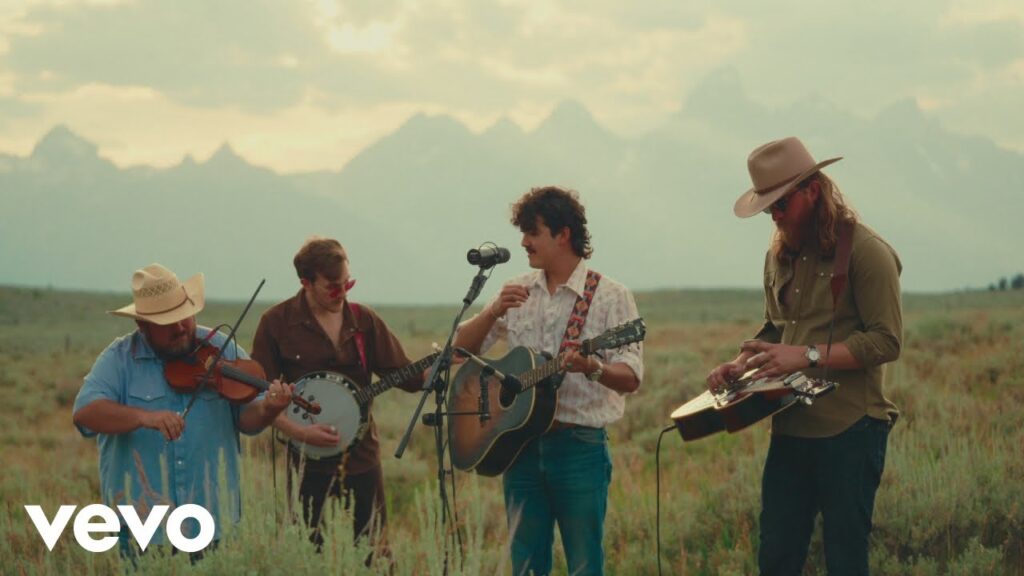
Flatland Cavalry isn’t just playing country music with “Countryman” — they’re putting on a damn masterclass in modern roots storytelling. This live version, recorded against the breathtaking backdrop of the Tetons, blends rugged authenticity with sonic precision. It’s a reminder that some songs don’t just belong to the land — they *come* from it. From the opening strum, “Countryman” hits like a warm wind across an open field. Acoustic guitar carries the melody with easy grace, while Cleto Cordero’s voice rides low and honest, never trying to sell you anything — just telling it like it is. The lyrics are a love letter to those who still shake hands firm, respect the land, and know how to fix a fence and cook a meal. But this version isn’t just about the song — it’s about the setting. Filmed live in the shadow of the Tetons, it adds a visual soul you can’t fake. The camera pans wide to capture not just the band, but the sky, the trees, the stillness. It’s an atmosphere, not a production. And it works. You don’t just hear the music — you *feel* where it’s coming from. Lyrically, the song keeps it grounded: “I may not wear a Stetson or drive a Chevrolet / But I know how to pray and plant a seed.” It’s not about clichés — it’s about the core. It reclaims “country” not as an aesthetic, but as a way of life. And Flatland delivers that message without shouting, without grandstanding — just with heart and harmony. Musically, there’s a purity to it. Fiddle weaves gently through the chords, and the whole band leans into restraint — no flashy solos, no studio trickery. Just real musicians playing real music in a real place. That’s the outlaw spirit right there: authenticity over artifice. Final Verdict: “Countryman (Live From The Tetons)” is a prayer, a postcard, and a quiet act of rebellion against the overproduced noise of today’s country scene. Flatland Cavalry doesn’t just carry the torch for real music — they’re building the fire from scratch. If you needed a reminder that roots run deep and wide, this is it.
Minor Gold – Leave A Light On
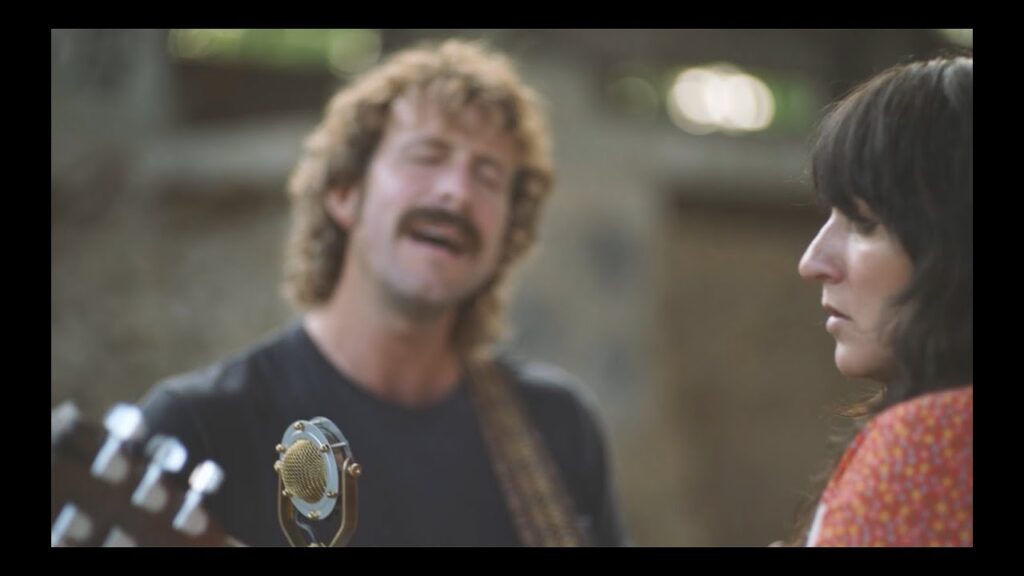
With Minor Gold’s “Leave A Light On,” Don Parsons and Tracy McNeil deliver a hauntingly tender slow-burn that wraps folk harmonies in the warm glow of heartbreak. It’s not outlaw in the bar-brawling sense — it’s outlaw in the emotional honesty, the way it strips you down without raising its voice. The track opens like a sunrise through a dirty window — gentle, golden, and a little sad. Fingerpicked guitar floats underneath two voices that don’t just harmonize — they *know* each other. There’s a lived-in sorrow in their delivery, the kind that only comes from standing in the wreckage of something beautiful and wondering what’s worth saving. “Leave A Light On” walks the thin line between letting go and holding out hope. The lyrics are deceptively simple, like whispered promises in the dark. “If you ever make your way back / You’ll know where I’ll be,” they sing, and it lands like a punch with velvet gloves. It’s not begging — it’s a quiet offering. A light in the window, just in case. Production stays out of the way — no polish, no frills. Just the bones of the song laid bare. It gives the emotion room to breathe, and that’s exactly what it needs. It’s reminiscent of Gillian Welch and David Rawlings in its intimacy — or even a dustier version of The Civil Wars. The music video reflects that simplicity. It’s raw and intimate, mostly just the two of them performing — no cinematic distractions, just the story and the sorrow. But in that quiet presentation, you feel everything more deeply. The visuals match the soul of the song: stripped-down, weathered, and real. Final Verdict: “Leave A Light On” proves that outlaw country doesn’t always need steel guitars and whiskey-soaked vocals — sometimes it just needs truth. Minor Gold gives us a ballad for the brokenhearted and the brave, the ones who leave the porch light burning even when no one’s promised to come home. It’s tender. It’s timeless. And it’ll stay with you long after the last chord fades.
Wade Forster – “Last Of A Dying Breed”
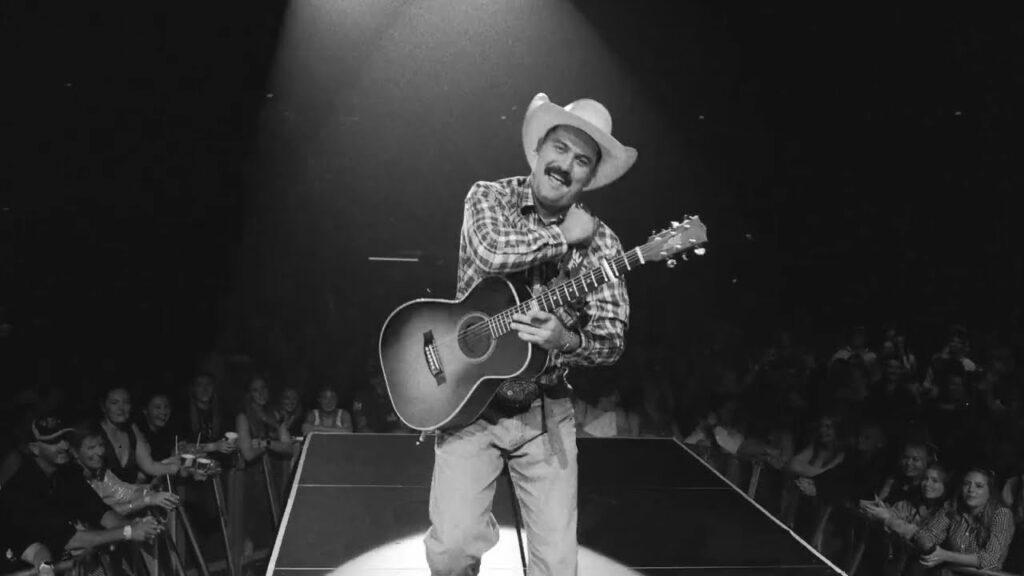
Wade Forster ain’t just singing a song with “Last of a Dying Breed” — he’s making a damn statement. This track is a full-throated salute to every man who still sharpens his own blade, drives a stick, and tips his hat like it means something. It’s not nostalgia — it’s defiance wrapped in twang. From the jump, the song gallops like it’s riding into a dust storm. Classic outlaw instrumentation — that punchy acoustic rhythm, sweeping pedal steel, and just enough grit on the vocals to let you know Forster’s not playing cowboy, he’s living it. It’s the kind of track that smells like motor oil, Marlboros, and sweat-drenched denim. Lyrically, Forster lays it all out plain. No metaphors, no velvet — just truth. “I don’t text, I call / I still say ‘ma’am’ / I fix what breaks with my own two hands.” It’s blue-collar gospel in a world that’s trading dirt roads for dashboards. There’s pride here, but also a bit of sorrow — a knowing that this kind of man is getting harder to find. What makes the track hit even harder is that it doesn’t feel manufactured. Forster delivers it like a man who’s lived every word — and maybe lost a few friends along the way to cities, screens, or softer lives. It’s not angry, but it’s damn sure not backing down either. The video adds to the authenticity. Scenes of rugged landscapes, old trucks, and worn-out work boots aren’t just aesthetic — they’re documentation. You believe every setting because it looks lived-in. There’s a reverence to it, like paying tribute to something sacred — not flashy, just honest. Final Verdict: “Last of a Dying Breed” is a gut-punch for anyone who still believes handshakes matter and silence says more than noise. Wade Forster might be singing about himself, but he’s also holding up a mirror for every outlaw who still walks the old-school line. This one ain’t just music — it’s a creed.
Carter Faith – “Sex, Drugs, & Country Music”
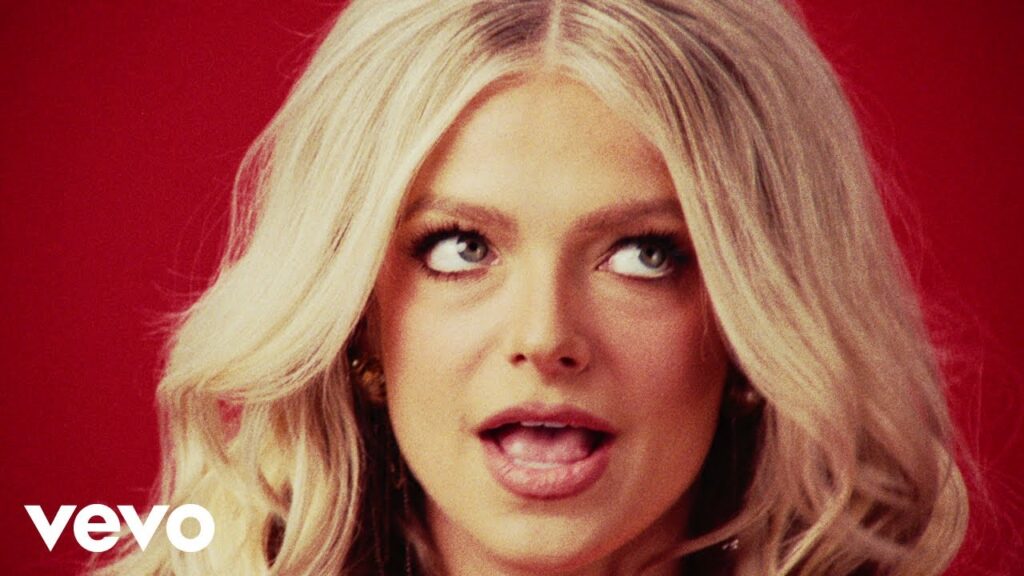
Carter Faith comes in swinging with “Sex, Drugs, & Country Music,” a smoky, defiant slow-burn that turns the classic outlaw tropes on their head — not by rejecting them, but by owning them with a woman’s voice, a poet’s bite, and a twang that doesn’t ask for permission. The song drips with a sultry tension — Faith’s vocals glide over a minimal groove that pulses with just enough menace to keep things dangerous. It’s not loud, not flashy, but calculated. Like she knows exactly what she’s doing and dares you to look away. Her delivery is soft, but make no mistake — it cuts. Every word lands like a quiet dare. The title sets expectations for a hard-partying anthem, but Faith delivers something deeper. This isn’t a celebration — it’s a reckoning. “I’m tired of the small talk, tired of the lies,” she sings, as if the line between rebellion and exhaustion has worn thin. This is about identity, escapism, and claiming space in a world that still tries to fit women into tidy boxes. Production-wise, it’s sleek but grounded. Subtle steel, smoky guitar tones, and just enough reverb to let the space in the track breathe. It’s more barroom than stadium — meant for dim lights, not spotlight glitz. It’s outlaw in the truest sense: unapologetically personal, quietly confrontational, and unafraid to live in the in-between. The video matches that tone perfectly. Dim-lit rooms, vintage touches, and a hint of mystique. Faith doesn’t shout — she smolders. The visuals walk the line between vulnerability and confidence, framing her less as a rebel trying to prove something and more as someone who already has, and just doesn’t care if you noticed. Final Verdict: “Sex, Drugs, & Country Music” is a smoky whisper of rebellion — a modern outlaw hymn delivered with slow-burning fire. Carter Faith doesn’t need to scream to make her mark. She leans in, stares you down, and sings her truth like it’s the only thing left standing in the room.
Charley Crockett – Night Rider
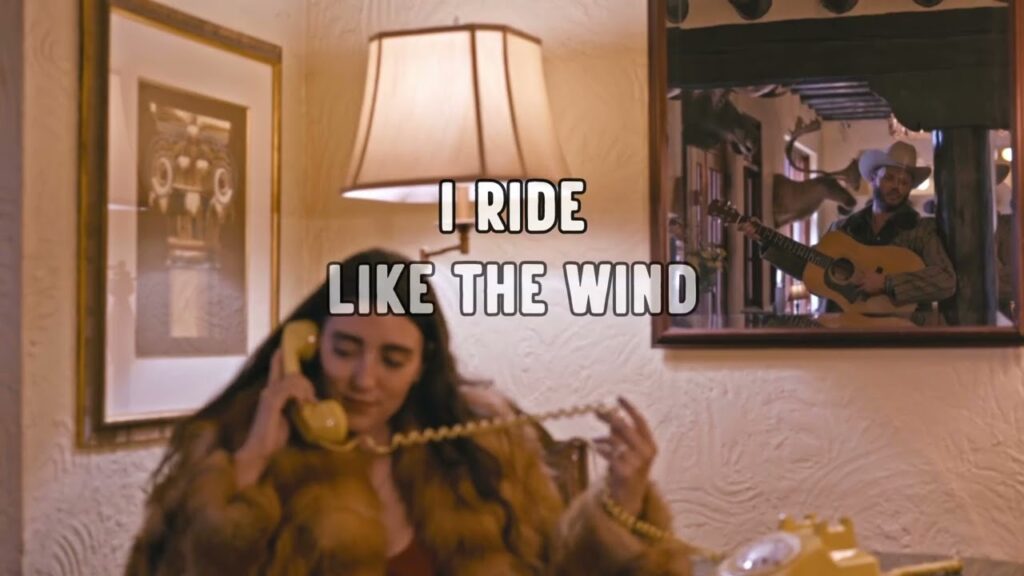
Charley Crockett slides into the shadows with “Night Rider,” a dusty outlaw noir track that rides low and mean beneath a blanket of desert stars. It’s the kind of song you’d hear pouring out of a dive bar jukebox just before closing time — bluesy, dangerous, and slick with sweat and secrets. [outlaw_events artist=”Charley Crockett”] From the first few notes, “Night Rider” oozes style. It’s part Spaghetti Western, part Texas blues, and 100% Charley Crockett. The horns moan like a ghost train, the rhythm section lopes like a tired outlaw horse, and Crockett’s voice — gritty, sly, and smooth — carries it all like a man who’s been running from something longer than he can remember. Lyrically, it’s as much about mystique as it is about motion. “I’ve been runnin’ down that old highway / chasin’ what I’ll never find,” he sings, and you believe every word. This isn’t about getting somewhere — it’s about staying one step ahead of the past, the law, or maybe your own demons. It’s outlaws with dust in their boots and ghosts in their rearview. The song doesn’t need a big hook or a flashy chorus — its groove is the hook. It hypnotizes you, pulls you into its slow-motion chase, and leaves you wanting another mile or two of road just to see what’s around the next bend. The music video enhances that mystique with vintage grit — shots of Crockett under neon signs, long highways, smoky shadows, and looks that say more than the lyrics ever could. It’s a vibe more than a narrative, but it works perfectly. It feels like you’re watching the end credits of a Western that never needed a beginning. Final Verdict: “Night Rider” is a lesson in atmosphere, swagger, and the kind of cool you can’t fake. Charley Crockett doesn’t just wear the outlaw label — he *embodies* it. This track doesn’t blaze down the highway — it cruises slow, lights low, pistol loaded, and no intention of stopping for anyone.
Molly Tuttle – “That’s Going To Leave A Mark”
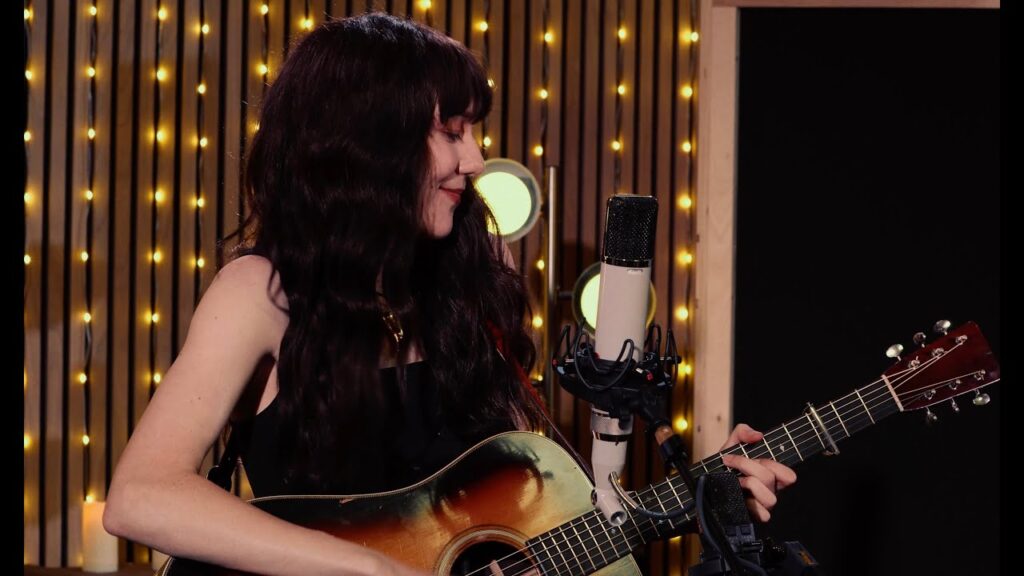
Molly Tuttle doesn’t waste time easing you in with “That’s Going to Leave a Mark.” She kicks the door open with a smirk, a wickedly sharp lyric, and a guitar tone that bites like a copperhead. This one’s not about healing — it’s about embracing the sting, grinning through it, and maybe tossing a little gasoline on the way out. The track blends Tuttle’s bluegrass pedigree with a punchy outlaw twang that feels equally at home in a honky-tonk or a punk dive. Her picking is still razor sharp — no surprise there — but it’s her delivery that drives the nail in. She’s playful, dangerous, and cool as hell. This isn’t heartbreak balladry — it’s revenge in a velvet glove. Lyrically, she walks the line between clever and cutting: “If payback’s a pleasure, I’ll take mine to go.” Lines like that don’t come from someone still licking their wounds — they come from someone who knows exactly where to twist the knife. It’s witty, fast-paced, and brutally honest in the way only good country music can be. The arrangement leans into that grit — punchy drums, wild fiddle runs, and a rhythm that gallops like it’s got somewhere to be. It’s got an old-school fire but a modern bite. Tuttle never lets her technical prowess overpower the feel — it’s not a flex, it’s a statement. The music video leans hard into the attitude, mixing vintage color palettes with mischief and swagger. There’s a touch of retro flair — ‘70s grain, neon lighting — but it all supports the chaos. Tuttle plays it cool but fierce, proving she can hold her own in any outlaw lineup, six-string in hand and steel in her gaze. Final Verdict: “That’s Going to Leave a Mark” is a wild ride with no apologies. Molly Tuttle shreds expectations and burns the handbook — delivering a track that’s equal parts charm and bruises. If this is her idea of revenge, sign us up for the fallout.
The Castellows – “Sheltered” – (Acoustic Live)
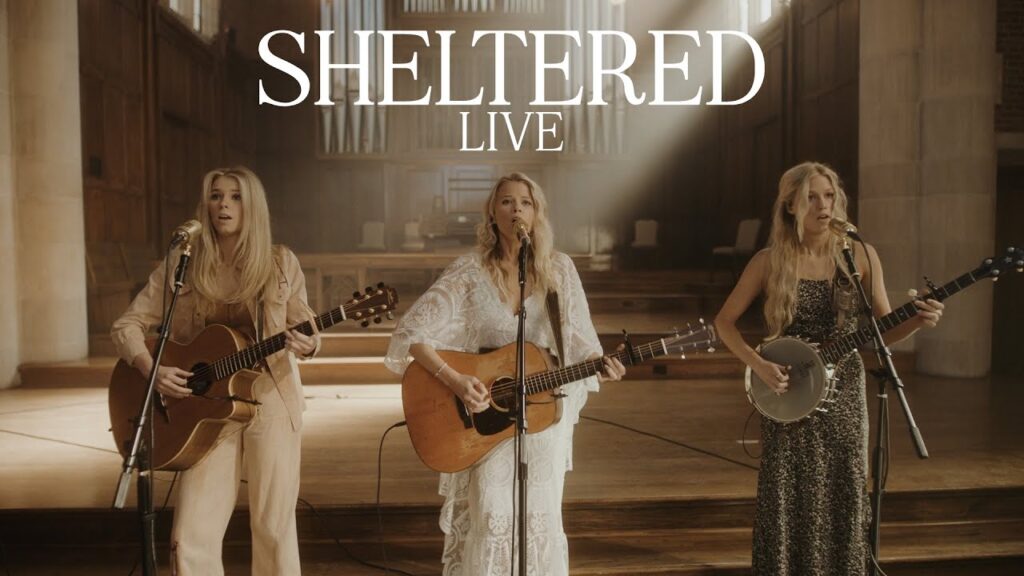
The Castellows’ take on “Sheltered” doesn’t just revive the spirit of southern gospel — it breathes modern soul into it with harmonies strong enough to rattle your ribcage. These sisters know how to deliver a message, and they do it without flashy gimmicks or overproduction. Just voices, conviction, and a whole lot of backbone. The moment they start singing, it’s like stepping into an old country chapel with stained-glass windows and stories in the floorboards. Their harmonies lock in so tight you’d think they were stitched from the same thread — which, in a way, they are. There’s a warmth in their delivery that makes this feel like home, even if you’ve never set foot in the South. Lyrically, “Sheltered” leans into faith, struggle, and gratitude — themes that could’ve easily felt heavy-handed, but don’t. Instead, The Castellows make them feel lived-in, like a hand-me-down hymn passed through generations. They don’t preach. They *share*, and that makes all the difference. The production walks a perfect line between tradition and freshness. Acoustic instrumentation stays rooted in classic Americana — fiddle, banjo, steel — but it’s mixed with a crispness that keeps things from feeling dusty. It’s a reminder that the old ways still hit hard when delivered with clarity and purpose. The video amplifies the message with down-home visuals: rural landscapes, honest faces, and natural light pouring in like grace. There’s no attempt to manufacture authenticity here — it’s already in their DNA. The Castellows don’t just perform this song. They *embody* it. Final Verdict: “Sheltered” by The Castellows is a revival — not just of southern gospel sounds, but of the kind of music that comforts, strengthens, and reminds you who you are. It’s soul food for folks who’ve weathered storms, and a hymn for anyone who still believes there’s power in harmony — literal and spiritual.
Watchhouse – “Glistening” (live)
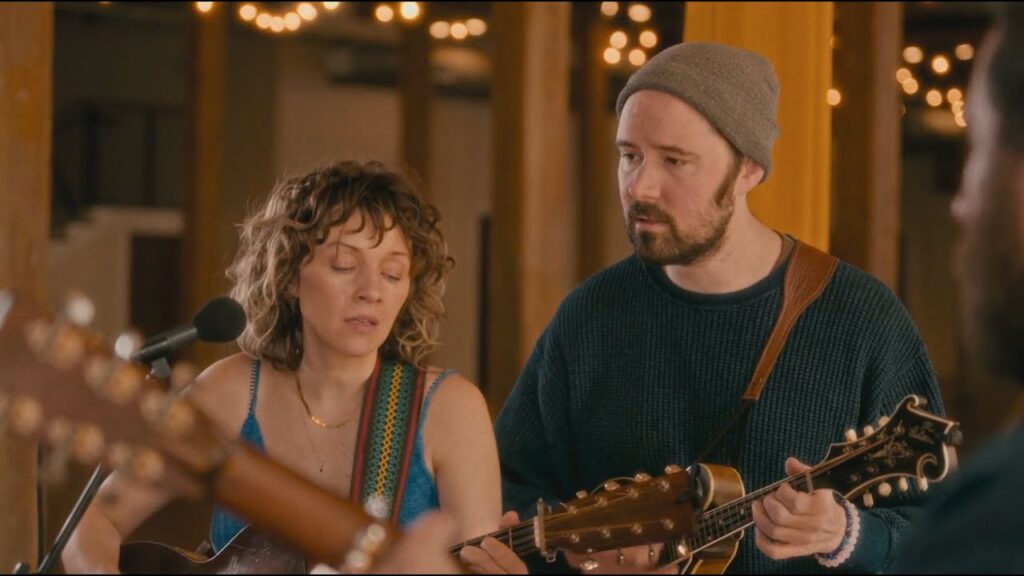
Watchhouse strips it all down in their live acoustic rendition of “Sheltered,” offering a fragile, near-sacred moment of quiet reflection in a world full of noise. This ain’t your standard outlaw barn burner — it’s a spiritual detour down a foggy mountain road, where the real rebellion is found in stillness, restraint, and brutal honesty. From the opening notes, it’s clear this version of “Sheltered” was meant to be felt more than heard. Just an acoustic guitar, soft harmonies, and air thick with reverence. The performance is live, but it feels like a prayer whispered through Appalachia’s backwoods — a testament to the power of quiet resilience and the hard-earned peace that follows storms. Lyrically, “Sheltered” speaks to the ache of vulnerability. It wrestles with the way we hide our hearts behind bravado and noise, and the slow beauty of lowering that armor. Watchhouse doesn’t force the message — they let it bloom organically, like a field flower pushing up through cracked earth. It’s songwriting with the patience of old souls. Vocally, Andrew Marlin’s delivery is featherlight, but there’s steel underneath. He doesn’t belt — he beckons. And that restraint? It cuts deeper than a scream ever could. There’s something about singing softly in a loud world that feels downright rebellious. Outlaw, even. The video itself is intimate — one camera, no tricks, just raw performance in a soft-lit space. It draws you in without spectacle, inviting you to lean forward and listen close. You can hear fingers sliding over frets, breaths between phrases — that real human texture we so often miss in over-produced tracks. Final Verdict: “Sheltered (Acoustic Live)” is a quiet standoff with your inner self — a reminder that being raw, exposed, and still standing might be the most outlaw thing of all. Watchhouse doesn’t just play this one. They *offer* it. And if you’ve ever needed a moment of peace in a rough world, this track might just be your medicine.
Chase Rice – “Two Tone Trippin’ – Ft Wayatt McCubbin
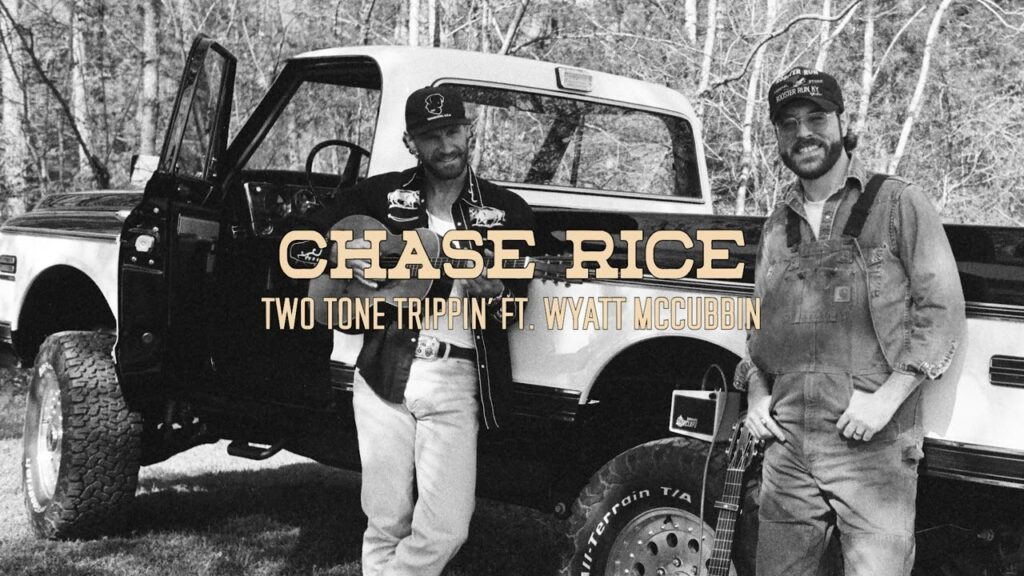
Chase Rice teams up with Wyatt McCubbin for “Two Tone Trippin’,” a smoky, nostalgic cruise through memory, heartbreak, and the kind of ride that stays with you long after the keys are out of the ignition. It’s a slow burn, soaked in southern soul and that undeniable outlaw grit. From the first strum, it’s clear this track isn’t chasing pop charts — it’s leaning into mood and texture. The guitar hums like a well-tuned engine, and the vocals ride over it like worn leather — familiar, rough, and built to last. Rice and McCubbin swap verses with ease, their voices complementing each other like road dust and denim. Lyrically, “Two Tone Trippin’” works as both a literal and metaphorical journey. On the surface, it’s about a car — the kind you keep long after the payments are done because it holds the ghosts of youth and freedom. But underneath, it’s about the baggage we carry: old love, missed chances, and the memories that still rev the engine even when we’re parked. There’s restraint in the production — no bombast, just tasteful licks, warm tones, and that back porch groove that never tries too hard. It’s outlaw country in its more introspective form, reminiscent of late-night drives with the windows down and the weight of the past riding shotgun. The video reflects that exact energy. Moody lighting, vintage Americana aesthetics, and a pace that invites you to settle in rather than race ahead. There’s a cinematic quality to it — not flashy, just rich with feeling. It feels lived-in, like the best outlaw stories always do. Final Verdict: “Two Tone Trippin’” isn’t trying to raise hell — it’s content to haunt you in the quiet. Chase Rice and Wyatt McCubbin deliver a slow-rolling anthem for the ones still carrying echoes of old roads, old loves, and a life that never quite idles. Turn it up, roll the windows down, and let it ride.