
Joe Bonamassa – Broken Record
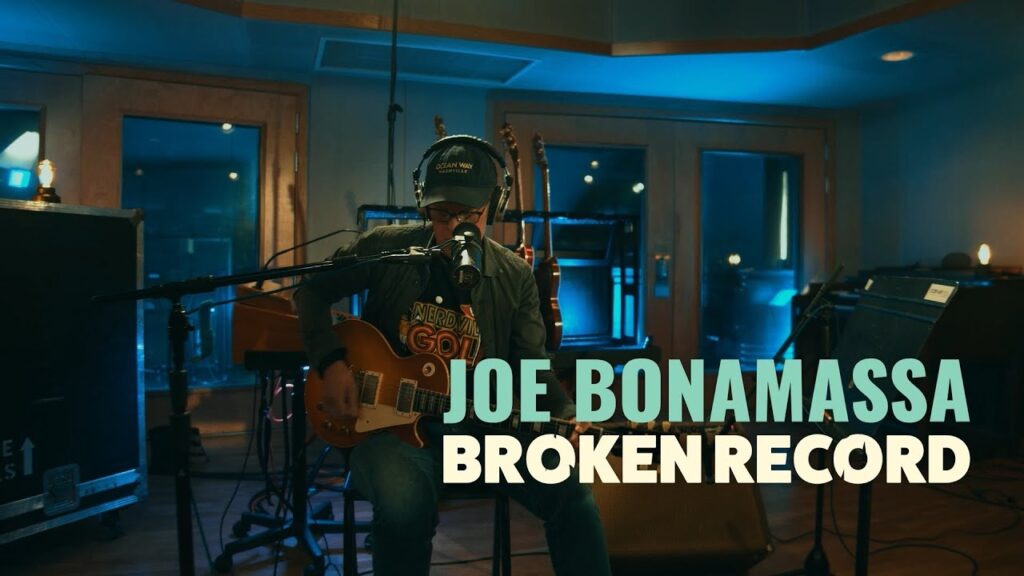
Joe Bonamassa breaks new ground with **“Broken Record,”** the title track from his latest album *Breakthrough*, released July 18. It’s a near-seven-minute ride, equal parts heart-on-sleeve and guitar fire[2]. It starts slow—organ swells and delicate guitar licks introduce the story. But when Bonamassa hits the chorus, it’s volcanic: “I’m a broken record, but I’m still spinning…” The line resonates, bouncing off six-string conviction and lyrical reflection. Produced by Kevin Shirley and recorded in L.A., Nashville, and Greece, the track fuses blues-rock grit with emotive storytelling. As Rock & Blues Muse notes, “Bonamassa at his most fearless,” exploring swing, funk, and arena swagger in one package[3]. The music video captures his dynamic performance style—close-ups on guitar hands, genuine vocals, zero theatrics. Audio’s rich, video’s intimate, and emotion is front and center. Final Verdict: “Broken Record” is Bonamassa sharpening his voice as much as his strings. It’s not just guitar fireworks—it’s soul confession. Solid proof that even the most seasoned artist can still shatter expectations. Sources: Premier Guitar interview reveals songwriting intent and track length context. Blues Rock Review — video drop, style notes. The Music Universe — “most fearless” quote, production details, album context.
Whiskey Myers – Midnight Woman
Whiskey Myers drop the simmering single “Midnight Woman” on July 18 as the third preview from their upcoming album, *Whomp Whack Thunder*, due September 26 via Wiggy Thump Records[1]. It’s swampy. It’s raw. It’s got that voodoo—Cody Cannon calls her “a storm that leaves you dizzy in her wake.”[2] The track builds slow—bass and drums creeping from the swamp, layered with gravel-dipped guitar—until it roars into a full-bodied Southern blues-rock groove. Cody’s voice is thick with swagger, the kind forged under hot lights and harsher nights. His lyrics paint a portrait: “She got that rhythm like Mustang Sally… strong enough to kill a full-grown man.” It’s not just a song—it’s a snapshot of danger wrapped in melody, a “midnight woman” that hits like curveball whiskey and midnight breeze[2]. Musically, it lives in that sweet spot between greasy blues and arena rock. Producer Jay Joyce’s fingerprints are all over it—raw edges intact, but the groove polished enough to let the band’s fire burn clean[1]. Final Verdict: “Midnight Woman” isn’t reaching for nostalgia—it’s staking its own land in the Southern rock spectrum. It drips with danger, soul, and swamp‑drawn intensity. If *Whomp Whack Thunder* runs this deep, we’re in for a scorcher. Sources: Entertainment Focus — Release date, album context (*Whomp Whack Thunder* out 9/26), genre description. Whiskey Riff — Cody Cannon quote, swampy groove description, lyric details.
The Outlaws – “Green Grass and High Tides” (Live 1977)
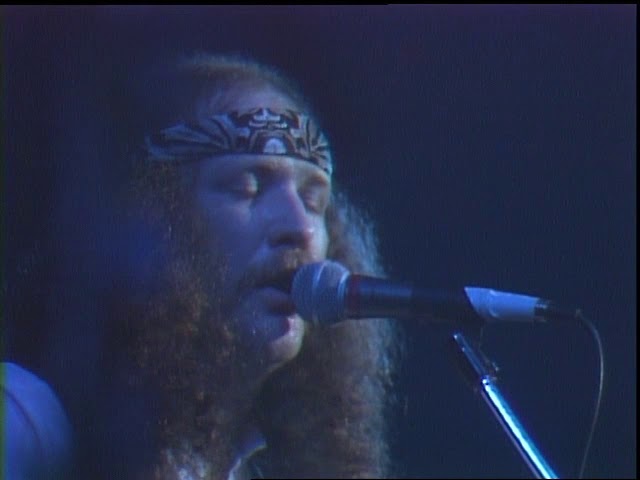
The Outlaws pull six-string magic with **“Green Grass and High Tides”**, a 10-minute epic from their self-titled 1975 album—performed live in 1977 as a signature show closer.[1] This song builds slow—classic twin-guitar harmonies weaving in twilight echo, up through solos that feel infinite. It’s Southern rock majesty layered over scrappy bar roots. Closing with a guitar duel that rolls for minutes? It’s showmanship and soul wrapped into one. Lyrically, it’s simple and powerful—a mournful goodbye to the ones gone and a celebration of the ride left behind. But where it shines is in the audio waves—sun-baked strings, grit-soaked guitars, and a groove heavy enough to sit in your chest. Final Verdict: “Green Grass and High Tides” isn’t just a song—it’s an atmosphere. It’s a guitar-led sunset that never dims. The Outlaws didn’t just play it—they *lived* it. For anyone chasing Southern rock fingerprints, this one’s a must. Sources: Wikipedia – The Outlaws band history, and info on “Green Grass and High Tides” from 1975 album. Wikipedia – Song details and live jam structure.
Lynyrd Skynyrd – Free Bird (Live July 2, 1977 – Oakland Coliseum)
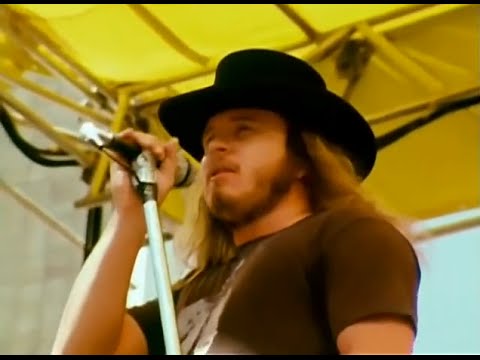
Lynyrd Skynyrd unleash their thunderous signature anthem, **“Free Bird,”** live from Oakland Coliseum on July 2, 1977—just months before the band faced tragedy. This version is full-throttle Southern rock at its rawest.[1] It starts slow, soulful—piano and Ronnie Van Zant’s voice haunting enough to raise goosebumps. But by the mid-song solo? It’s a hurricane of electric guitar, fiery drums, and pure southern travail. Every slide, every scream on that six-minute climax feels like a carved prayer for immortality. This performance isn’t just music—it’s a legacy. The audio’s clean enough to feel like you’re in the crowd, and the video? Authentic stage grit—no glam, just genuine Mayhem in rock form. Final Verdict: “Free Bird” live in ’77 is more than a song—it’s a war cry. It’s the kind of track that shakes ceilings, breaks hearts, and demands to be loud. Even decades later, it still roars like a wildfire. Sources: YouTube – Lynyrd Skynyrd “Free Bird” (Live, Oakland Coliseum 7/2/1977) — Clear vintage audio/video from peak era. Wikipedia – “Free Bird” song history, live reputation, and significance.
Steve Earle – “Copperhead Road”
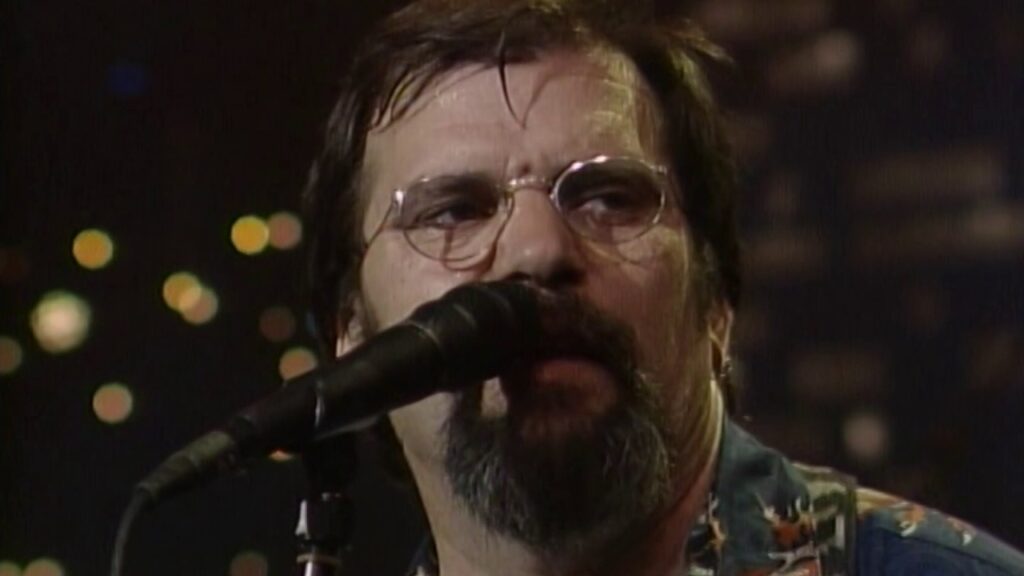
Steve Earle rips into the outlaw legacy with “Copperhead Road,” performed live on *Austin City Limits* in November 1989—an electrifying moment that fuses country grit with rock fury[1]. From the first stomp of drums and snarling guitar, you know this isn’t nostalgia—it’s power. Earle’s voice, seasoned and steady, launches a tale that starts with moonshine and ends in a warzone, all backed by a foot-stomping beat that threatens to blow the roof off. Lyrically, it’s hard-core outlaw mythos: a Vietnam vet turned moonshine maker turned pot grower. Each verse steps heavier into his family’s backwoods legacy and the stakes climb until the DEA shows up. It’s cinematic country with a hard edge. This live ACL version isn’t polished—it’s alive. You can almost smell the stage lights, feel the crowd’s heartbeat, hear the grit in every strum. The solos burn; the band pushes hard, and Earle rides it like a man who bled on these same streets. Final Verdict: “Copperhead Road” live on *Austin City Limits* is a barn-burner. Steve Earle doesn’t just perform—he commands. It’s outlaw country on fire, and it still scorches the right kind of heat, decades later. Sources: YouTube – Steve Earle “Copperhead Road” live from Austin City Limits (Nov 1989) — clean video/audio, full-band live energy. Wikipedia – “Copperhead Road” song release history, outlaw-country classic context.
Brent Cobb – “Bad Feelin”
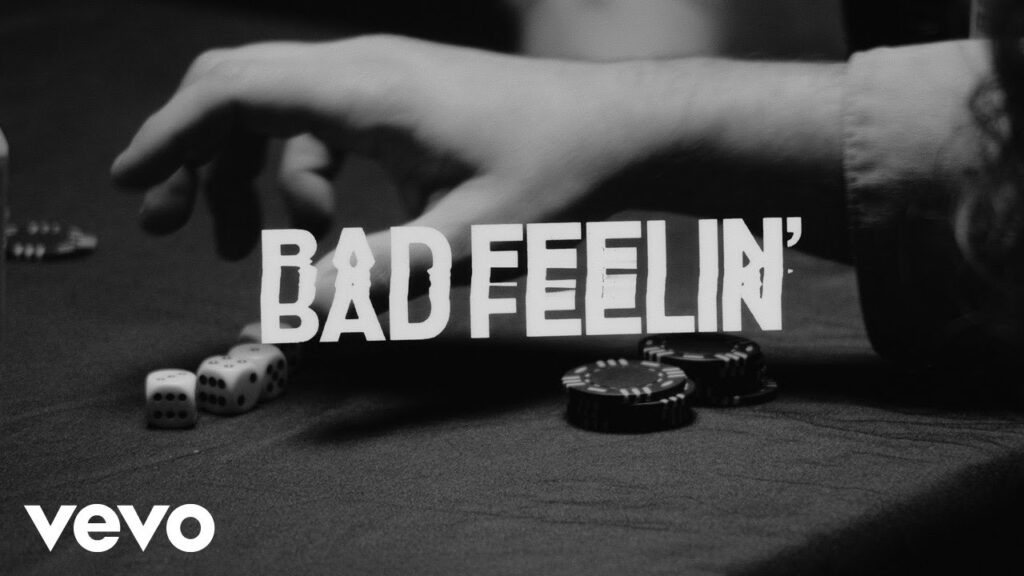
Brent Cobb & The Fixin’s are back and louder than ever on **“Bad Feelin’,”** the gritty blues-rock highlight from their July 11 release *Ain’t Rocked in a While*[1]. Cut live to tape with his band at The Black Palace, Missouri, this track is raw, greasy, and built for full-crank barroom floorboards[2]. The song rolls in with a slow-burning blues groove—rumbling drums, gritty bass, and a twang that hits like sun-stained leather. Cobb’s vocals rumble with lived-in texture, like he’s singing from the backseat of a ’75 Cadillac passing through neon haze. Lyrically, it’s a vibe more than a sermon: alley cats, Cadillacs, late-night dice—a world you can smell through the speakers. That solo? Hot-wire blues that’ll make your soul sweat and your head nod, earning nods to classic Southern rock without ever sounding derivative[2]. Produced by Cobb and Oran Thornton and recorded live, the track feels moment-to-moment—loose, alive, and unfiltered. It’s Southern rock as autobiography: lived experience turned into texture and tension[1]. Final Verdict: “Bad Feelin’” isn’t just a song; it’s a weathered leather jacket you can hear. It strips away everything unnecessary, cranks up the grit, and lets realness do the talking. Cobb & The Fixin’s aren’t just coming back—they’re coming in loud. Sources: That Eric Alper – Release info for *Ain’t Rocked in a While*, track origins, live-tape recording session details. Glide Magazine & Entertainment Focus – Song texture, blues influence, live energy, standout solo mention.
Taylor Acorn – “Goodbye, Good Riddance” – https://www.youtube.com/watch?v=wSd4gYDEmqo

Taylor Acorn delivers a gritty breakup anthem with “Goodbye, Good Riddance,” her first single since signing to Fearless Records on July 11, 2025[1]. Written as a cathartic middle finger to a toxic past, it roars with pop-punk energy and unapologetic release[2][3]. The track kicks off with crunchy guitar riffs and high-octane drums that feel made for stadiums. Acorn’s voice delivers lines like “have a good life without me in it” with both smirk and sting. She’s channelling Avril Lavigne’s angst and Paramore’s big‑chorus power, but with an emo‑rock sincerity all her own[2][4]. Lyrically, it’s a victory lap—tossing a “good riddance” to someone who messed around and blew it. Acorn called it “one of my favorite songs I’ve ever written,” praising its fun, gritty tone and predicting it’ll be a killer live moment[1][2][5]. The chorus hooks instantly, designed to rally hands—and reeds—at any Summer School Tour stop. The music video leans into that vibe, offering a vengeful atmosphere while ditching relationship clichés. Rather than dramatizing heartbreak, it re‑armifies Acorn with race tracks, defiant expressions, and crowd-friendly visuals—implementing community strength over melodrama[3]. Final Verdict: “Goodbye, Good Riddance” is Taylor Acorn at full throttle—empowered, edgy, and in control. It’s not just a breakup anthem—it’s a statement of self-worth and swagger. This track proves she’s stepping confidently into her Fearless era—and she’ll keep taking no prisoners on stage. Sources: The Daily Music Report — release date, Fearless Records debut, songwriter note. Folk N Rock — sonic comparison to Avril Lavigne/Paramore, live energy quote. Rock Sound — tone, video vibe, empowerment context. Chorus.fm — release details. MetalNerd — songwriter’s statement about favorite-written track and live expectations.
Chase McDaniel – “Lost Ones”
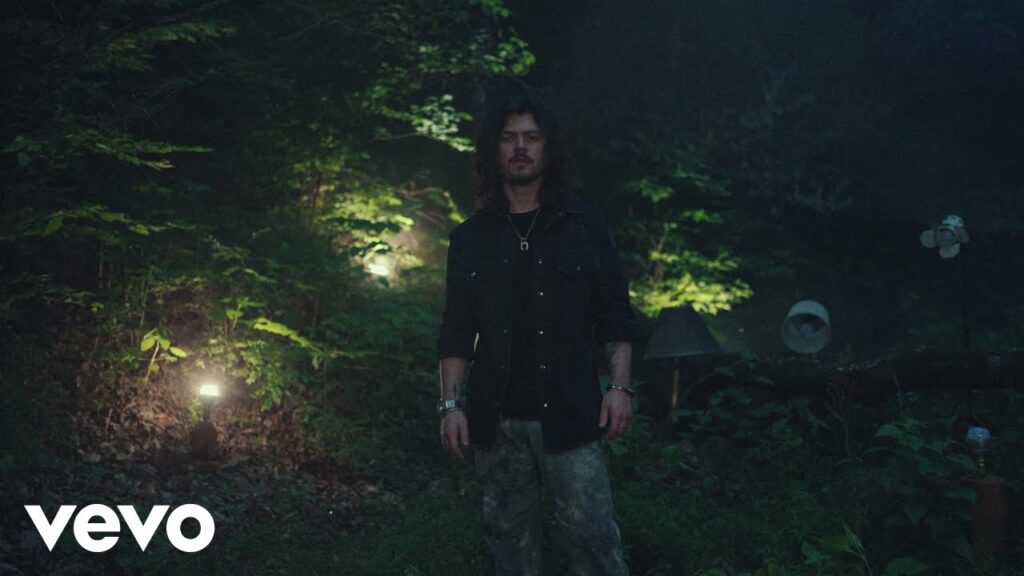
Chase McDaniel goes deep with “Lost Ones,” the soul-bearing title track from his autobiographical debut album, arriving September 19 via Big Machine Records[1]. This waltzing ballad doesn’t shy away from heavy truths—McDaniel channels grief, hope, and a relentless fight for light[2]. From the opening mournful piano and weeping steel guitar, you feel the weight behind McDaniel’s gravelly baritone. When he sings, > “Hurtin’ so loud but they don’t make a sound,” you hear a voice not just telling his story—but speaking for those standing in shadows, waiting to be seen. Co-written with Chris LaCorte and Josh Miller, the song forms the emotional backbone of an album rooted in McDaniel’s life—from losing his father to addiction to wrestling with depression—but tempered by resilience and catharsis[1]. Produced by Lindsay Rimes, it’s a sparse, haunting country-rock confessional. The music video, directed by Robby Stevens, mirrors the song’s message: woodland landscapes, a man struggling to light a flame, and handwritten words plastered over confessions like “Lost, Broken, + Addicted.” It ends on dawn’s first light, as McDaniel asks gently, “Hey man, you need a light?” and the 988 Suicide & Crisis Lifeline appears on screen—an authentic reach-out disguised as art[2]. Final Verdict: “Lost Ones” transcends music—it’s a lifeline. Chase McDaniel strips away the noise to deliver a raw, intimate message: you’re not alone. If you’ve ever felt unseen or unheard, this song is your mirror, your moment, your moment to breathe. Sources: Big Machine Label Group — Album announcement, personal backstory, Sept 19 release, co-writing details. The Music Universe & Big Machine video press release — Video breakdown, visual imagery, and mention of 988 helpline.
Marcus King – “Carry Me Home”

Marcus King delivers a haunting, homesick anthem with “Carry Me Home,” the first single from the upcoming *Darling Blue* album, set to drop September 26 (MusicRow). In his words, it was “the first song that poured out of me,” a deeply personal homage to the Blue Ridge landscape (Grateful Web). The track opens with a soulful guitar sigh — part blues, part gospel, all honest. Marcus’s voice carries that familiar ache, now deepened by reflection. Layered harmonies feel like old roots, grounding the song in Southern dirt and memory. Lyrically, this is a love letter to home. It’s an ache for the land—the mountains, the air, the belonging. King’s choice to pen it so quickly tells the tale: this isn’t crafted; it *spilled out* of him (Grateful Web). Musically, it slots perfectly between country, folk, and blues-rock—the kind of emotional depth found on *Mood Swings*, but brighter, wiser, and more homespun (MusicRow). The visualizer mirrors the tone—fields lit by fading sun and no-frills imagery, letting the music and emotion take center stage. Final Verdict: “Carry Me Home” is Marcus King at his most genuine—homesick, heartfelt, and wholly connected to his roots. With *Darling Blue* on the horizon, this single proves he’s not just a guitar virtuoso—he’s a storyteller with something real to say.
Cody Jinks – “The Others”

When Cody Jinks drops a song like “The Others,” you don’t just listen — you lean in. This one isn’t made for radio or riding trends. It’s a raw-boned hymn to the outsiders, the drifters, the half-wrecked hearts still beating in the back corners of this world. It’s outlaw country in its truest form — no polish, no pretense, just pain and purpose delivered with a steel gaze. “The Others” opens slow and deliberate, like a man who’s lived long enough to measure every word before he speaks. The instrumentation stays restrained — warm acoustic guitar, dusty slide, and just enough echo to feel like you’re sitting in a quiet room with Jinks himself. His voice? Still one of the best in the game — cracked in the right places, deep as a well, and full of quiet conviction. Lyrically, this is Cody doing what he does best: speaking for those who don’t get a verse in mainstream country. “We are the others / You won’t find us on the cover,” he sings, and it hits like truth. This song doesn’t romanticize the rough edges — it *honors* them. It’s a middle finger to the sanitized version of country that ignores the real grit. But it’s also a kind of embrace — for the ones who’ve been forgotten, left behind, or just never fit in. The accompanying video strips everything down even further — just Jinks, his guitar, and a camera. No distractions. The lighting is stark, the backdrop simple, and every visual choice keeps the focus on the words. It’s a performance, sure — but it feels more like a testimony. Final Verdict: “The Others” is vintage Jinks — defiant, heartfelt, and unflinchingly honest. It’s not just a song; it’s a quiet revolution against everything plastic in country music. It’s a reminder that the best stories aren’t always the loudest ones — sometimes, they’re the ones whispered by the folks just trying to make it through. If you’re one of the “others,” this one’s yours.