
Tesla – “From The Heart”
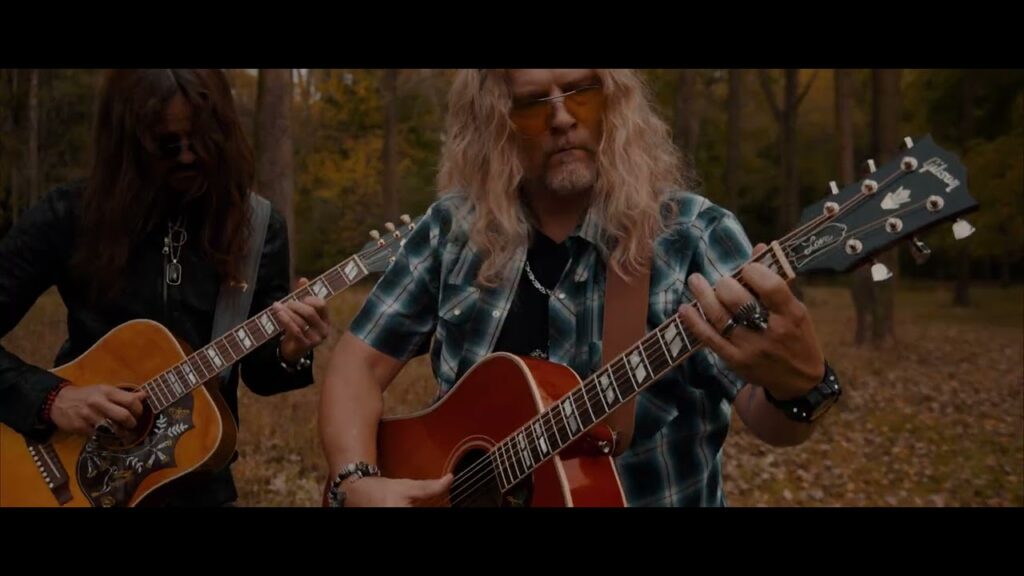
Some bands evolve. Others endure. Tesla? They persist — like engine oil on denim or cigarette smoke in the backseat of a ‘78 Camaro. “From the Heart,” off their All About Love EP, is exactly what the title says it is: a direct transmission of feeling, fired through tube amps and sung with gravel-laced conviction. The first thing you notice is how warm this track feels. Not just in the analog fuzz of the guitars — which are damn near perfect, by the way — but in the delivery. Jeff Keith’s voice ain’t what it used to be, maybe, but that’s the beauty of it. He doesn’t sound like a man trying to chase youth. He sounds like a man owning his age, his scars, and his sincerity. The riff work is classic Tesla — melodic, blues-rooted, just enough dirt to keep it real. Nothing feels overworked. No polished Nashville glitz, no modern radio tricks. Just good old-fashioned rock & roll played by a band that still believes in songs that mean something. Lyrically, “From the Heart” leans simple — but don’t mistake that for shallow. There’s a reason the classics hit hard. This one’s built on the kind of earnest, no-bullshit declarations that came straight out of the late ’80s playbook: “If I say I love you, I mean every part / You can take this truth straight from the heart.” That’s not trying to be clever — that’s just being true. And honestly? In a world full of ironic detachment and posturing, hearing a grown man sing that like he still believes in it… that’s outlaw in its own way. No pretense. No persona. Just love, loud and clear. The band’s chemistry is tight, as you’d expect. These guys aren’t mailing it in — they’re still playing like it matters. The solos soar but never showboat. The rhythm section swings with that seasoned confidence that only comes from years of playing dirty bars and huge arenas alike. “From the Heart” is the kind of track that might get overlooked by critics chasing trends, but it’ll stick with fans who never gave a damn about trends in the first place. It’s not here to reinvent the wheel — it’s here to remind you why wheels matter. For Tesla, this song ain’t a comeback. It’s a reminder. They never left. And they’re still singing from the place where it all began — the heart.
Them dirty Roses – “Candle In The Dark”

“Candle in the Dark” ain’t your average Southern rock track. Them Dirty Roses come out swinging with something slower, heavier — a late-night confessional dressed in denim and regret. It’s the sound of a man sitting alone with a drink in his hand and ghosts on his shoulder, lighting a candle not to find his way, but to remember who he lost. This one’s soaked in Southern soul — from the opening licks to the slow-burning drum groove that never hurries, never relents. The guitars cry like they’ve got a story of their own, bending notes the way a man bends his pride just to get through the night. There’s restraint here, but also fire. That’s a hard line to walk — and they walk it in worn-out boots. Vocally, the delivery is damn near perfect. It’s not polished — it’s present. Every word feels like it’s coming from the chest. The singer doesn’t belt for the sake of drama. He aches, and you feel every ounce of it in lines like, “I still leave a light on, though I know you won’t come back.” That’s not theater — that’s truth. The production gives the song plenty of breathing room. Nothing feels cluttered. Every instrument is where it needs to be. The slide guitar glides in like a memory you didn’t ask for. The keys hum in the background like a prayer you’re not sure you believe in anymore. And lyrically, this is outlaw poetry. It’s not about raising hell. It’s about surviving it. There’s pain in every verse, but also grace — the kind you only earn after you’ve ruined something good and sat with the pieces long enough to know what they meant. “Candle in the Dark” is a love song, sure, but it’s also an apology. And maybe even a eulogy. There’s no neat resolution here. No Hollywood ending. Just the glow of that candle and the weight of knowing it’s your own damn fault it had to be lit in the first place. Them Dirty Roses don’t overplay their hand here. They don’t need to. The song does the heavy lifting — and the silence between notes says more than most bands manage with a full page of lyrics. “Candle in the Dark” is for the late nights, the long drives, and the moments when you realize you’re not as over her as you told your friends you were. And that makes it one hell of a song.
Colin Stough – “White Trash”
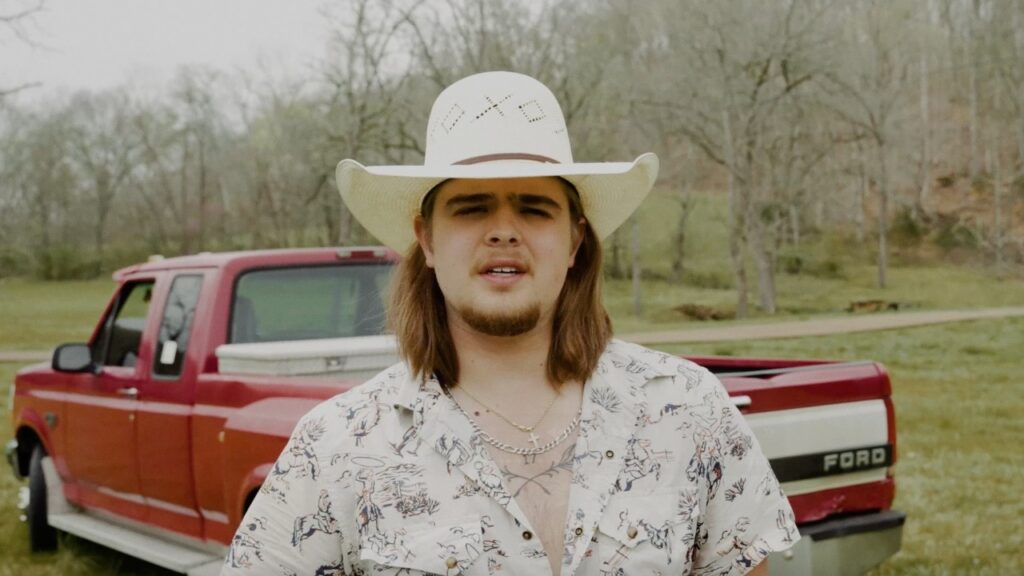
“White Trash” by Colin Stough doesn’t apologize, doesn’t flinch, and sure as hell doesn’t ask for your approval. It comes out swinging, reclaiming a slur and turning it into a battle flag — a badge of honor for those who’ve lived hard, loved wild, and built their world from the ground up with little more than grit and stubborn pride. Stough, still riding the smoke from his American Idol breakout, proves here that he’s not just some polished TV cowboy. He’s got edge — the kind that doesn’t need permission to bleed into the track. His voice is rough around the edges in all the right ways — raspy, cracked, and soaked in southern sweat. It’s the sound of someone who’s earned every lyric. The production on “White Trash” leans into country rock with a heavy stomp. Guitars grind with a bluesy sneer while the drums feel like they’re being played with fists instead of sticks. But even in all that aggression, the song’s heart stays honest. There’s melody beneath the attitude, a kind of blue-collar vulnerability that makes it more than just posturing. Lyrically, it’s not a defense — it’s a declaration. “Call me white trash, I’ll wear it like a crown” — that’s not bitterness, it’s pride. Stough’s not trying to escape his roots. He’s planting them deeper. The song doesn’t sugarcoat the lifestyle — it embraces the roughness, the chaos, the beauty in imperfection. The kind of life where duct tape fixes more than just broken tail lights. What separates this from cheap outlaw cosplay is sincerity. You believe him. You believe he’s seen both sides — the struggle and the strength. And you believe that when he sings about getting back up after falling, he’s not reading from a script. He’s telling you what happened last week. There’s a raw energy to this track that makes it stick. It’s not catchy in the TikTok sense — it’s catchy in the way an old fight song gets stuck in your soul. It makes you want to drive fast, shout loud, and hug your people a little tighter. Because it ain’t just about white trash — it’s about owning your scars. Colin Stough may be new to the game, but with “White Trash,” he’s made his lane clear. It ain’t polished, it ain’t pretty — but it’s real as hell. And in the outlaw world, that’s the only thing that counts.
Blackfoot feat. Rickey Medlocke – “Southern Native”

“Southern Native” by Blackfoot, featuring the one and only Rickey Medlocke, ain’t just a song — it’s a war drum wrapped in electric thunder. This track stomps in with its boots muddy and its soul ablaze, bridging old-school Southern rock with Native pride and outlaw fire. It doesn’t just honor heritage — it carries it like a shield. Right from the jump, you know you’re not in for subtlety. The guitars are loud, proud, and unapologetically sharp — the kind of twin-lead attack that could’ve blown the roof off the Grand Ole Opry if anyone dared let them through the front door. This isn’t country-lite or crossover fluff. This is Southern rock the way God and Ronnie Van Zant intended: loud, layered, and built for open roads. But what sets “Southern Native” apart is the purpose behind the power. Medlocke — who’s got both Blackfoot and Lynyrd Skynyrd running in his blood — doesn’t just sing this song. He owns it. You hear pride in his voice, but also pain. Defiance, but also clarity. He’s not just performing. He’s telling a story — one that belongs to generations before him and will outlive us all. The chorus hits like a tribal chant fused with Marshall stacks: “I’m a Southern native / proud of who I am.” It’s simple, sure. But the weight it carries is generational. This is heritage rock — not in the nostalgic sense, but in the this is who I am and you better respect it sense. The percussion has this underlying pulse that almost mimics a ceremonial beat, giving the track spiritual undercurrents beneath the riff-heavy surface. It’s a subtle nod to Medlocke’s Native American roots — layered, not labeled. And lyrically? It’s a raised middle finger to dilution. It ain’t about blending in. It’s about standing out. Standing firm. Letting your scars show and being damn proud of the skin you’re in. “Southern Native” is more than just a Southern rock anthem — it’s a cultural reckoning with distortion pedals. It says: I come from something real. Something earned. And I won’t let that be forgotten just because the airwaves want cleaner edges and easier stories. In a world where too many acts are chasing algorithms and streaming numbers, Blackfoot and Medlocke are still chasing truth. And “Southern Native” is a battle cry that reminds us where this music came from — and who it belongs to.
Drive-by Truckers – “Outfit”

“Outfit” isn’t just a song — it’s a life lesson passed down with a beer in hand and calloused hands pointing the way. Originally written during Jason Isbell’s time with the Drive-By Truckers, this track has taken on a mythic glow over the years. It’s raw advice, carved out of red clay and Southern truth, delivered like a punch in the chest followed by a hug you didn’t know you needed. Isbell wrote it from the perspective of his father — a man who worked hard, kept his head down, and didn’t suffer fools. That grit is in every line. “Don’t call what you’re wearing an outfit / Don’t ever say your car is broke” — these aren’t punchlines. They’re survival rules. They’re how to walk through the world with dignity, even when the world’s trying to grind you down. The song is simple musically — and it should be. Acoustic guitar up front, steady rhythm behind it, and a little slide guitar weeping around the corners. No flash, no fuss. The production does what it’s supposed to do: get out of the damn way and let the story breathe. And what a story it is. You don’t hear many modern songs where a man tells his son: “Don’t sing with a fake British accent / Don’t act like your family’s a joke.” But here, it lands like gospel. There’s no pretense, no shame, just honest-to-God advice from someone who’s been through the wringer and wants to make sure his boy knows where the ditch is before the tires hit it. Isbell’s voice isn’t flashy. But it’s real. Every word sounds like he believes it — maybe even still needs to hear it himself. And that’s what makes it powerful. Because no matter how polished his later solo career has become, “Outfit” will always be the track that shows you where he came from — and why he matters. It’s a southern song, no doubt. But not in the beer-commercial way. This is working man South. Don’t screw around with what matters South. And there’s a kind of pride in that — the kind that doesn’t need to shout to be heard. “Outfit” ain’t for the radio. It’s for the moments when you’re staring at yourself in the mirror wondering if you’ve become the man your old man warned you about. And when that moment hits, this song’s there, saying, “It’s not too late to straighten up.”
Crobot “Obsidian”
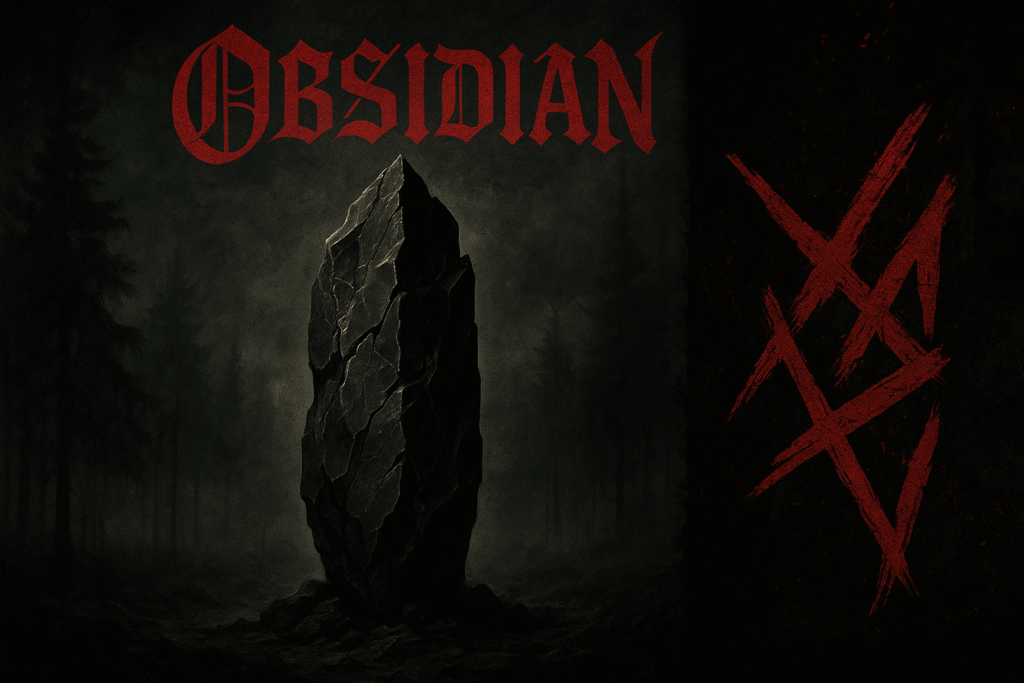
Crobot – Obsidian: A Black-Honed Rock Rebirth Obsidian, Crobot’s fifth LP, marks a powerful evolution in their sonic journey—an electrifying dive into gritty, riff-heavy territory. Recorded in Austin and self-produced, band members Brandon Yeagley and Chris Bishop lean into atmospheric metal while retaining their signature swagger. The album opens with its title track, a crushing blast of dark-soaked riffs and Yeagley’s impassioned howl. It’s raw, propulsive, and instantly compelling—a true statement of intent. “Nothing” continues the momentum, sliding between anthemic choruses and relentless groove, punctuated by the line “We all bleed so we can feel alive,” a fitting outlaw mantra. Then comes “Come Down,” the record’s heaviest moment, reminiscent of Alice In Chains in its smoky weight. The double-bass chugs, sonic layering, and bone-driven delivery prove Crobot are digging deeper into metallic territory without losing their accessibility. Tracks like “Ancient Druid Crown” and “Head of the Beast” showcase diverse riff textures, merging stoner rock with 90s grunge depth. The stand-out “Happiness” flips the script—an unexpected closing power ballad that showcases true range: softer, yet heartfelt, guitar-led, and emotionally resonant. It highlights the growth Yeagley and Bishop bring as songwriters. Production by Alberto De Icaza packs clarity and weight—nothing buried, everything heavy yet polished. Obsidian leaves listeners with tingling anticipation—this isn’t a rock record; it’s a statement of intent that’s atmospheric, muscular, and unapologetically rebellious. Verdict: A late-night jam with riffs that roar, vocals that soar, and a surprise emotional payoff. Obsidian carves Crobot’s mark in 2025 rock—not retro, but forward-pushing, dark-hued, and defiantly real.