
The Outlaws – “Green Grass and High Tides” (Live 1977)
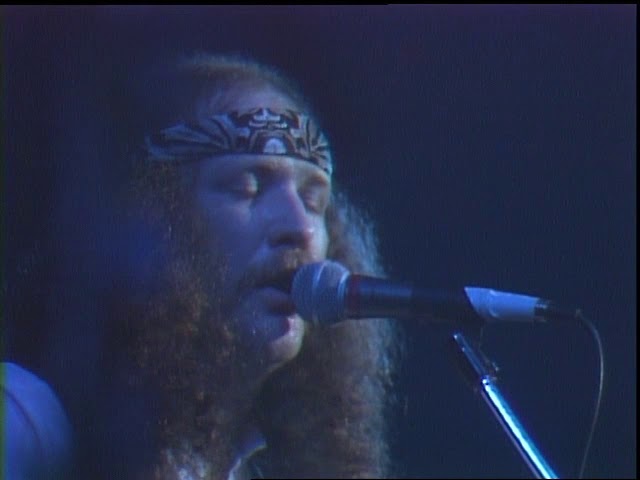
The Outlaws pull six-string magic with **“Green Grass and High Tides”**, a 10-minute epic from their self-titled 1975 album—performed live in 1977 as a signature show closer.[1] This song builds slow—classic twin-guitar harmonies weaving in twilight echo, up through solos that feel infinite. It’s Southern rock majesty layered over scrappy bar roots. Closing with a guitar duel that rolls for minutes? It’s showmanship and soul wrapped into one. Lyrically, it’s simple and powerful—a mournful goodbye to the ones gone and a celebration of the ride left behind. But where it shines is in the audio waves—sun-baked strings, grit-soaked guitars, and a groove heavy enough to sit in your chest. Final Verdict: “Green Grass and High Tides” isn’t just a song—it’s an atmosphere. It’s a guitar-led sunset that never dims. The Outlaws didn’t just play it—they *lived* it. For anyone chasing Southern rock fingerprints, this one’s a must. Sources: Wikipedia – The Outlaws band history, and info on “Green Grass and High Tides” from 1975 album. Wikipedia – Song details and live jam structure.
Lynyrd Skynyrd – Free Bird (Live July 2, 1977 – Oakland Coliseum)
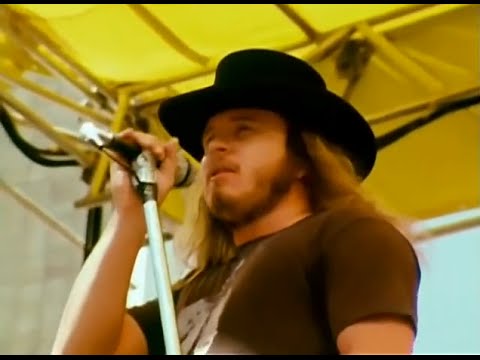
Lynyrd Skynyrd unleash their thunderous signature anthem, **“Free Bird,”** live from Oakland Coliseum on July 2, 1977—just months before the band faced tragedy. This version is full-throttle Southern rock at its rawest.[1] It starts slow, soulful—piano and Ronnie Van Zant’s voice haunting enough to raise goosebumps. But by the mid-song solo? It’s a hurricane of electric guitar, fiery drums, and pure southern travail. Every slide, every scream on that six-minute climax feels like a carved prayer for immortality. This performance isn’t just music—it’s a legacy. The audio’s clean enough to feel like you’re in the crowd, and the video? Authentic stage grit—no glam, just genuine Mayhem in rock form. Final Verdict: “Free Bird” live in ’77 is more than a song—it’s a war cry. It’s the kind of track that shakes ceilings, breaks hearts, and demands to be loud. Even decades later, it still roars like a wildfire. Sources: YouTube – Lynyrd Skynyrd “Free Bird” (Live, Oakland Coliseum 7/2/1977) — Clear vintage audio/video from peak era. Wikipedia – “Free Bird” song history, live reputation, and significance.
John Fogerty – “Legacy: The Creedence Clearwater Revival Years”

Some voices don’t age — they just get weathered like good leather or a well-worn Strat. John Fogerty’s “Legacy: The Creedence Clearwater Revival Years” isn’t a single song, it’s a damn statement, a full-circle moment wrapped in the smoke of bayou rock and barroom memories. At 80 years old, the man’s not just revisiting his past — he’s dragging it back into the light, showing us that legacy ain’t a dusty museum piece. It’s alive. It growls. This re-recording project is more than nostalgia. Fogerty’s rounded up his family — sons Shane and Tyler — to lay down these tracks again. The result? Less a tribute, more a time-warp. It’s CCR, but with the ache and gravity of a man who’s lived the verses he once just sang. When “Have You Ever Seen the Rain?” hits, it ain’t youthful melancholy anymore — it’s seasoned sorrow. “Fortunate Son” doesn’t just sound defiant — it feels earned, barked out like a man still pissed at the machine. The band behind him doesn’t try to modernize what doesn’t need fixing — they let the guitars snarl, the drums swing, and that unmistakable voice do the heavy lifting. Production-wise, it’s crisp. But not sterile. There’s a rough warmth to it — like everything was recorded in a room with low ceilings, wood walls, and a lot of ghosts. The harmonies are tighter, but the emotion’s looser. You can tell Fogerty isn’t just reading lines — he’s reliving chapters. And that’s where the outlaw spirit kicks in. Fogerty’s always stood a bit left of Nashville, left of L.A., hell — left of damn near everybody. He carved his sound out of swamp water and soldier grit, and this project proves he’s still carrying the torch without letting it flicker. The album isn’t flashy. It doesn’t try to reinvent the wheel. But it doesn’t have to. It’s a victory lap from a man who ran the race in steel-toe boots and never once stopped to ask for directions. You don’t just listen to “Legacy” — you thank it. Because in a world full of flash-in-the-pan wannabes and algorithm-built hooks, there’s still something holy about a voice that’s been there, done that, and lived to sing about it again.