
Nu Breed & Jesse Howard – “Smiles”

“Smiles” is a down-to-earth tune that resonates with its unvarnished truth.
The Lacs- Livin’ On A Backroad
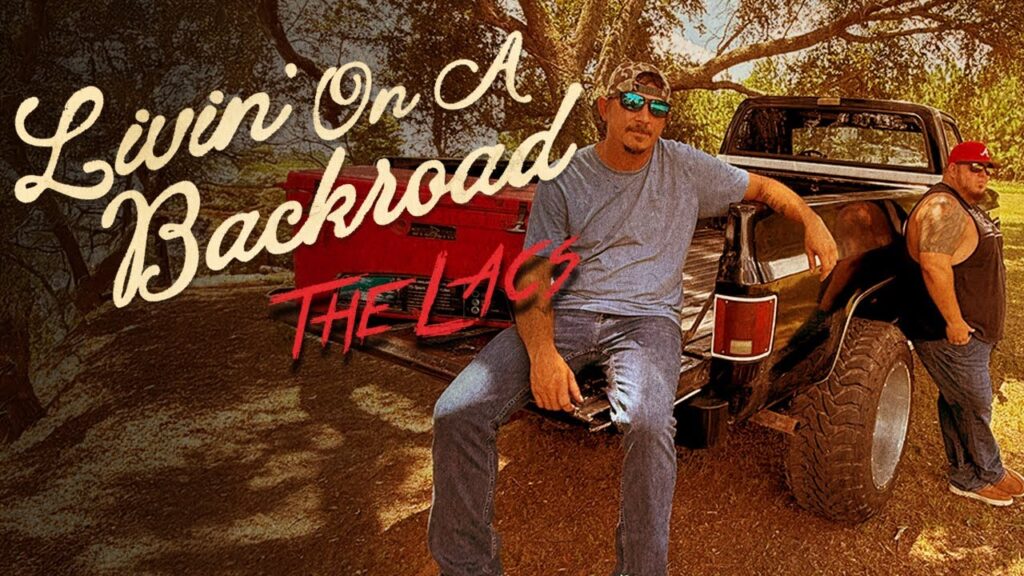
“Livin’ On A Backroad” is a summer-ready bruiser—tight, loud, and built for real-world speakers. It won’t change your worldview, but it will change your evening plans.
South Bound Twin – “Texas Thang” ft. Big Tuck
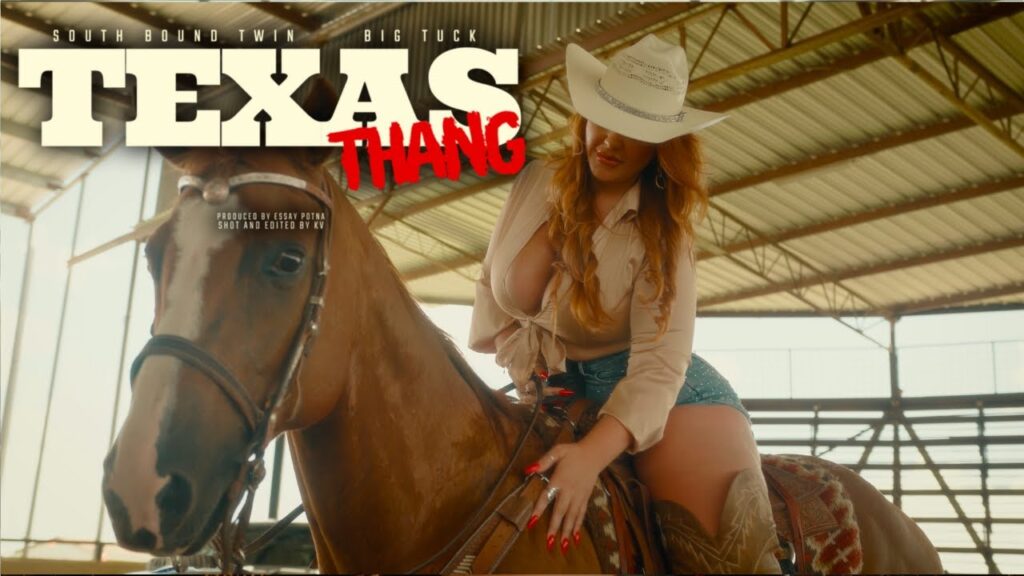
A punchy country-rap burner with real Lone Star attitude. If you want something that bangs and still smells like cedar smoke, this one’s your pull.
Buck Forrest – Big Dawg Status
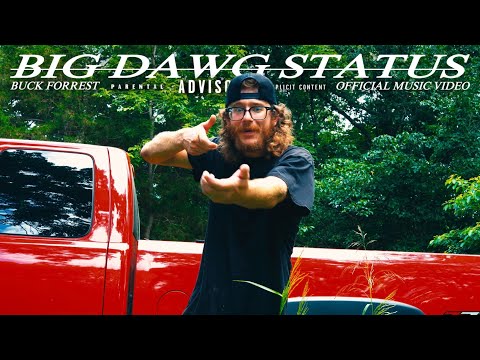
“Big Dawg Status” is more than a song; it’s a declaration of independence in a world that tries to box in creativity. Buck Forrest has once again proven that he’s a force to be reckoned with in the outlaw music scene
Jamie Ray – “Man”

Jamie Ray returns with a hard-hitting banger in “Man,” the lead single off his surprise EP *SIXER II*, released July 11[1]. No filler—just raw emotion, undeniable swagger, and a rapper’s barbed-wire flow wrapped in country soul. The track jumps in bold—haunting vocal hums, deep bass pulses, and Jamie’s voice, rasped by life and sharpened by truth. This isn’t a studio tinkered pop-rap track. It’s live-wire country-trap that sounds like you *feel* it in your chest. Lyrically, it’s bold and soulful. His verses peel back mask and pride—telling a story of self-worth, respect, and claiming space on his own terms: > “You gon’ know who I am, not just a hashtag.” He’s standing in the spotlight, no apologies, refusing the filter. The video, premiering on July 11, plays like a gritty visual poem: low-lit rooms, subtle flare, no frills—just a man speaking in tongues of art, edge, and no bullshit morals[2]. It captures the contrast—Brawler and bard, rough around purpose. Final Verdict: “Man” isn’t just a country-rap track—it’s an introduction. Jamie Ray storms in unfiltered, forging a path for realness in the crossover lane. If this is *SIXER II*’s mission statement, listeners better buckle up. Sources: Jamie Ray’s Instagram and EP announcement (SIXER II) – July 11, 2025 — confirmed single drop and EP context. YouTube – “MAN” Official Music Video upload details and video style.
David Morris – King Of The Heartland
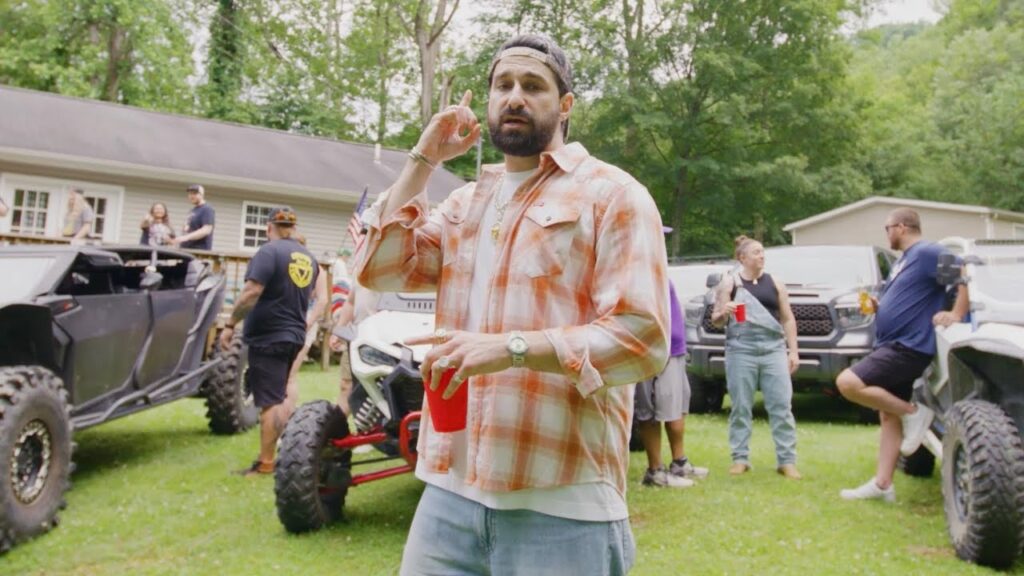
David Morris isn’t just riding the line between country and hip-hop — he’s turning it into his own backroad highway. “King of the Heartland” is a flex, sure, but not the city-slicker kind. It’s a pride anthem built on diesel smoke, football dreams, and the grit that comes from growing up where making it means never forgetting where you started. The track kicks off with a pounding beat and a smooth acoustic loop, a blend of backwoods swagger and streetwise bounce. Morris drops verses with confidence, each line a nod to hometown hustle and heartland hustle — where your name carries weight, even if it’s only in a 50-mile radius. His delivery feels natural, like a front porch storyteller who knows how to spit bars as well as swap them. But this ain’t just country rap for the sake of it. Morris brings sincerity underneath the bravado. “I was raised on love and hand-me-downs / Turned those hand-me-downs to a throne somehow.” It’s that blend of blue-collar resilience and dreamer’s ambition that gives the song its legs. He’s not trying to sound like Nashville. He’s sounding like *us* — the folks who built something out of what little we had. The video backs it up with crisp visuals of backroad cruising, high school football lights, and neighborhood pride — capturing the everyday royalty he’s singing about. No rented mansions. No bikini-clad extras. Just friends, family, and the kind of life where being known at the gas station means more than trending on TikTok. Production-wise, it’s slick but grounded. The beat slaps, but the acoustic elements keep it anchored in something real. Morris doesn’t overdo it — he lets the blend breathe. And that’s what sets this apart from the copycats: it’s not a gimmick. It’s a lifestyle. Final Verdict: “King of the Heartland” proves David Morris wears the crown of his corner of the world with pride — not because it was handed to him, but because he earned it. It’s outlaw in attitude and DIY in execution. A salute to the ones who stayed true and still made noise. Raise a toast, rev the engine, and turn it up.
Colt Ford and Caden McGuire – “Farmboy”
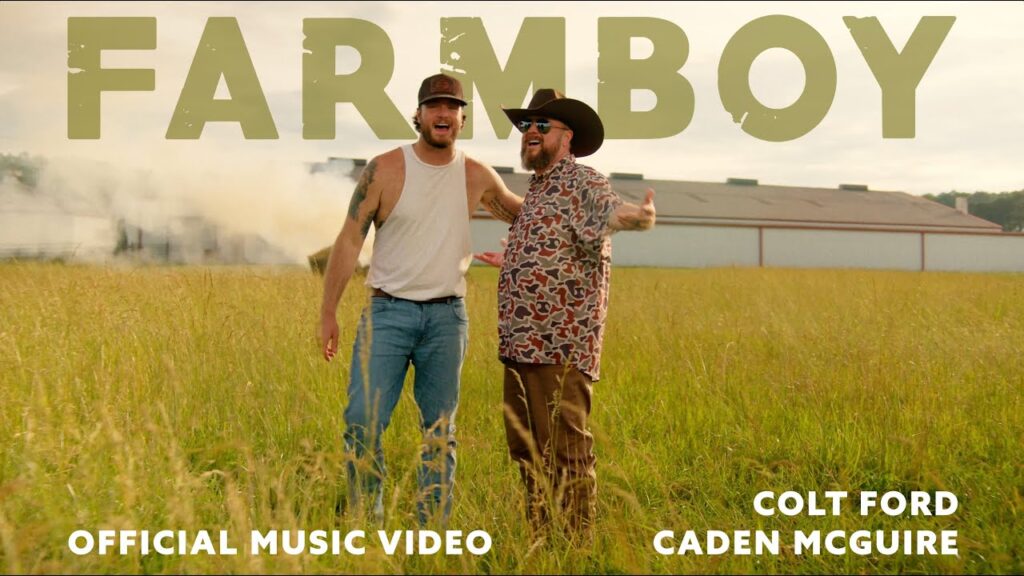
Colt Ford’s “Farmboy” is a mud-slingin’, bass-thumpin’ declaration of rural pride — loud, unapologetic, and packed with more country flavor than a tailgate full of barbecue. This ain’t about subtlety or radio polish — it’s Colt at his most rugged, shouting out to the dirt-road diehards who wear boots to weddings and crank up the subwoofers on their tractors. The beat is hard and heavy — hip-hop bones with country skin. Colt’s flow is loose and familiar, more spoken word than rap, and that’s always been his magic. He ain’t trying to be Eminem in camo; he’s just telling it like it is, country-boy style. Guitars chug under the surface like they’re pulling plows, and the bass hits like it’s got a Confederate tattoo and a chip on its shoulder. What really makes “Farmboy” land is the attitude. Colt’s not pretending this life is glamorous. He’s proud of the sweat, the callouses, the grit. “I was born in the sticks / Where the sun beats down and the work never quits.” That’s not a punchline — it’s gospel for folks who live that grind every damn day. The video is exactly what you’d expect — lifted trucks, field parties, bonfires, American flags, and folks gettin’ rowdy. It’s more a lifestyle statement than a narrative, and that’s fine. It feels authentic to Ford’s base, and they’ll eat it up with a side of pork rinds. This isn’t performative country — it’s a loud, proud slice of rural reality, dipped in grease and served with a smirk. Now, to be fair, “Farmboy” won’t convert any skeptics. If Colt’s outlaw-country-meets-country-rap formula doesn’t sit right with you, this track won’t change your mind. But for the boots-on-the-ground crowd — the ones who wear camo to church and keep Copenhagen in the console — this is the kind of anthem that reminds them they still have a voice in a genre that keeps forgetting its roots. Final Verdict: “Farmboy” is pure Colt Ford: raw, rowdy, and rooted deep in the backwoods. It’s not polished, it’s not subtle, and that’s exactly the point. For the outlaws who live with their hands dirty and their music loud, it’s a fist-pumpin’ reminder that the real ones never left — they’ve just been out in the fields, getting the job done.
Charlie Farley Ft Ryan Aubrey – Still The Same
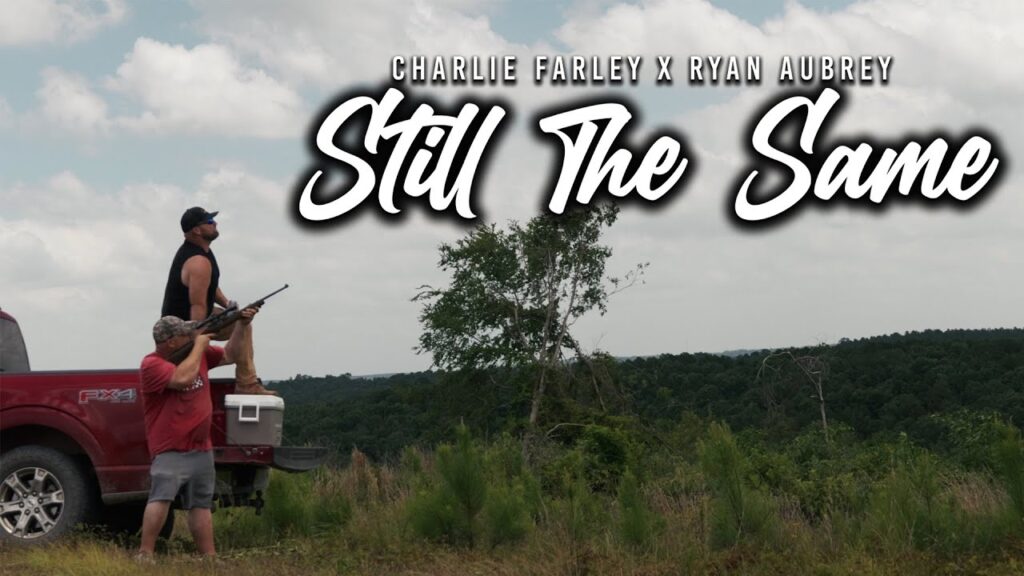
Charlie Farley’s “Still the Same” is a defiant nod to the ones who never changed to fit in — the folks who stayed true, kept their boots muddy, and didn’t trade their backbone for a bigger audience. It’s equal parts Southern pride and outlaw reflection, delivered with Farley’s signature blend of rap-influenced phrasing and rural grit. The track opens with acoustic guitar licks that feel like front porch storytelling — casual, warm, and familiar. But it’s not long before the bass drops and Farley leans into his flow. This isn’t country rap for TikTok trends — this is Southern-fried authenticity with a lyrical edge. He’s not flexing chains or fake pain. He’s laying out his life like a hand of worn cards, and he ain’t bluffing. Lyrically, “Still the Same” is about identity. Farley walks us through his small-town roots, hard-earned values, and the kind of loyalty that doesn’t make headlines but builds legacies. “Ain’t no sellin’ out / I ain’t signin’ up to play their game,” he spits, and you believe every syllable. This is a man who knows what he’s about — and that self-awareness carries more weight than any label contract. The production is tight but earthy. Beats thump, but the acoustic guitar remains front and center — grounding the track in its country core. It walks the line between outlaw country and Southern hip-hop, and it does it without tripping over clichés. That balance is rare, and Farley pulls it off because he’s not trying to impress anyone. He’s just telling his truth. Vocally, his delivery is rhythmic but unforced. There’s a calm authority in his voice — like a man who’s fought his fights and made peace with the scars. It’s not about volume; it’s about conviction. You hear it in the way he leans into certain lines, lets others fall quiet. There’s music in the restraint. The video adds muscle to the message — scenes of bonfires, dirt roads, family, and freedom. Farley’s surrounded by his people, not some rented crowd. It’s unfiltered and unfussy — just like the song. You’re watching a life being lived, not a lifestyle being marketed. Final Verdict: “Still the Same” is a rally cry for the rooted — a reminder that staying grounded doesn’t mean staying stagnant. Charlie Farley blends backwoods bars with country heart and walks away with something rare: a song that sounds like home for the ones who’ve never left. In a world of reinvention and reinvention fatigue, this is a battle hymn for sticking to your damn guns.
Hubb Walls – “Old Truck” Ft Rittz
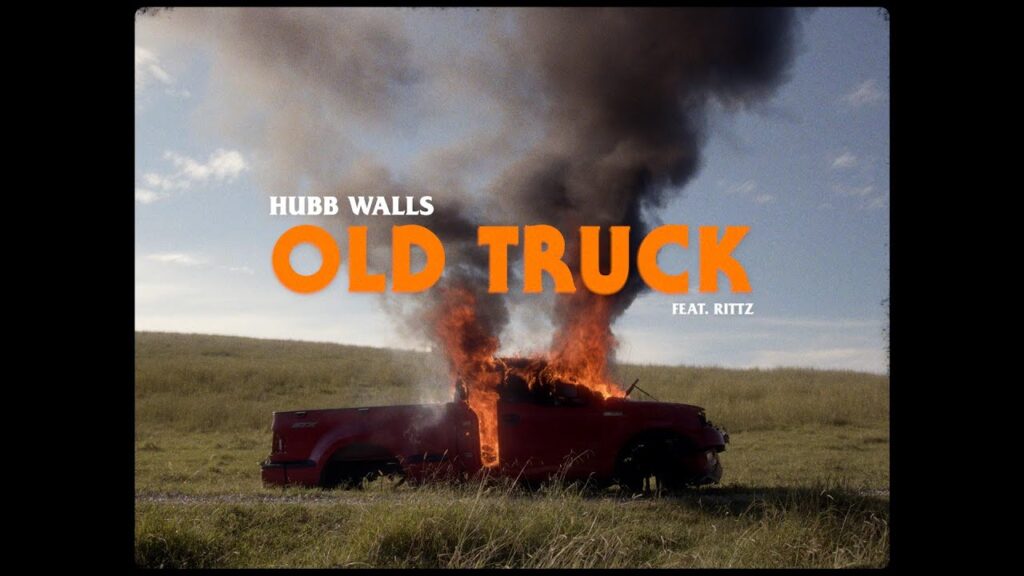
“Old Truck” ain’t just a ride down memory lane — it’s a full-blown outlaw rap-country confession, driven by regret, rebirth, and the kind of real talk most folks are too scared to put in a chorus. Hubb Walls and Rittz come together like oil and gasoline, and what they burn through is their past — with honesty sharp enough to cut through chrome. The beat’s dark and smoky — a slow-rolling blend of hip-hop weight and Southern rock backbone. Acoustic guitar sets the mood, but the trap hi-hats and looming bassline let you know this ain’t your uncle’s pickup ballad. It’s more cinematic than twangy, but the attitude is pure outlaw. Hubb opens the track like a man walking back into the house he set on fire. His delivery is half spoken, half sung — full of bruises and second chances. You can hear the years on his voice, and the years he lost. He’s not posturing. He’s testifying. “This old truck seen more hell than I’ll admit / But it’s still running — guess I am too.” That ain’t poetry for show. That’s therapy with a beat behind it. Then Rittz slides in — slick, fast, and surgical. His verse is a straight-up clinic in vulnerability through velocity. He doesn’t slow down for sympathy. He unloads. Talking about addiction, failure, family — all in that signature double-time that makes you feel like he’s got a hundred more truths he’s still holding back. But where a lot of country-rap collabs sound like label mashups or algorithm bait, this one’s got something real holding it together: pain. And more importantly — growth. This song isn’t about being hard. It’s about being honest. The hook brings it home with a chant-like simplicity: “That old truck still runs, and so do I.” That’s the whole story, right there. It’s survival in motion. There’s no shiny chorus. No big radio moment. Just two men trying to figure out how they’re still breathing after everything that should’ve broke them. It’s dirty, it’s raw, and it feels like it was made for those long-ass nights when you’re alone, staring at the ceiling, and wondering why you made it when so many others didn’t. “Old Truck” ain’t trying to fit in — it’s riding its own damn lane. Slow. Scratched-up. Still moving.
Nappy Roots – “Po’ Folks”
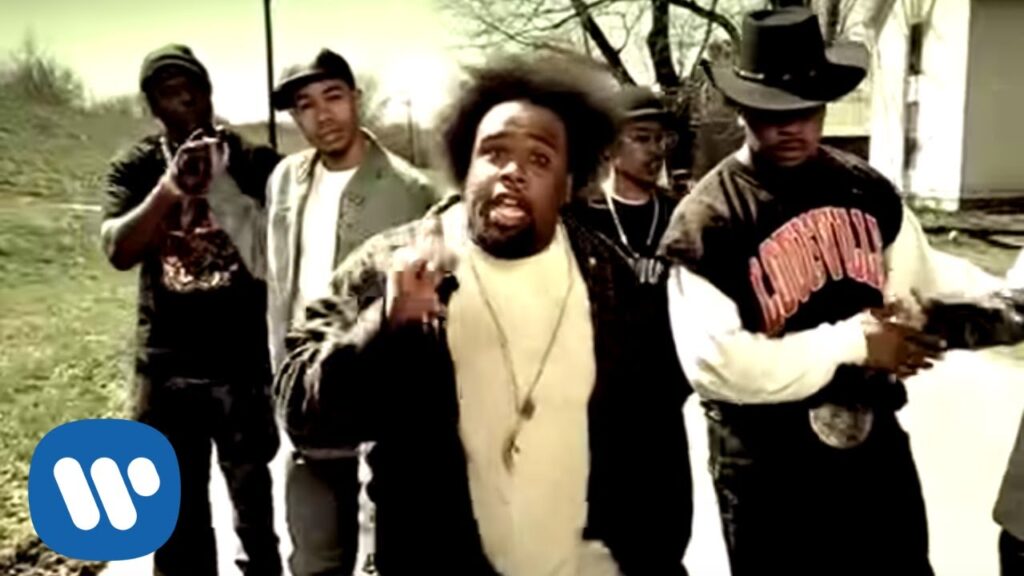
“Po’ Folks” ain’t just a song — it’s a testimony. A Southern-fried anthem that balances pride and pain like a plate of cornbread and sorrow. When Nappy Roots dropped this track back in 2002, they didn’t just speak for themselves — they spoke for damn near everybody who grew up broke but never bowed. And even today, that message still hits like a plate thrown across a tiny kitchen table. The beat is slow, smooth, and laced with soul. Acoustic guitar loops over a boom-bap foundation, while the hook — sung with gospel-weighted emotion by Anthony Hamilton — wraps it all in something holy. It’s not flashy. It’s truthful. It sounds like it was cooked up on a back porch with a busted speaker and a busted heart. Lyrically, this track might be one of the most honest portraits of rural poverty ever put on wax. No dramatics. No sugarcoating. Just real-life moments painted in vivid, unglamorous detail. “All my life, been po’ but it really don’t matter no more” — that line doesn’t come from defeat. It comes from defiance. From resilience. It’s saying: we may not have much, but what we do have, we own. Each verse tells a different side of the same story: families making do with what they’ve got, laughter stretching further than paychecks, and love holding it all together with threadbare seams. You don’t hear metaphors here. You hear memories. What makes “Po’ Folks” outlaw isn’t the style — it’s the spirit. It’s country at heart, even if it comes wrapped in hip-hop. It shares DNA with every Willie Nelson dust-bowl story, every Tyler Childers coal town hymn. It’s about the working class, the overlooked, the ones the radio doesn’t sell beer commercials to. And that chorus? Lord, that chorus. Anthony Hamilton doesn’t sing it — he wails it. Like he’s reaching out to every porchlight flickering on a quiet road, reminding folks they ain’t alone. It’s a spiritual, a lullaby, and a prayer all wrapped into one. Even two decades later, “Po’ Folks” holds up. Hell, it might hit even harder now. Because the struggle never went away. It just changed its face. And songs like this are the mirror — and the medicine. Nappy Roots didn’t try to sound rich. They sounded real. And in a world that keeps trying to sell you a lie, that’s more outlaw than ever.